
I’m Running 2 of Convertkit’s Most-Recommended Newsletters — Here’s Everything I Learned
Use free recommendations to grow your newsletter faster.
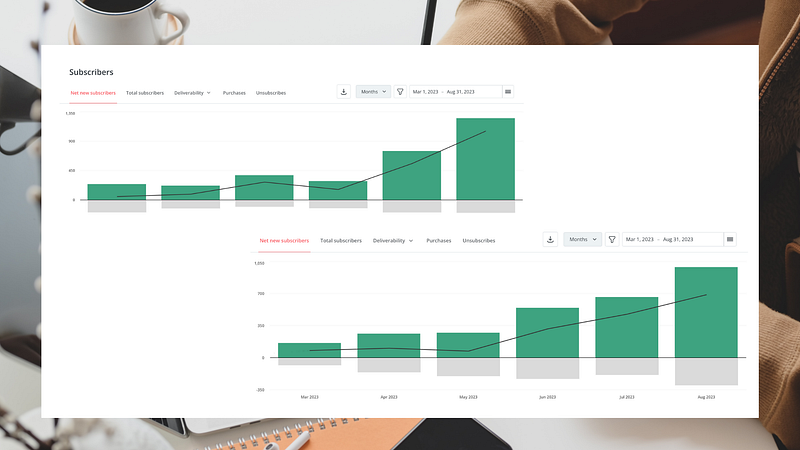
Over the last three months, my newsletters have grown 30% faster thanks to free recommendations through Convertkit’s Creator Network:
This article is for you if you’re:
- Running a newsletter and looking to consistently add (more) new subscribers to your list without working harder.
- Enjoying collaborating with other creators, or at least want to give it a try.
- Hesitant about using free recommendations and want to learn if it's an interesting opportunity and not just a fad.
I started my first email list in 2018 and have been fascinated by email marketing ever since. While I was only creating content on the side back then, I decided to go all-in on my career as a writer in 2020. Within weeks, I started two new newsletters for two separate audiences:
- I started the Personal Growth Letter to help ambitious and curious individuals become their best selves.
- And launched Write • Build • Scale to help new writers grow their audience and income online.
Over the next three years, my newsletters have grown into my biggest assets.
I'm a writer with a passion for digital marketing, but at my core, I like to keep things simple.
I avoid most social media platforms.
I don't run paid ads.
And I don't work more than 30 hours per week.
Here's what I do instead:
- I write long-form content on Medium.
- I use a call to action at the bottom of my articles to encourage readers to join my email list, which I run using Convertkit.
- I run promotions for my paid offers 2–3 times per year. The rest of my time is spent creating content, growing my audience, and serving them to build trust and credibility.
Based on this model, there are only three things I can do to grow my business:
- Writing content that's discovered by new readers.
- Convincing those readers to subscribe to my newsletter.
- Sending relevant and engaging emails my subscribers will enjoy.
If I have more readers, more newsletter subscribers, or higher conversion rates during my launches, my business grows.
As a small business owner, you don't have the capacity to improve all areas of your business at once. You take baby steps and focus on one small aspect at a time.
One question I've been asking myself for the past year was how to grow my newsletter faster.
I went from zero to my first 10,000 subscribers within ten months, but I realized there was a much bigger potential that I was not tapping into yet.
I knew I had three main options to gain more new email subscribers:
- I could publish more content on the platforms I already use (In my case, on Medium.)
- I could start using new platforms like Linkedin or Twitter/X, which I didn't want to do because I'm not a fan of short-form content.
- Or I could pay to grow my list through advertising.
These were all the options I (thought) I had.
Luckily, the landscape changed in 2023 as several newsletter tools started to offer (free) recommendation features to help creators reach new audiences through collaborations.
When Convertkit announced the launch of the Creator Network, I didn't have high expectations. I thought it'd be one more of those tools that sound incredibly exciting, only to prove to be a fad within weeks.
But I was wrong.
Over the last three months, the Creator Network helped me:
- Gain 30% more new subscribers each month.
- Connect with amazing, like-minded creators.
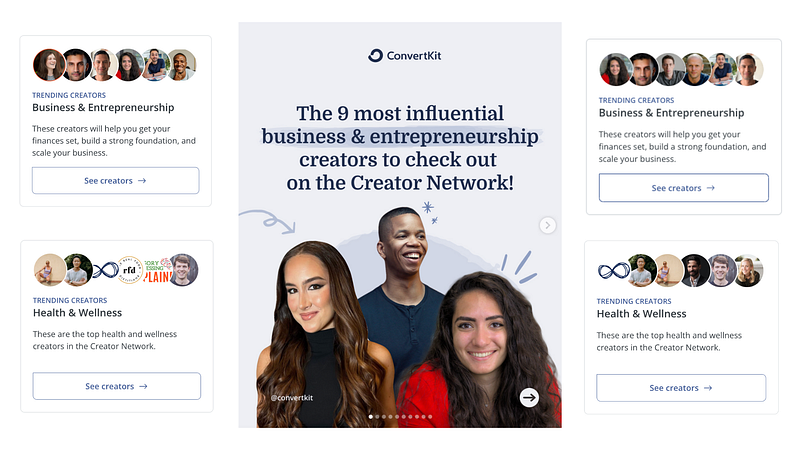
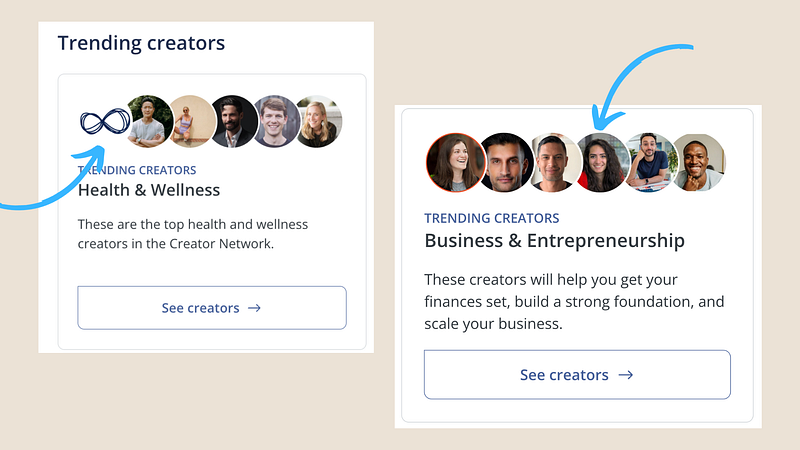
- And be featured as one of Convertkit's most influential creators alongside brilliant minds with audiences much larger than mine, like Tim Ferriss, Sahil Bloom, Ali Abdaal, James Clear, and many more:
How Does It Work?
The Convertkit Creator Network is based on a pool of cross-recommendations creators make for each other's newsletters.
When you participate in the program, you recommend newsletters from other creators.
Once everything’s set up, your new subscribers will see a popup after subscribing to your newsletter:
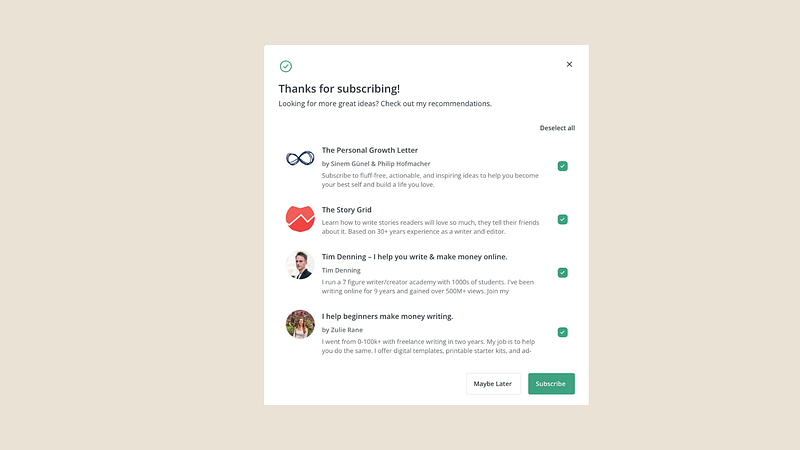
At this time, the reader has already signed up for your email list. When they see the popup, they can additionally sign up for other newsletters recommended by you.
Getting Started
The most important thing to know about free recommendations is that you convince (or lose) potential subscribers within seconds.
A new subscriber will see the popup, read the description, and immediately decide whether they want to subscribe. You only have a limited amount of time and an equally limited number of characters to convince potential readers to sign up.
These are the previews of my newsletters (we’ll get to how to create yours in a minute):
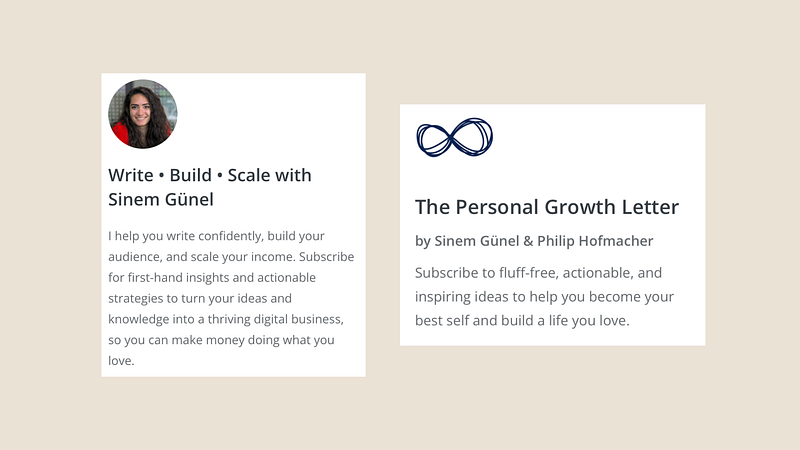
There are four main components to optimize:
- A profile picture
- The headline/name of your newsletter
- Your name (this is not a must-have)
- A description/pitch of your newsletter
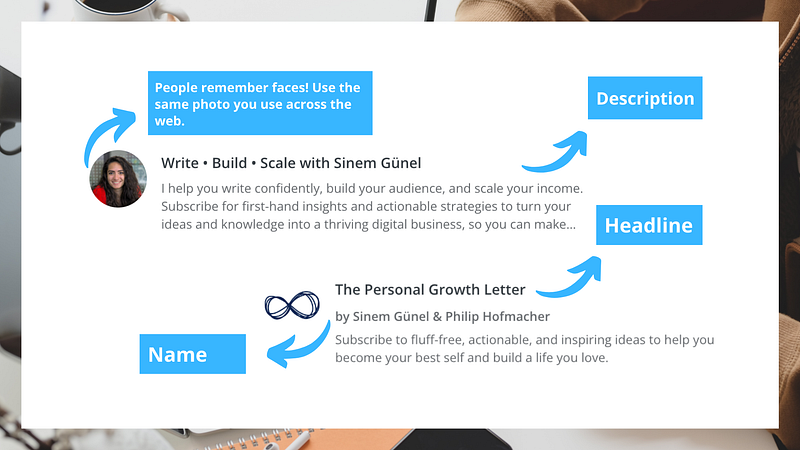
Let's take a closer look at each of these components:
Picture
You want to use a clear, compelling, and recognizable photo of yourself or your logo.
Ideally, this is the profile photo you use across most social platforms.
The headline/name of your newsletter
The default headline for your profile is "Hi, I'm [YOUR NAME]."
As soon as you join the Creator Network, you want to update this to clearly tell your potential subscribers what your newsletter is called or what it's all about.
If you haven’t pinned down the ideal name of your newsletter yet, come up with a placeholder for now.
Don't overcomplicate it, you can change the name at any time. Focus on getting your profile up and running.
If you have absolutely no idea, you can steal this brilliant approach of my friend Zulie Rane:
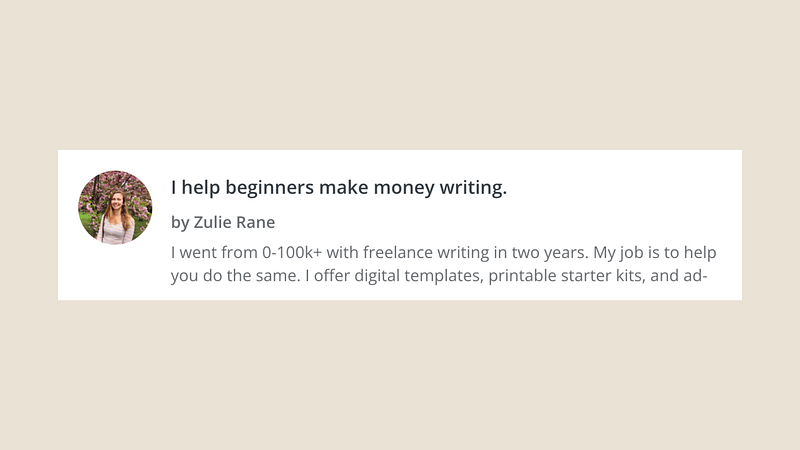
Instead of coming up with a name for her newsletter, Zulie used the space to communicate what she does for her readers.
Name
Think of this as a subtitle. Most creators add their names to this line. I do it that way for the Personal Growth Letter, but I left it out for Write • Build • Scale because I put my name in the title. Whether you want to use this line is up to you, but I'll share a few best practices and examples in a minute.
Description
The description of your newsletter is your last chance to convince a reader to subscribe.
Here, you want to communicate what your potential new subscribers can expect from your newsletter and why they should care.
You can include:
- What your newsletter is all about
- What kind of content you typically share (long-form writing, links to external resources,..)
- Why it's relevant for your (target) audience
- How many emails they can expect
- Social proof (your background, number of subscribers,..)
Don't forget that your space is (very) limited.
You have about 135 characters on desktop and 85 characters on mobile devices. So you really want to cut the fluff and focus on convincing the reader to give your newsletter a try.
Here are three great examples of how to use your limited space effectively:
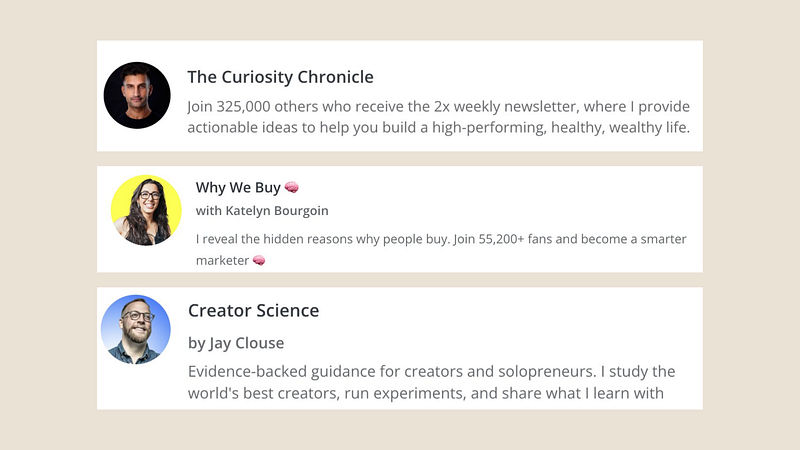
For more inspiration and best practices, check out Convertkit's official Creator Network directory.
There's also a Discover page where you can look for different creator types in specific niches.
Set Up Your Creator Profile
The profile you use for the Creator Network is linked to your Creator Profile.
Think of this as a promo page for your newsletter with a feed full of examples of your emails:
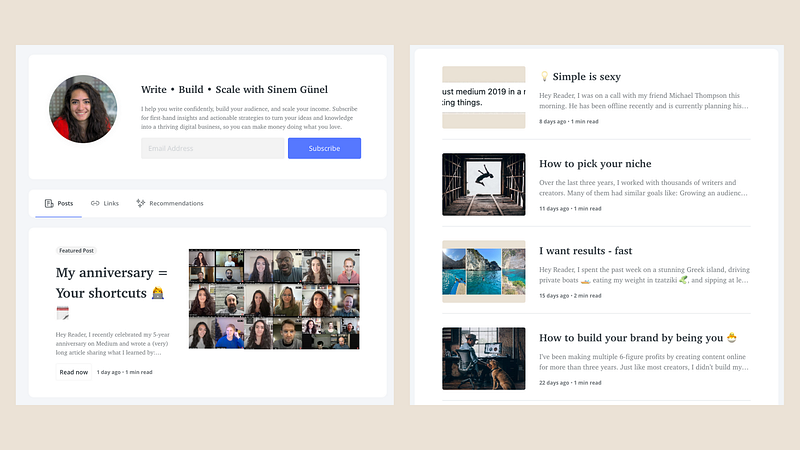
When you want to set up or change the description, name, or profile photo of your Creator Network account, you do so through the Creator Profile settings.
What Most Creators Get Wrong About Free Recommendations
While newsletter recommendations are a massive opportunity, most creators have false expectations about what these programs can do for them.
There are two main problems that are rarely discussed:
1. You can only grow your email list with free recommendations if you're growing it *without* them.
Here's what I mean by that: The way these programs are built, they rely on mutually beneficial collaborations.
Usually, someone will only recommend your newsletter because you're recommending theirs too.
If you're a brand-new creator with no audience, authority, or network, it'll be tough to benefit from recommendations since there won't be a high incentive for anyone to recommend your newsletter.
If your list is not growing without recommendations, it'll be hard to recommend other creators' newsletters, so the question is: What else are you bringing to the table? Why should someone recommend your newsletter if you can't promise to send a similar number of new subscribers to their newsletter?
Even though free recommendations are a brilliant way to grow your list, the ripple effect is largest for creators who are already experiencing significant list growth without recommendations.
Think of it this way: If nobody is subscribing to your email list, you won't be able to recommend other newsletters (because the popup only shows up once someone has subscribed to your list).
And if you can’t return the favor, it'll be hard to work out mutually beneficial collaborations in the long run.
If your list is growing slowly, you'll want to collaborate with creators at similar stages, so you can find common ground and support each other. It's unrealistic to expect someone to send you 100 new subscribers if you can barely send them 10.
Finding the right partners is a huge part of the whole game.
2. Not all subscribers are equally valuable.
The second challenge of free recommendations that most people don't talk about is the quality of your new subscribers.
Here's what I mean: Most of my email subscribers join my newsletter after consuming my content. They usually read my articles on Medium, enjoy my writing, and subscribe to my newsletter through the call to action at the bottom of my content.
Through that journey, there's already an established relationship by the time someone receives my first email. They've already read and enjoyed my content — that's why they signed up for more.
With referred subscribers, the journey looks different.
When someone signs up for your newsletter through a referral popup, they usually don't know who you are. And worse, they don't know if they like you or not. They only have a loose expectation based on your newsletter title and description.
That's why it's crucial your description is clear and correct — you don't want more subscribers who eventually aren’t a fit for your content.
A large email list is worthless if your subscribers don't care about your emails.
Even with referred subscribers, you want to focus on quality over quantity because you want to send emails to readers who are excited about receiving them.
That's why you don't want to collaborate with just anyone but rather with creators who have access to a relevant audience.
So the next question is.. 👇
How Do You Find Partners to Collaborate With on Converkit’s Creator Network?
There are several ways to find partners for free recommendation collaborations. Which options you'll use will depend on where you're at in your creator journey and which existing relationships you already have.
Let's go from the least time-consuming to the more difficult ways to find your partners:
1. Ask your existing network
Easy peasy and very effective: Ask your creator friends and existing audience if they want to collaborate.
One of my first partners was my friend Tim Denning, who reached out soon after the program was launched:
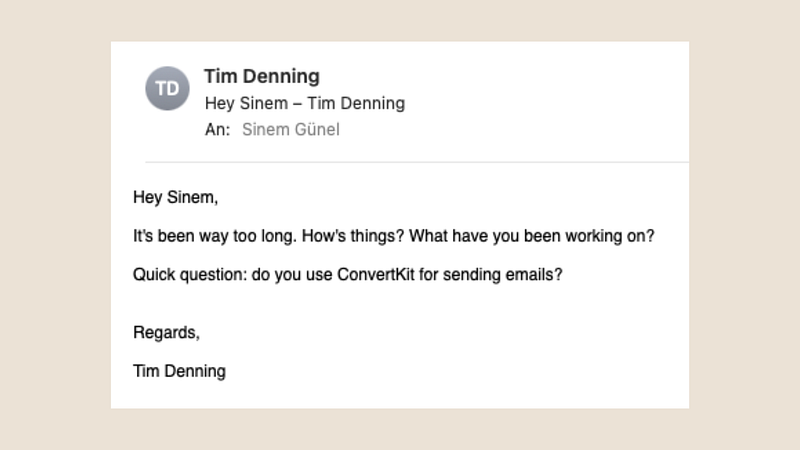
I've known Tim for years and I know there's a synergy between his audience and mine, so it was a no-brainer to recommend each other's newsletters.
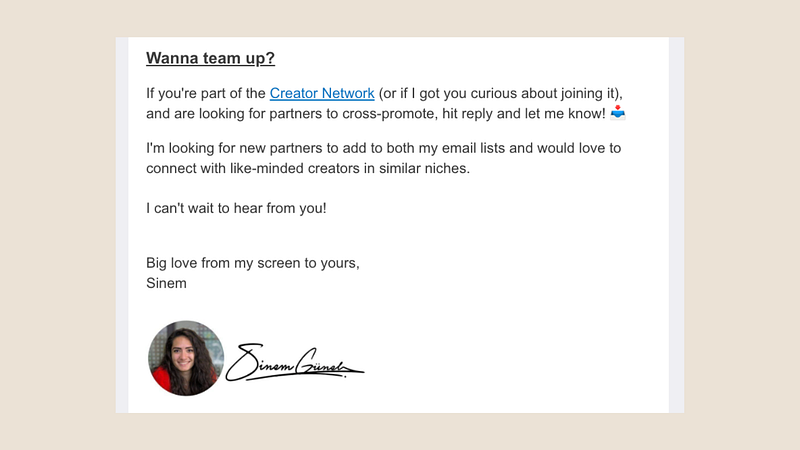
I also knew that lots of creators who are subscribed to my Write • Build • Scale newsletter have their own email lists, so I used a short call to action at the bottom of an email to announce I was looking for partners:
It didn't take long for my former student, now friend Corrie Who Writes to let me know she started recommending Write • Build • Scale:
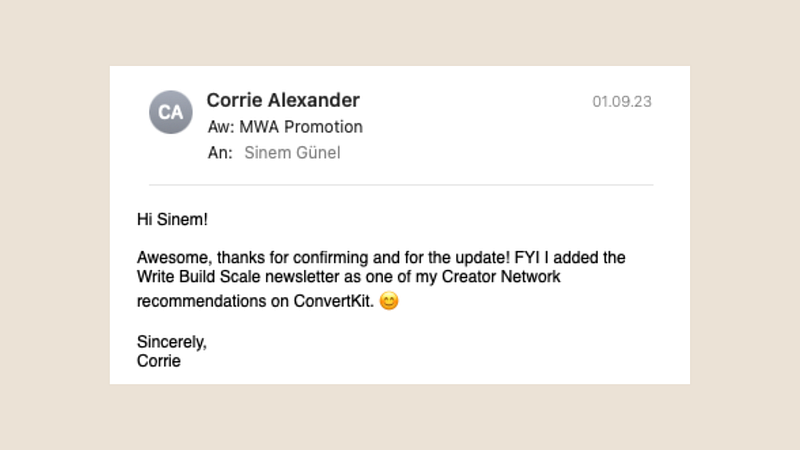
Since I knew there was an overlap in our content and audiences, I immediately recommended her back.
Making the first move is a great idea because the creator you're recommending automatically receives a notification email:
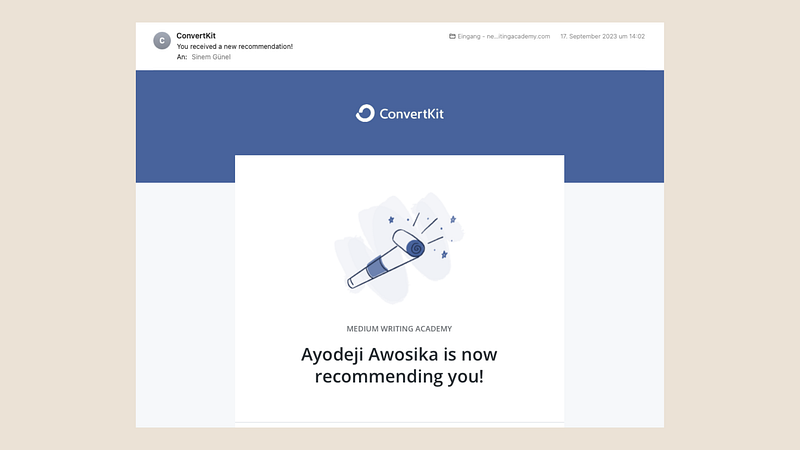
Of course, I'm tempted to check out who's recommending me and whether I want to recommend them back every time I receive these notifications.
2. Find partners who are actively looking for collaborations
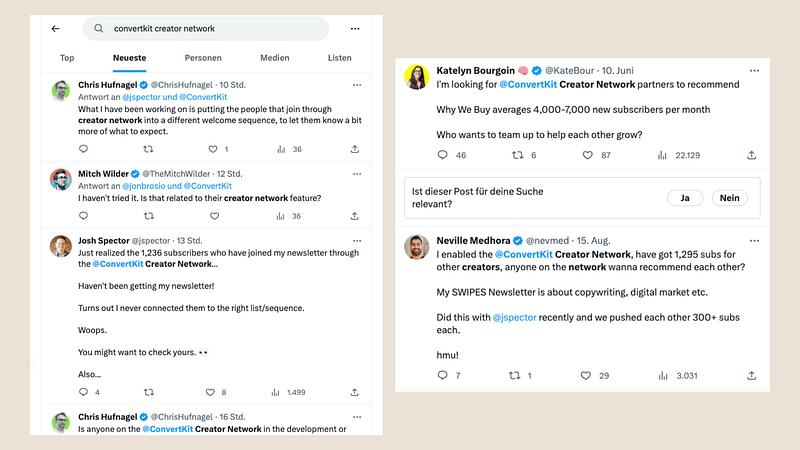
If you don't have an existing network yet, you can team up with creators who actively announce they're looking for partners.
I found Twitter to be the most effective platform for these conversations:
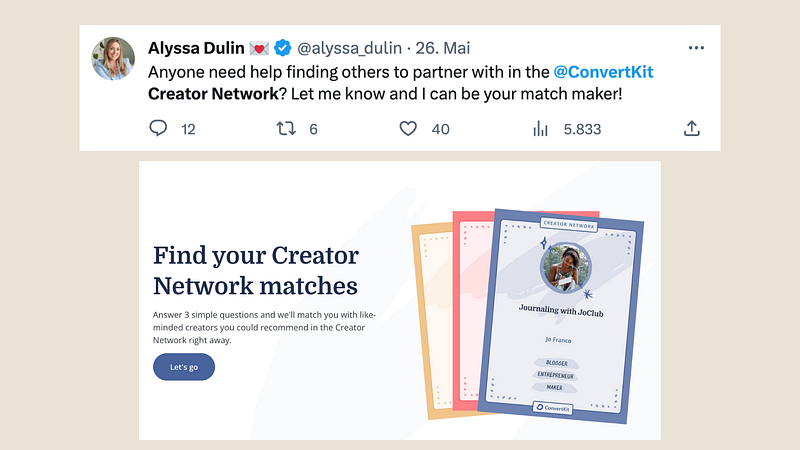
Another way to find partners is by making use of Convertkit's matchmaking tool or by getting in touch with the team:
3. Go the extra mile
If none of these options work (or you're looking for more partners), you can try this:
- Subscribe to different newsletters in your niche by finding them through the Discover page on Convertkit.
- Read at least 3–5 of their emails to understand what the creator does and how a potential partnership could be valuable for both of you.
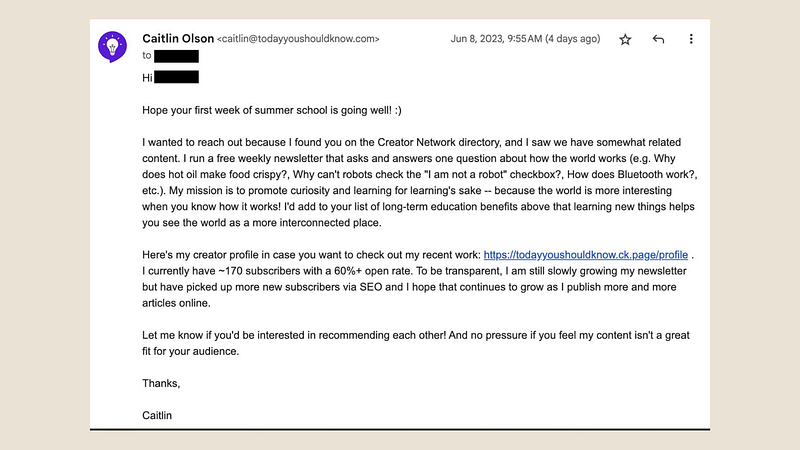
- When you feel ready, reply to one of their newsletters saying that you're interested in collaborating. Make sure this is a personal message and focus on how you think this could be a mutually beneficial partnership. If the creator you're reaching out to is more experienced or has a substantially larger audience, you might want to make additional suggestions on how you can create value for them.
Here's an example of a brilliant cold email by Caitlin Olson:
Whether you choose option #1, #2, or #3, the truth is, you won't come far without real connections.
The online world is loud and crowded, and the easiest way to get what you want is by building genuine relationships based on trust and mutual appreciation.
Treat New Subscribers Differently
The most overlooked aspect of growing your email list through recommendations is that you have to welcome your subscribers differently.
As mentioned above, most of my readers subscribe because they discover and like my content.
That's not true for the thousands of subscribers who receive my newsletter thanks to other creator's recommendations.
While all my new subscribers receive welcome and onboarding emails, I send different content to referred subscribers.
I created a separate automation and email sequence specifically for my referred subscribers who might not know me yet:
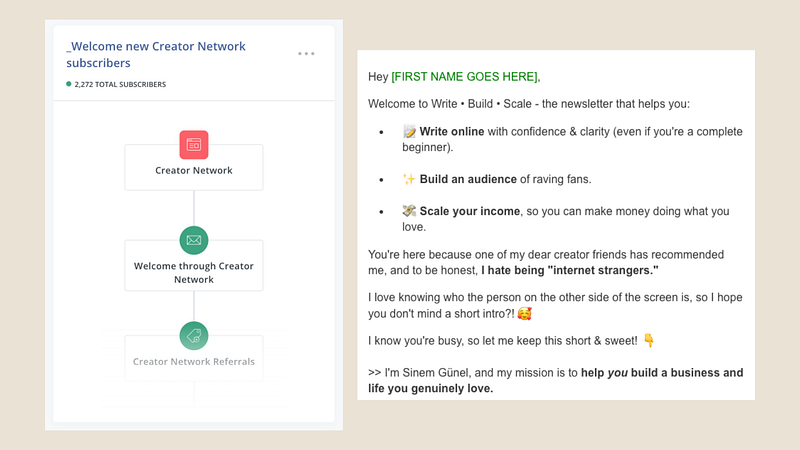
The main purpose of this sequence is to ensure subscribers quickly see if they'll benefit from my content and if they want to stay subscribed.
If my welcome email doesn't resonate with someone, they'll likely unsubscribe right away, and that's great.
Remember: You don't want more subscribers. You want quality subscribers.
Another purpose of these welcome emails is to segment my new subscribers. As part of those emails, I share links to free resources.
Tracking link clicks and tagging my subscribers helps me better understand what a new reader is looking for and how I can create the best possible value for them in the long run.
What If I'm Not Using Convertkit?
I've been a happy Convertkit user for over three years, and the Creator Network is just a cherry on top, but you can also use free recommendations with many other email service providers.
Substack, for instance, introduced a recommendation feature back in 2022.
The same is true for Beehiiv's native recommendation tool.
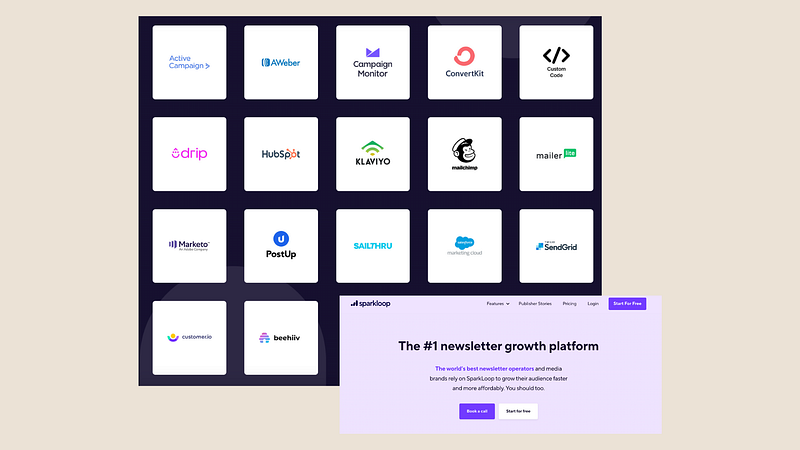
If you're not using Convertkit, Substack, or Beehiiv, you might be able to use Sparkloop's Upscribe feature to use free recommendations to grow your newsletter since it works with most major email service providers:
Questions?
I know this is a lot of information, but since there aren't many comprehensive guides and case studies about the Creator Network yet, I hope you find this one useful.
If you have any questions, feel free to drop a comment, and I'll get back to you as soon as possible.
✨ Grab my 15 Favorite Writing Tips to immediately write better content.


