
I’m Good At Hobbies But Not At Working
Why my autistic self thrives on hobbies
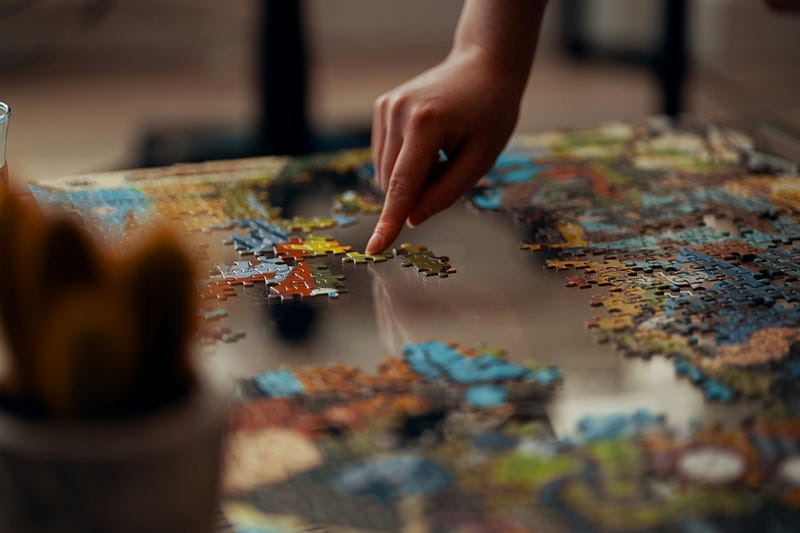
As someone who lived most of their life without knowing I was autistic, I commonly sought solace in hobbies when I felt too different or lonely. Creating and maintaining friendships was a near-impossible feat. Through solitary hobbies, I got to know the deepest parts of myself.
They weren’t just something to kill time but a balm for my neurodivergent soul when I needed it most.
As I’ve grown older, the importance of hobbies has become clear to me. Where I faced constant barriers to obtaining work, many hobbies I picked up had little, if any, barrier to entry. They were there for the taking — an instant boost of joy and fulfillment.
In the capitalist system we’re all forced to live under, hobbies are a radical tool of self-preservation, especially for neurodivergent people who otherwise would have nowhere else to thrive.
Motivation, Motivation, All of it Gone
People under the neurodivergent umbrella tend to be intrinsically motivated, whereas neurotypical people tend to be motivated by external factors. This means that moving up the career ladder, hitting certain milestones, and gaining social acceptance amongst peers may motivate neurotypical people to work hard at their jobs, but that’s not the case for neurodivergent people like me.
Our motivation comes from the self, not others. We feel more satisfaction in getting the work done efficiently than in receiving accolades for having done so. The feeling I get from crossing the finish line, putting the final piece into a 2000+ piece puzzle, or polishing off a painting keeps me going.
No one can take away or benefit from the hard work put into my hobbies — the pride is all mine to relish in.
I’m Still a Hard Worker
There’s nothing wrong with putting in long hours at a job you’re passionate about if that’s what makes you happy. That being said, there are other ways to be a hard worker. I put 100% into anything I do, but my paid work will never be my first priority. As I said, money is a necessity, not a motivator.
I value honing my writing craft, but the fact that my income depends on writing for an audience changes the nature of my writing. I’m not built to push out content constantly, which affects my earnings.
When it comes to hobbies, the pressure to work hard for the sake of making more money is non-existent.
I could easily spend all day at my desk working on a puzzle. I will forgo food, hydration, bathroom breaks, and sunlight because I am so fixated on my work. The second I came home from my 5K the other day, I signed up for a 10K in April. I love my hobbies so much that I can work a little too hard on them. Despite the potential for toxicity, I deeply enjoy my hobbies. Challenging myself through them allows for self-growth, reflection, and joy that I don’t usually feel when working for a job.
Hobbies Are Anti-Capitalist
At the beginning of the pandemic, many of us turned to hobbies to cope, potentially for the first time. We realized how little of an identity we had outside of our work — an intentional machination of capitalism.
Capitalism deliberately keeps us at work or thinking about work, with no time or mental energy to devote to loved ones and ourselves. If you’re practically tied to a desk, you get used to the view.
In a world where we are constantly pressured to be productive every second (usually by making money or losing weight), hobbies are a way to reclaim our lives outside of working hours.
Sadly, not everyone has the financial means to swap overtime pay for a hobby (especially one that is not even a side hustle). Admittedly, I go without a lot so that I can engage in the hobbies that grease the mental wheels for working.
This is where Universal Basic Income would enable everyone to work only when they want to. The rest of the time belongs to them. Unfortunately, Universal Basic Income is unlikely ever to become an international reality.
What we can do is rail against the system in an individual way by taking back what little free time we have to engage in hobbies.
It doesn’t matter whether you’re good at your hobby, you make any money from it, or if you do it consistently. As somewhat of a hobby collector myself, I tend to go through hobby phases. After using up all of my cheap Himi gouache paint, I’ve been waiting for a chance to revisit oil painting. Because of the absurd price points for materials, however, that hasn’t been a financial possibility. Instead, I do puzzles and long-distance running, as well as watch a lot of Netflix. I’m no mountain climber, surfer, or cave diver (three hobbies I think are wicked cool), but my hobbies excite me, and that’s all that matters.
Protection From Burnout
Neurodivergent people are especially prone to burnout from living in a world that scarcely accommodates us. When we’re in the throes of horrendous burnout, hobbies are a doable way to climb back out of it. So often, hobbies have been a lighthouse when I’m drowning in burnout-y waters.
Burnout may be inevitable, but with the help of my hobbies, I can slowly come back to myself each time until I’m ready to start living again.
I spent much of my life feeling like a boring loser because I am content to stay home and engage in my hobbies over participating in the “real world.” It has taken me until adulthood to realize the necessity of doing so. This world was not designed for neurodivergent happiness, but I can steal some away through my hobbies.
It is so freeing to do what family members and other people in my childhood made fun of me for without any sense of shame. I’m doing what fulfills me while harming no one.
Want to stick it to capitalism? Hobbies are a great way to start. By doing so, you can take back your time and soul, one barely-together knitted scarf at a time.
If you liked this article, feel free to give me a clap (you can do so up to 50 times), comment, or follow! Thank you so much for reading and supporting my work.


