
Cause for hope
I’m Feeling Optimistic For The First Time In Ages — And I’m Not In Denial
Maybe we’re not heading for Hell in a handbasket — but we should probably get some handbaskets just in case.
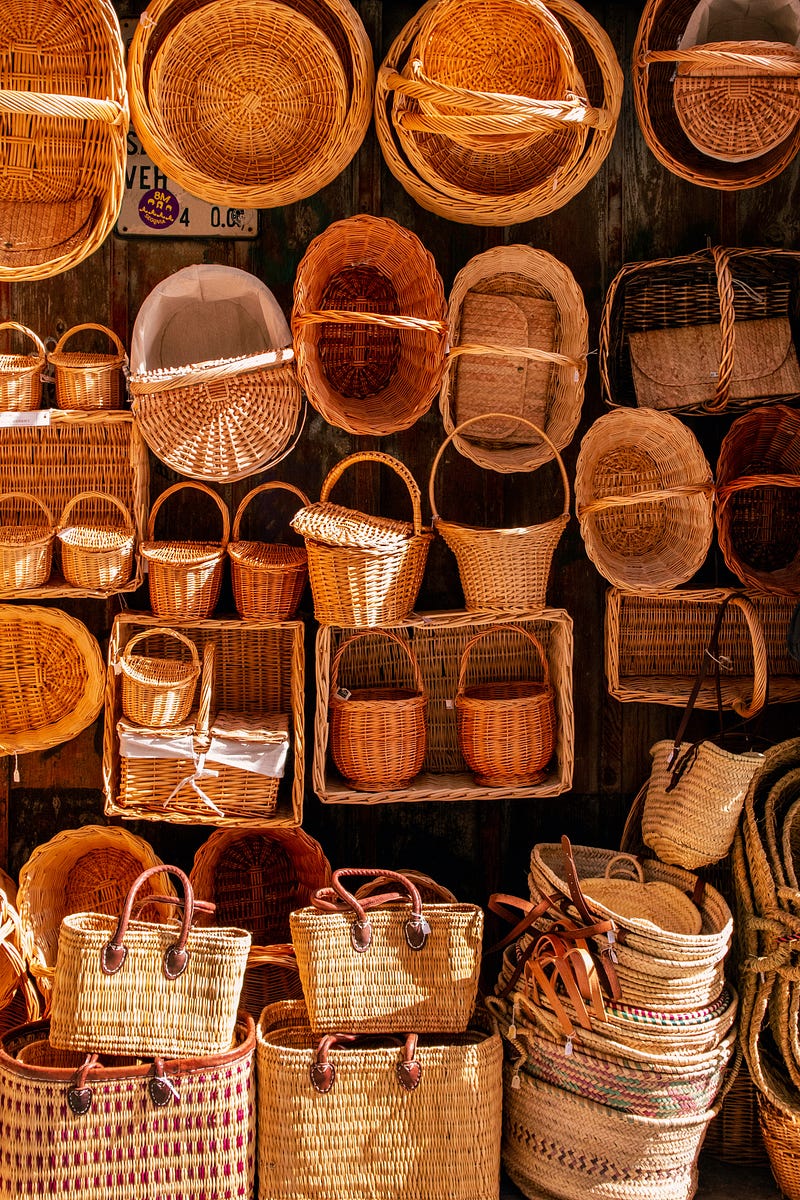
Everything is bad, it’s only going to get worse and we all need to prepare. That thought has been on a loop in my brain for a while now, and it’s exhausting and harmful. However, I don’t see any sense in avoiding reality. Yes, we’re looking at another world war, this time with more nukes at stake. Yes, we are destroying our planet. Yes, the pandemic is still going on and could spring back and bite us in the butt at any time, as has just happened in China. If you’ve been thinking, “What we need is a good handbasket,” you’re not alone. So don’t break out the guitar for a sing-along just yet.
However. I’ve been looking diligently for some kind of realistic good news that gives me some hope without resorting to denial. I’m not talking about the small happiness of a child’s birthday or a raise at work or the mastery of a new skill. I hope we all have a few of those from time to time. What I mean is some kind of hope that the whole damn world isn’t irretrievably going to hell in a handbasket, and here it is: Almost the entire world has united effectively against Russia.
Big corporations have pulled out of Russia, willingly losing money, which corporations don’t often do. Other nations, including many that are not in NATO, have joined in sanctions that also cause some pain to themselves. A very long list of countries is sending significant amounts of aid in the form of funds, weapons and humanitarian help. I very much doubt Putin ever imagined the world would unite against him in this way. We didn’t give much push-back when he swallowed Crimea. He must have thought this would work out much the same, but it has not. This proves that when the stakes are truly high, the world can unite and make a difference, and that gives me hope.
It was only two years ago that we also saw the world unite against a common enemy. During the initial Covid lockdowns, almost everyone pulled together. We all shared a moment. We very quickly figured out different ways to do things and changed lots of rules overnight. Turns out you can offer telehealth services. Turns out many jobs can be done remotely. Turns out you can quickly provide a temporary sort of universal income. We moved fast and we made big changes.
Remember the stories about smog lifting from cities? About air quality increasing? About wildlife rebounding? Lockdown lasted for such a short period, yet the effects were strong and convincing. This proves that when the stakes are truly high, the world can unite and make a difference, and that gives me hope.
I think almost everyone recognizes our current way of life is not sustainable. But we all have a tendency to throw up our hands and assume there’s nothing any of us can do. Even those of us who try very hard to have a small carbon footprint and to be the change we want to see in the world understand that it’s the system that needs to change. An individual can do so little alone.
But systems are made up of individuals. What can one person do? Ask the people of Ukraine. They’re not just wringing their hands. Ordinary people are risking their lives.
I strongly believe that making even small positive choices in my life do make a difference. Each time I decide not to buy the crappy plastic thing, or I choose to walk instead of drive, or I take the time to recycle something, I’m making a tiny difference that probably doesn’t matter. But I’m setting an example and helping to nudge the zeitgeist. I’m hardly an influencer, but all of us do influence people.
Years ago, a mother I knew said my choice to drive a small car, even though I had two small children at the time, convinced her she did not need to automatically purchase a minivan just because she was having a baby. She had gotten the idea that minivans are obligatory for families. They are not. I didn’t start a movement against gas guzzlers, but I influenced one family. Maybe my friend influenced another.
If we want systemic change, we have to be a part of it. We have to be the drop of water that joins the wave. Not everyone is going to attend marches or call their elected representatives or start organizations. But no systemic change will happen without millions of people wanting it to happen and demonstrating through word and deed that they’re ready for it — and for at least a few people to be willing to be the catalyst for change.
The world is full of examples of things that seemed like they’d never change and then changed very quickly. I’ve mentioned the fall of the Berlin Wall before. There are plenty of other examples. In my lifetime, attitudes about smoking have changed dramatically. When I was a kid, smokers took it for granted that they could smoke in non-smokers’ living rooms. Non-smokers would bring out an ashtray for their smoking friends. Now? Most smokers won’t even smoke in their own house. Look at LGBTQ rights. The idea of gay marriage was completely unthinkable for almost all of my life. Now it’s legal and not particularly controversial. Look at pot. People used to go to prison for having it and now it’s legal in much of the country. Look at racism and sexism — still a problem, but both have improved dramatically in my lifetime and more people are recognizing the need for change.
In each of these cases, a few brave people were the catalyst. They did things like join #metoo or dare to come out of the closet or decline to allow smoking in their home or openly declare that they favored legal marijuana. They risked their social standing or their careers or their family life sometimes. It didn’t go well for everyone. But in the end, real change happened.
These are all examples of things that were always seen one way and now are seen another way. And they all happened quickly. Everything is happening more quickly. Ideas spread fast. Be willing to own yours, even if you’re afraid it might not be popular. More people than you think might secretly agree, and when you say it out loud, they might be brave enough to do so, too.
So that’s why I’m starting to have a glimmer of hope. It’s possible that we might be able to see real change for the better in my lifetime. It won’t be easy — again, look at what it’s costing Ukraine to fight Putin, and look at the lesser costs the rest of the world is willing to face to support Ukraine. But it’s happening.
The very last thing I want to do is be a Pollyanna. I tend to be that pessimistic old crone in the corner who keeps muttering that we’re all going to hell. But realistically, we have shown that we are capable of moving fast when we really want to. That’s fortunate, because we have less time than we think to change things, and it’s already too late for some things.
Everything is bad, in the short term it’s going to get worse, and we all need to prepare. But we also need to know there’s hope.


