
Culture
I’m Fascinated By Netflix’s Indian Matchmaking
It was not what I expected
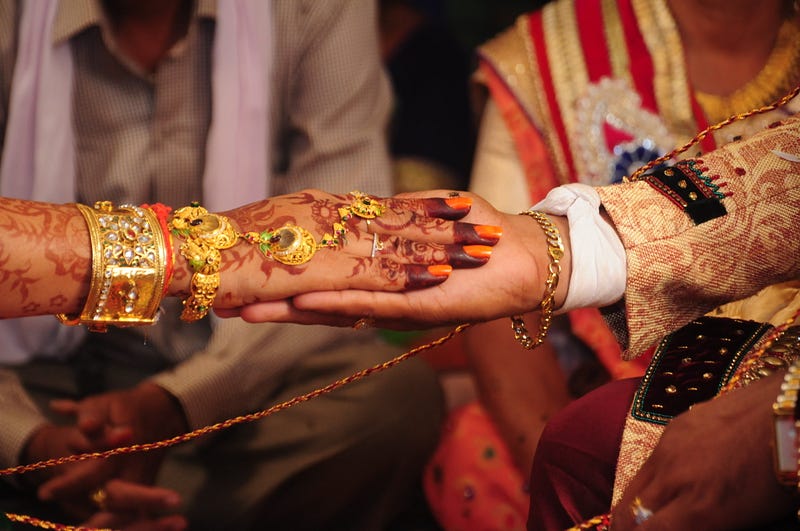
This is not a review. I don’t think I can review the program like I would review a movie. It’s real people, real life, I’m trying to learn from them, not judge them. But I’m a work in progress — and so are they. Take this as a commentary from a curious watcher instead.
Indian Matchmaking (IM) first aired on Netflix in July 2020. It was during Covid, so I had nothing but time. I watched the first episode, unsure of what I would find.
Indian Matchmaking was a window to a culture I don’t know very well, and that is too often represented through clichés in Western countries. There’s Bollywood, Indian food, arranged marriage, the Taj Mahal, and unfortunately some negative prejudices as well.
To me, it’s like talking about French culture by saying croissant, baguette, wine, and cheese. Sure, we do have those, but it’s a fragment of what France is. There’s also the typical accordion in every Hollywood movie to signify we are in France. Guys, we gave you Daft Punk and David Guetta. Get over yourself already!
Anyway.
I knew close to nothing about Indian culture and had a negative representation of arranged marriage. To me, it felt anti-feminist. It seemed the woman had no voice in the transaction. It may have been true before, and might still be true, but it’s nothing like what Netflix pictures.
Reality TV vs. Documentary
One easy mistake to make is to watch IM as a reality TV. It isn’t one. Yes, the people Sima meets are almost contestants, but they are also very real. They expose themselves, showing off vulnerability and failure. It’s hard to date in real life, I don’t want to know how it feels to go through it in front of millions of people.
Bravery vs. Stubbornness
One word that kept coming to me was how brave they were to ask for help and to be filmed through the process. Most of the people featured don’t look great down the line — not physically but mentally. They’re a bit shallow, full of themselves, and so stubborn.
They make a list of what they want and will reject others if they don’t fit all their criteria. Are they so great themselves that they can afford to be that picky? If you were such a catch, and so easygoing, you probably wouldn’t be on Netflix right now.
Don’t get me wrong, it’s okay to want the best. Don’t we all want it? However, no one is perfect, nor is any relationship. It’s not always what you bring to the table, but what you do with what’s on the table. How you work at it. How you open, and how willing you are to explore someone else’s world.
You might be the greatest, but if you are not willing to get out of your comfort zone and get to know someone through trial and error, you’ll remain alone for a bit longer.
Marriage vs. Dating
A common thread was how they all came in saying they want to get married and have families. They ask the help of Sima, the matchmaker, to find them a partner that will be a good match. Not a perfect match. Not a soulmate either.
Sima is in the marriage business, not the love business. It’s vital to remember. When you go to her, it’s to get married to someone you see potential in. She is not a dating agency.
It’s the part that bothers me. Most of them looked like they were more into dating and finding “the one” than finding a spouse. Then, why go to Sima?
She is upfront with them, too: you’ll never get 100% of what you are looking for, but if you find 60 to 70%, maybe it’s good enough.
Don’t fall for someone’s looks, hold on to something deeper. Qualities, goals. Find a friend before you find a lover.
Success vs. Learning
After watching the two seasons, it feels that Sima doesn’t have the most amazing success rate. She works hard and tries to talk some sense into her clients, but we didn’t see marriages happen because of her.
In my opinion, it is linked to the clients more than her. They are looking for a modern marriage while going through a more “traditional” way. They can’t have both. Even the couples’ interviews at the beginning of each episode highlight the fact that it’s not about love at first sight.
Did they really understand what they were going after?
Arranged Marriage vs. Me
I came in expecting the worst. Very silent girls sitting on a couch, looking scared, while their families are getting to know other families and potential husbands. I thought it was going to be very traditional and close to the depiction we can sometimes have of India.
Yes, clichés and prejudices, which is a shame.
I was so pleased to be wrong — at least somewhat. The women going to Sima are all from the United States. The clients we meet in India are all men. It does say something about how, in one culture, there are differences.
There were a few talks about girls from India versus girls that were raised in the United States. It was clear that the girls from India were portrayed as a bit more family-oriented, deeply rooted in their culture, and more “traditional”. I don’t know if it’s close to the truth or just the Netflix edit.
However, nothing felt forced. I wasn’t feeling sorry for anyone. On the contrary, I was so happy when someone looked like they found a great match. I was rooting for all of them, and I wish them all nothing but happiness (through marriage or not).
Representation matters, and how matters even more
I enjoyed the two seasons. I enjoyed watching real people make mistakes and be relatable. I could see them say things they shouldn’t, and see where they needed to grow. Some were blatantly unready for marriage while it feels like others were just looking for the wrong things.
But as much as I enjoyed it, I don’t think it sheds such a positive light on arranged marriages. Again, not many successes and a lot of clients picking on one another for shallow reasons. They all want a spark but they are not willing to fuel the fire for a while and see where it goes.
Representation matters. It’s so important to show diversity, explore different cultures and help bring awareness against old clichés. I’m grateful I watched the show. I feel I learned a lot, and I’m curious to know more about Indian culture and educate myself further.
But I’m not so sure it was a great representation. Sima’s clients talk as much about other people’s looks as they talk about themselves being great. We see them reject each other, not listen to Sima, get heartbroken, and not be as open-minded as they could be.
I know it’s Netflix, they need a little drama to make it work, but I wish we witnessed more people being open to meeting someone beyond “the spark” and the chemistry. Maybe next season?
The one thing I learned is that Netflix is obsessed with marriages lately and that they had a lot of Nick Jonas and Priyanka Chopra jokes.
If you want to keep exploring Indian portrayal, you can try out Never Have I Ever. It’s targeted toward a younger audience (teenagers and young adults) but I’ve been enjoying the third season. It’s a good show, funny, with great music, and good actors.
You can receive my articles directly in your emails (I promise it’s not a trap). You can also join Medium for $5 a month (this is an affiliate link).


