
I’m Being Dis-Abled. I’m not Disabled
A view of autism as something other than a disability.
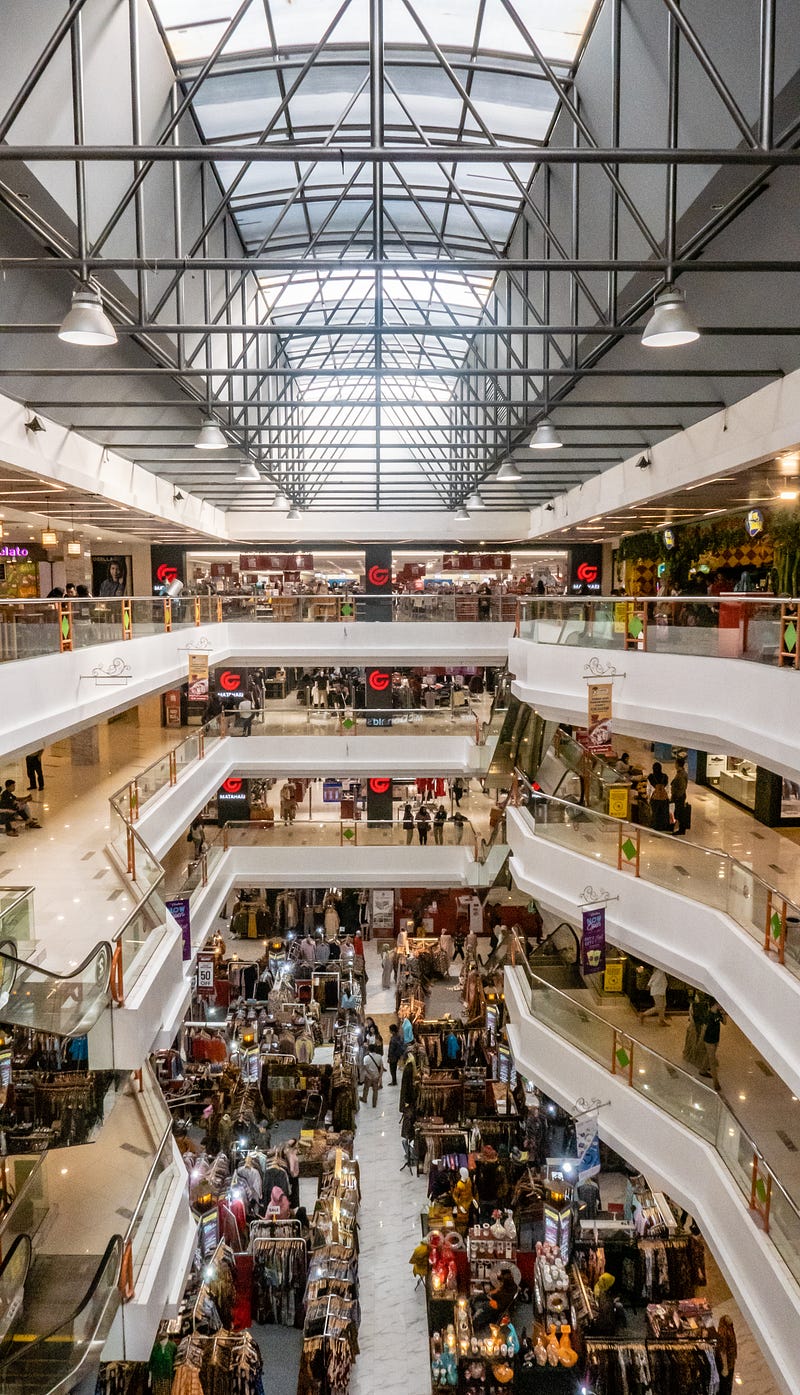
Am I the only one getting dizzy from looking at the picture?
Dis-abled. Disabled.
What’s the difference? Well, the first one is a verb and is something that is being done to us. We are actively being disabled; usually by the environment we’re in.
The second is an adjective and is defined as, “(of a person) having a physical or mental condition that limits movements, senses, or activities.”
In short, one describes who a person is, while the other talks about what is being done to a person.
I don’t know about you, but I have autism and I’m not disabled.
I often find myself being dis-abled, but that doesn’t mean I am disabled.
Let me give you an example.
Think of a shopping mall.
It’s crowded.
It’s noisy.
Traffic flows in random patterns.
Malls are brightly lit.
When I used to go to shopping malls I would always be panicky, and felt like I didn’t understand what was going on. The environment of the mall — all the sensory issues I just mentioned — are disabling us. We are actively being disabled by an environment that doesn’t mesh with our brains and who we are as people.
Now, if I were to enter a shopping mall that was dimly lit with traffic patterns that make sense, fewer people and noise at a comfortable level — Well, I’d still be autistic, but I wouldn't be disabled by the environment.
Does that make sense to you? I can give you a real life example of being disabled by my environment.
The day was December 12, 2021. My Las Vegas Raiders were playing in Kansas City against their rivals, the Chiefs. Four years ago I moved from Southern California to the Missouri Ozarks, three hours from K.C.
I moved into the heart of enemy territory, but I still wear silver and black with something kind of resembling pride. It’s been a tough year for the team, so I’m not at full Pride level right now.
My daughter and her husband bought me a ticket to go with them to the game, which sounds cool on the surface. My daughter did a nice thing for me. The only part is I was putting myself into Mall to the hundredth power.
The quarter mile walk in a crowded tunnel was the first highlight of my panic attack +++ day. I emerged from the tunnel and immediately breathed in real air. While dodging colorful yet poorly thought-out barbs, we started up the very long, crowded ramp. All the way to the top row in our section.
Did I mention that I have a thing with heights? Because I do.
Climbing to row 40 I got dizzy anytime I looked even straight ahead, so I kept my head down and knew I was at the row when there was nowhere left to walk.
What does being in that environment for a few hours due to someone on the spectrum? I went back to the hotel, grabbed my stuff and hauled my ass home. As I walked through the front door I wanted to fall to the ground and cry. I was in a safe environment where I wouldn’t have to endure any more panic.
But I didn’t fall down and cry. Instead I went straight to bed and woke up 16 hours later. That’s the kind of toll that being in disabling environments takes on us. The day I spoke in front of 1,500 disability advocates in the Missouri State Capitol, I slept 14 hours.
I knew exactly what I was walking into. The panic attack was a little more severe than I thought, but I knew what was going to happen
Admittedly, I put myself in the K.C. situation, but that was the first birthday gift I’ve gotten from her in 7 years, so I didn’t want to disappoint her. The fact that I went goes to show you the lengths some of us with autism will go to for the people we love.
If you’re the loved one of an autistic person who puts themselves in disabling situations, please remember to tell them how much you appreciate the act. It will mean more than you know.
This is just one of the reasons I advocate for those of us with autism. We deserve the opportunity to have environments where were comfortable. People need to understand that what’s good for one (Neurotypicals) isn’t always good for the other (Neurodivergent).
When you’re in situations cause you discomfort, remember that there’s nothing wrong with you. You’re NOT a poorly formed Neurotypical, you’re a perfectly created autistic person.
© Not Weird, Just Autistic
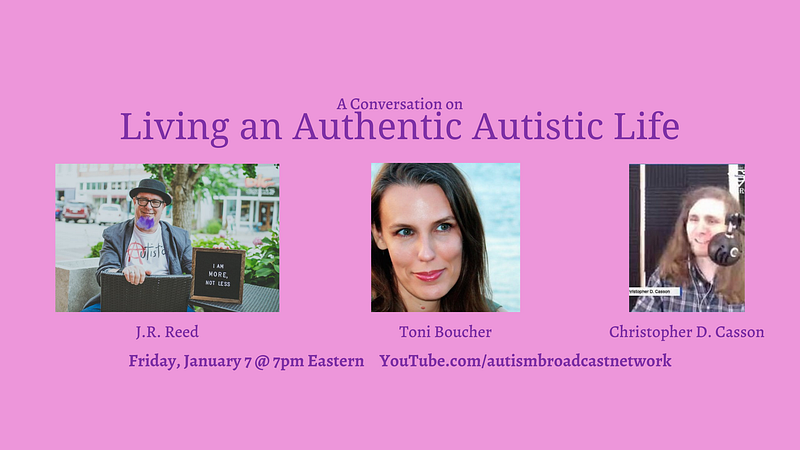
Want to know more about what autism really is? Join me on Friday when I sit down with friends, and fellow self-advocates Toni Boucher, and Christopher D. Casson to discuss Living an Authentic Autistic Life in 2022.
We’ll be live-streaming on YouTube’s Autism Broadcast Network at 7 pm Eastern on Friday, January 7. We’ll be taking questions live, so please share this with anyone you think would be interested.
Interested in Medium Membership? $5 a month gets you everything. It’s totally worth it!

For more great reads about neurodiversity, parenting, and advocacy, follow Neurodiversified.
We’re always on the lookout for more educational, informative, and well-written articles about ADHD, Autism, mental health, twice exceptionality, neurodiversity, parenting, advocacy, and education.
Want to write for us? Check out our submission guidelines.


