How to Perform with Social Anxiety
Here are three questions people always ask me.
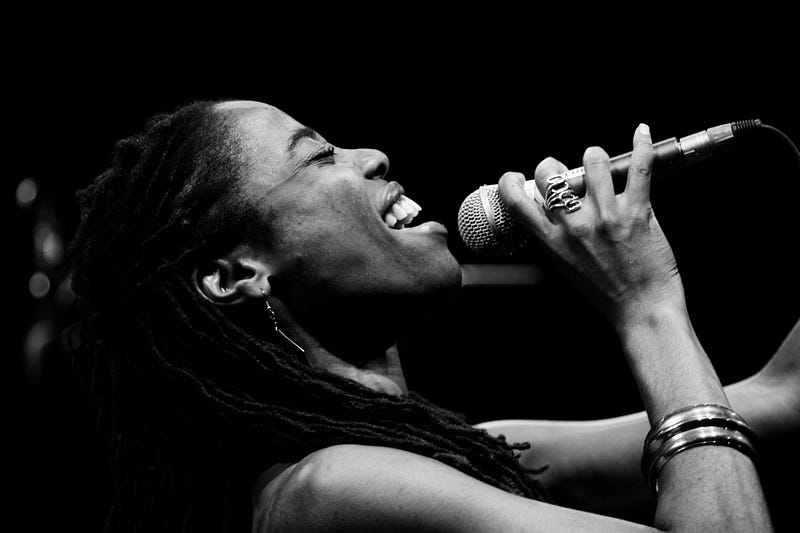
As a touring spoken word artist (before Covid, of course), I spent a lot of time traveling to different venues to perform poetry, to host open mics, and to compete in poetry slams. Truthfully, I love to perform, but it’s not always easy. In addition to being on stage in front of however many people, going to events comes with socializing, marketing myself, and answering questions — three things that my anxious mind does not like to do.
I’m open about having anxiety because I’m tired of trying to choke it down to pretend like I don’t. Also, I’m tired of the assumption that performers are always outgoing people with insane levels of confidence. Some of the performers I know do fit that description, but many do not.
When I bring up having anxiety, I’m often met with disbelief. It’s usually something along the lines of “You couldn’t possibly have anxiety, or you wouldn’t get on stage!”
Last year, I empathized with Summer Walker, a singer-songwriter who was ridiculed for canceling tour dates because of social anxiety. People online accused her of faking it, and they expressed disappointment that she was not as personable at her live shows as they’d hoped. It was hard not to take some of these comments personally, as someone I knew posted on Facebook that Walker’s opportunities should be given to someone who is “ready.” Aka, someone without anxiety.
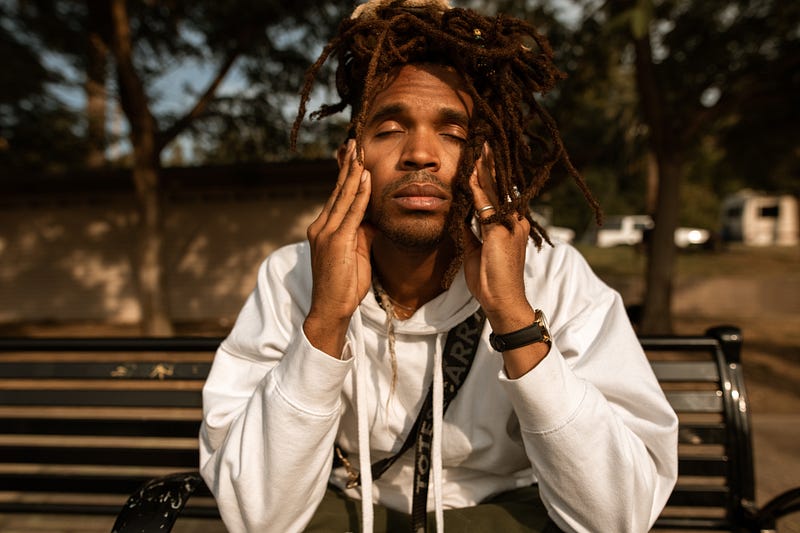
I know I’m not the only person who deals with this duality. On the one hand, I want to be a phenomenal performer and continue to hone my craft. On the other hand, my brain tells me to run away and never look back every time I get ready to go onstage. I want to share my thoughts and feelings and interact with the world. Yet, I fear drawing attention to myself. It’s extremely annoying, but it is my reality. So, I want to provide some honest answers to questions I receive often:
1. Why continue performing?
Simple answer: I love performing.
“But if it’s so hard to perform, then stop!”
This is not the useful advice that some people think it is. To me, it’s the equivalent of telling me to give up on my dream just because it’s not easy. I’ve been drawn to performing since the days of elementary school plays. I love to try on different personas, I love to experiment onstage, and I love having the ability to command a room and bring out people’s emotions. As a kid, I’d often put on my own solo shows or rope my friends into a production that I forced my parents to watch. Anxiety jumped on the train way later in my life. It’s a passenger; it does not get to control my destination.
Still, I have stopped myself from performing or taking certain opportunities because I felt too anxious. Sometimes, no matter how much I want to do something, my mind takes over and tells me I won’t be good enough and that I’ll make a fool of myself. When that happens, I always find myself wondering what if…? What if I had tried? What if I’d succeeded? It’s a balancing act of knowing my limits and pushing myself. Not performing just doesn’t work for me. In fact, it makes me feel worse.
Anxiety jumped on the train way later in my life. It’s a passenger; it does not get to control my destination.
2. How do you do it, then?
I just do my best. I have been performing for years and still have the same inner monologue every time:
- What if the audience doesn’t connect to me?
- What if they think I’m corny?
- What if I’m not what they thought I would be?
Each time, I acknowledge the thoughts as I have them, and I answer myself. What is the worst-case scenario? If it happens, so what? Will it change life as I know it?
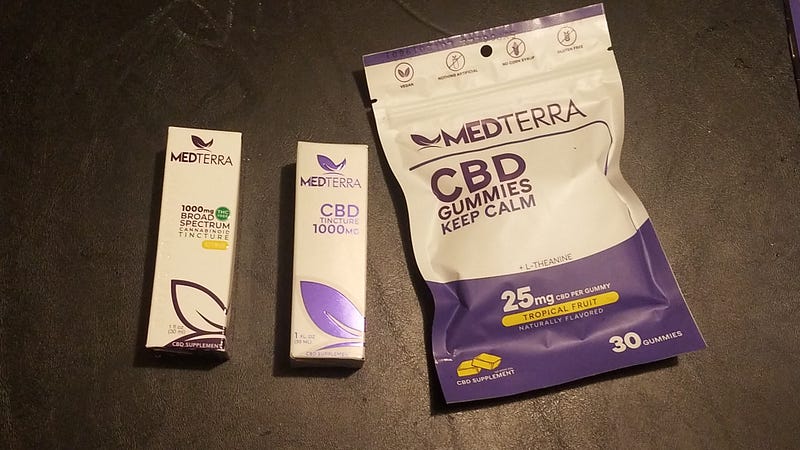
For solo shows, I tend to over-plan. I plan out my setlist beforehand, so I know what I’m doing. I plan and practice saying exactly what I want to say before, between, and after poems, so I don’t have to trust myself to come up with something on the spot. I take CBD or some maypop. I wear clothes that will hide my uncontrollable sweating.
I have a routine before I go on stage where I do a physical warm-up exercise and then speak some affirmations to myself such as I got this, I look amazing, I’m here for a reason. (Anyone who has ever witnessed this routine probably thought, “Is this girl gearing up for an Olympic sport?” And hey, sometimes it feels like I am.)
The next step for me is honesty with myself and my audience. Trying to act like I’m not anxious in any given situation only makes me more anxious. Instead of putting on a facade, I often lead my shows with my poem about anxiety, so I don’t have to feel self-conscious about my behaviors.
Yep, my hand might tremble while holding the mic. Yep, I may get flustered if I forget something. Yep, I might be sweaty when you try to hug me afterward. Now that I got that out of the way, let’s get on with the show!

Once I’m able to get into my performance, I get a lot more comfortable. The pressure to be social and think on the spot is gone since I know exactly what I’m going to say. I can be my full self on stage. I enjoy being there. It’s the before and after parts that get the best of me.
Lastly, I know myself, and I listen to myself. If I need a moment before speaking, I will take one. If a room gets too busy for me, I will find a calmer area or excuse myself until I’m ready to come back. Maybe I’m not the most exciting and talkative person in the room all the time, but I’m IN THE ROOM. I give myself credit for that step.
3. Do you have any advice for anxious performers?
Sure. But everyone is different. If anyone tries to sell you a one-size-fits-all approach to managing anxiety, call them a liar to their face. So, these tips may not be for you, and that’s alright.
That being said, here’s what I’ve done: start with some small steps to push yourself, but try to address why you feel the way you do. I’m no therapist, so please go to therapy, but spending time with myself has led me to figure out what I need most when I’m anxious and cater to those needs.
Some small things you can do to practice putting yourself out there could be:
Introduce yourself to someone at an event.
Talking to just one person at a time is a great way to practice working through fear. When you’re at an event, you will have to be in proximity to at least a few strangers. Whether you are sitting at the same table or reaching for the same cheesecake, push yourself to say, “Hi, I’m ______.” You can stop there. Or, you can include why you’re attending the event or ask them a question about themselves.
Chances are, you’ll be able to flow into natural conversation after you take this initial step. But even if you don’t, you can feel good about having worked through anxiety. Then, you can introduce yourself to more and more people.
Be the first to answer or ask a question at an event.
I find myself hesitating way too often when I have a question for a presenter or speaker. I cross my fingers and hope that someone else will ask the same question. If you’re like me, then it’s time to stop waiting for someone else to do what you want to do. Practice being the first.
If you’re worried about your delivery, try writing down your question as soon as you think of it. Then, you can reference your notes when the time comes to ease some of the anxiety. If someone asks a question you know the answer to, then answer them. It’s okay if your response comes out a little shaky. They need to have patience.
Similarly, practice volunteering if you’re at an event where the speaker asks for volunteers.
Deliver an informal talk/ performance to a small group
Did you know that some people throw presentation parties? They get all of their friends together, and each friend gets five minutes to talk to the group about whatever they want. Whether or not you want to throw a party, you can practice performing in informal settings where there are low stakes.
These steps are in no particular order. You don’t have to graduate from talking to one person before you can speak to a group. All you have to do is take the opportunities when they present themselves. It will be terrifying, yes. However, it will hopefully get easier each time. You will gradually start to feel better and more capable.
Keep performing!
You’re going to have good days and bad days. I’ve had some horrible performances, and I’m sure I’ll have many more, but I try to learn from them and let them go. If an opportunity presents itself, push yourself to take it.
I had to start acknowledging anxiety as part of the deal. It’s just going to be there for me, maybe for the rest of my life. But, it’s not going to stop me from trying to do what I love.
I want to have candid conversations about this topic, so feel free to leave any further questions in the comments!


