
Why I Don’t Hate Guns.
Growing up in rural America was different then. In many places, it still is.
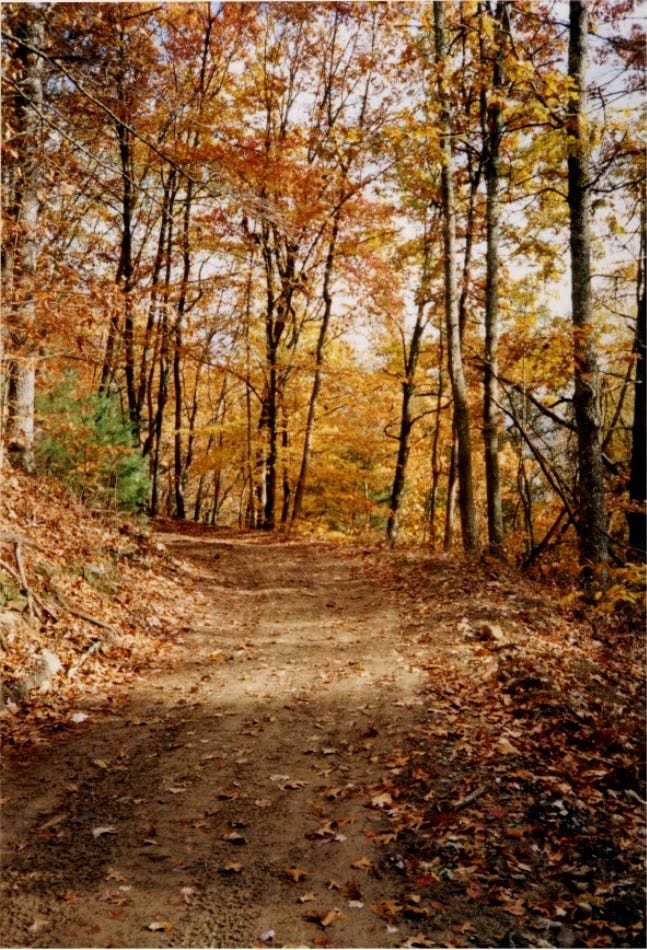
I grew up in the mountains of southern West Virginia in a hunting culture where men and boys look forward to the opening of hunting seasons — squirrel, deer, turkey — as if they were Christmas. These are simple folks who were taught to hunt by their fathers for whom hunting was not only a much-loved diversion but also a way of adding supplemental meat to the table when times were hard, which they usually were.
In this culture, being taught to hunt by one’s father is a rite of passage — an initiation into manhood. Because teaching mostly involves safety and respect for the destructive power of guns, boys who are taught to hunt by their fathers rarely grow up to be killers of people.
My dad started taking me hunting with him when I was eleven or twelve. He let me carry an unloaded single-shot .22 caliber rifle but for the first couple of years, he kept the shells in his pocket.
The rules were simple. I was not allowed to touch a gun unless he was with me. We never shot anything we wouldn’t eat. We never pointed a gun at anyone because there is no such thing as an unloaded gun.
In those days, everyone had guns in their home. I can still picture my grandmother running out on the porch and firing off a 12-gauge shotgun whenever a hawk got too close to her chicken house. Nobody I knew ever shot anyone else except maybe in Europe or Asia when they had no other choice.
Growing up in a place where Sunday’s dinner is still walking around healthy on Sunday morning brings you in touch with life and death and the simple reality that the things we eat — chicken, pork, beef — do not expire of old age and arrive neatly wrapped in plastic at the supermarket. The deer or wild turkey that arrives on the table after being shot is no more or less dead than the chicken whose feet have never touched the earth that Frank Perdue kills for you.
When you butcher steers or pigs, or dress a deer, and transform them into food, you are on intimate terms with death. I think it is healthy to learn these lessons early because it makes you respect life in a way that is only abstract to those who don’t. I hunted into middle age because it was my last connection to my father. After he died, I returned to West Virginia once a year in the fall to hunt with my uncle — my father’s brother. Now that he is gone, I no longer hunt at all. I feel sad for all the boys who never had a father to teach them that guns are not toys or weapons but a vital tool of rural survival and an awesome responsibility.


