
I’m A Doctor-Nurse
Is that confusing?
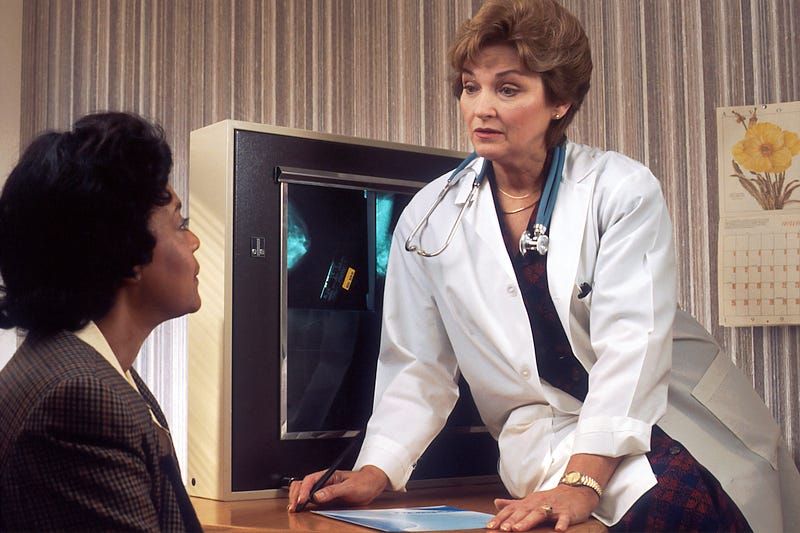
It slides off my tongue so easily now. “My name is Mary Lou Heater, I’m your doctor. I have a doctorate in psychiatric nursing, so I’m a doctor nurse, not a medical doctor.”
In Texas, you are “allowed” to call yourself doctor if you identify as a nurse.
The Doctor of Nursing Practice degree (DNP,) is a clinical, terminal degree in nursing. The is no higher level of education available for practice-based training in nursing.
I earned a DNP in 2011, but have practiced as an advanced practice nurse (APRN) in psychiatry since 2000. Confounding the issue perhaps is that I’m not a nurse practitioner. There are four different APRN credentials: midwife, nurse anesthetist, nurse practitioner, and clinical nurse specialist (CNS).
Advanced Nursing Practice is a field of nursing that extends and expands the boundaries of nursing’s scope of practice, contributes to nursing knowledge, and promotes the advancement of the profession (RNABC Policy Statement, 2001). ANP is characterized by the integration and application of a broad range of theoretical and evidence-based knowledge that occurs as part of graduate nursing education.
I am a CNS, which was the first nursing advanced degree (masters) ever awarded, and it was in psychiatric nursing to boot. Specialty trained, I can practice as a professor (mentor, preceptor), provider/prescriber, therapist, consultant, researcher, or an administrator. And I have worked in all those roles in my career.
But the scope of practice varies by state. Regardless, folks still call me an NP, if not doctor, go figure.
Preferring to be called by my first name, I tell my patients I find titles a barrier to communication. This works out well because the agency I work for thinks it would be too confusing to my patients if I were to be addressed as doctor.
I think that’s selling people short.
Psychologists, astrophysicists, dentists, veterinarians, and other doctorally prepared professionals are addressed as doctor and folks don’t confuse them with their primary care physician or psychiatrist.
But then remember the comments about Dr. Jill Biden.
The title of doctor does not confer magical powers.
I am not my title, any more than my patients are their diagnosis. I happen to be a human being educated, experienced, and credentialed to care for the mentally ill. I am trained in diagnostics, pharmacology, and psychotherapy. I attended nursing school.
A medical doctor is a human being educated in medicine and earns a professional degree as a surgeon or physician. She/he attend medical school.
My patients are human beings that may be skilled or unskilled, technically certified or advanced degrees, grade school dropouts, or high school grads, but they always have something to teach me.
Out of respect, cultural norms, or habit some folks call me Dr. Heater or Dr. Mary Lou but as the old saying goes — just don’t call me late to dinner.


