
If You’re Tired All The Time Don’t Push Yourself To Create
This is how you never get burnt out again.

Woohoo! You finally start getting some momentum. One of your articles has gone viral. You’ve nailed down a schedule, your writing is getting better, and then tragedy strikes — you’re too tired to do more.
If you find that you’re tired all the time then pushing yourself to create content can make the situation worse. This could be your body telling you it’s time to slow things down.
We all want to be the kind of person that churn out article after article but it’s not always easy in execution. There are plenty of articles that will tell you to be disciplined and write even when you don’t want to.
This isn’t one of them, the purpose of this article is to tell you to listen to your body and stop when you need to.
We All Have Limits
Understanding your own limits is one of the most important things a freelancer can learn, and it doesn’t get mentioned often enough. It’s true that one of the ways to grow is to keep making more but you shouldn’t sacrifice your well-being.
Three things will happen if you try to push past your limits. All three have happened to me in the past month. I’ve had to scrap several articles that weren’t up to par.
I’m working full-time, trying to lose a significant amount of weight, create not 1 but 3 podcasts simultaneously and then I wanted to write every day? This was always going to be too much for me and after 1 week I was completely burnt out.
Here’s what happened to my work:
Quality Will Suffer
The quality of your work will nosedive. Readers can spot disingenuous writing a mile off. If you’re trying to meet arbitrary quotas but end up in your burnout zone then this will show in your work.
I set myself the goal of publishing one article a day for one month. It’s a pretty common goal and it’s certainly achievable. The problem I faced was that I trying to do too much at the same time.
Instead of focusing on one thing that I could do well, my mind was constantly being drawn into other projects. Ultimately everything I was trying to do was below the quality I expect of myself.

Dragging It Out
Once you run out of energy you start to borrow from your future self. This is a debt that needs to be paid.
If you don’t take the time out that you need to recharge then you will keep this tiredness going on indefinitely. You are not superhuman, once you hit your limits your body and mind need time to recover.
You can try to ignore it but what’s going to happen is the feelings of burnout will persist. If you have a schedule that is simply too demanding then you won’t be able to work efficiently. By not taking some ‘me time’ when you need it you’ll be stuck operating at 30%.
Stopped In Your Tracks
The last thing that will happen is that you’ll just stop. You won’t be able to go on like this anymore. Your body won’t cooperate, your mind won’t focus, and you’ll find that progression won’t happen.
This is where I have been for the last couple of weeks. I ignored the signed and I knew I shouldn’t but I did it anyway. I have been sitting down at my desk, trying to work, but absolutely nothing has come to me.
I start to think about one project and as soon as I begin, I stop. Then I start thinking about another, but nothing happens. It’s been like this for weeks because I didn’t listen to my body early enough.
We Only Have So Many Spoons
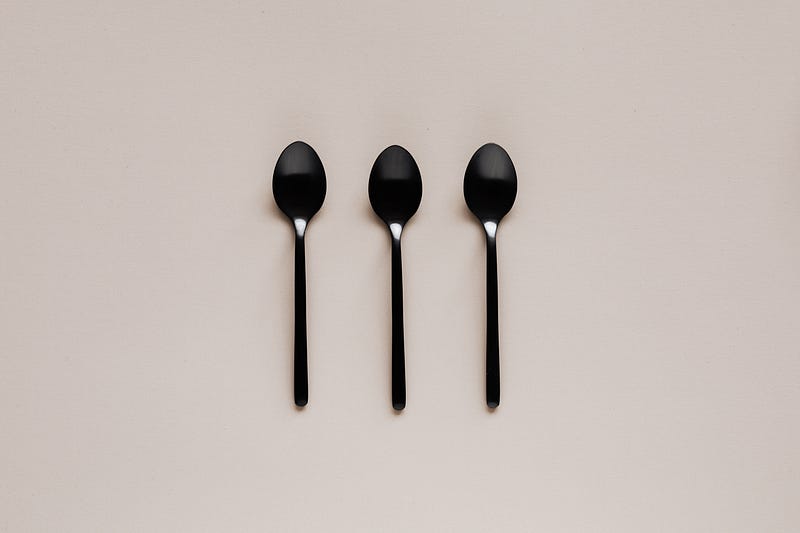
To understand your limits and avoid burnouts we need to talk about the Spoon Theory. Spoon Theory originated as a metaphor for describing chronic pain (in particular lupus) and how someone has to plan out their day to avoid using up all their energy, visually represented by spoons.
A simple breakdown of the theory is as follows:
You have 10 spoons of energy each day.
- Your morning routine accounts for 1 spoon.
- Work accounts for 5 spoons.
- Cooking dinner accounts for 2 spoons.
- Going for a walk in the evening accounts for 1 spoon.
- Playing a video game accounts for 1 spoon.
Let’s say this is the daily routine for someone and they use up all of their daily spoons. What happens when they want to add something to their day?
If this person wanted to go to the gym, but that takes two spoons, they might opt to skip cooking dinner and order something in.
What happens if this person has a bad night’s sleep so the number of spoons they have for the next day totals 8. This person won’t be able to go about their day as they usually would.
They might choose to skip their morning routine or they’ll go into work late. When they get home they might have to avoid cooking dinner or getting some exercise.
This is a perfect metaphor to help explain how someone dealing with a chronic illness needs to plan their day. I think it’s an incredibly useful tool for anyone whose struggling with energy depletion.
By quantifying your energy in spoons, or anything you want really, you can start to understand your own limits and plan for them. For example, I know that my job takes up all of my energy for the days that I work.
Therefore I know I can’t engage in anything else for the rest of the day. If I do then I won’t be able to use the rest of my days productively. I also know that this job isn’t the right fit for me.
What’s The Plan?
Whether you’re a converted spoony or not, knowing how to plan your day is vitally important. Not only as a freelancer but to be a functional member of society.
When we run out of energy we might become grumpy, irritable, and angry. That’s not good for us or the people around us so how do we build upon spoon theory and plan our days?
I’m going to suggest you start a journal and write down everything you do each day. Journal for a week, month, or even longer to give yourself a clearer picture of what you do each day.
Write down what you did and then give it a +/- score based on how much energy you think the task took. Every single person is different, so I can’t tell you that making scrambled eggs took 1 spoon or if it took 2 spoons.
You may find that scrambled eggs took 1 spoons to make but after eating you had 2 additional spoons for the day. That would give you a net +1.
You need to use your best judgment and that’s why journaling throughout a long period will give you a clear picture.
As you go along you’ll get a better idea of what takes up energy and what gives you more energy. Use this knowledge to plan out your days and avoid burnout completely.
How To Bounce Back

Burnout is inevitable and it happens to everyone so if you’re dealing with it now, don’t worry. You can bet that even prolific writers like Stephen King or Tim Denning had days where they couldn’t write.
If you’re finding that you’ve stretched yourself too thin and you need a plan to overcome burnout this is what I want you to do:
- Forgive yourself. Many of us are too harsh on ourselves. Burnout happens to everyone! Do yourself a favor and forgive yourself for being human.
- Stop forcing it. If you have deadlines, push them if possible. Anything else that doesn’t have a deadline can wait. Don’t force yourself to do it as you’ll risk feeling like this much longer.
- Chill all the way out. This point is going to be the most important for bouncing back. Just chill out man, put on Netflix, feet up, order in, and allow yourself the time to do nothing.
- Get some sleep. Rest is vitally important to recovering from burnout. Go to bed at a good time and try to get a good night’s sleep.
- Don’t Rush Back In. If you have obligations to meet, don’t shirk them. Otherwise, take as much time as you need until you feel 100% again. If you rush back into it you may end up dragging it out.
- Start Small. When you’re feeling sufficiently rested and ready to start creating again, start with something small. I recommend starting with the thing you’re most passionate about — the thing that’s ‘work’ the least.
- Do The Journal. Avoid burnout in the future by doing the journal and having a better idea of your energy consumption.
I burnt myself out the last week of January and it took me about 3 weeks to recover. When I felt ready I decided that instead of trying to work on all my projects I would pick just one.
Spotify has launched a show with a music features and I wanted to go back to my student radio roots and launch a radio show. It’s now life and the first episode is out! Instead of trying to write every day, plan 3 podcasts, and work on my own site, I picked one thing, and now it’s ready.
If you’re interested you can listen to here:
I’m now feeling recovered enough to start writing again, although I am going to avoid any 30-day challenges for the foreseeable future.
Conclusion
Realistically everyone is going to face burnout at some point in their life. By understanding your own limits you can give yourself a better chance of avoiding them.
If you are someone who is feeling tired all the time, you should go and speak with your doctor. I had some blood tests which would tell me if there were any underlying issues.
Thankfully I’m nice and healthy, which means I need to focus on creating a schedule that’s better suited to me.
If you liked this article, please consider joining my email list. I write about personal growth, self-care, growing up, and finding a new way to live. You can also find me on Twitter and if you like pop-punk my new podcast is perfect for you!


