
If you’re going to Germany, be sure you haven’t de-identified your passport photograph
In April 2019, I wrote an article about Israeli company D-ID, founded by Gil Perry, after meeting him at the Netexplo Innovation Observatory, an event I attend every year.
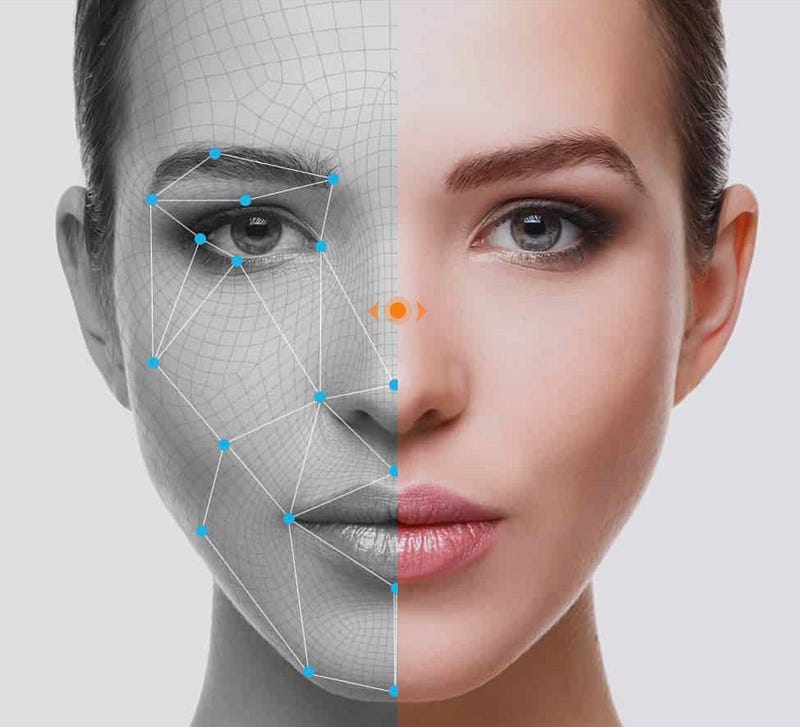
Perry’s company specializes in de-identification, a process that introduces slight modifications to photographs of faces that cannot be perceived with the naked eye, but which prevent them from being used to feed facial recognition databases. Digital facial recognition is based on a few measurements in an image, so what the D-ID algorithms do is to slightly separate the eyes or modify imperceptibly certain features so they no longer coincide with the original parameters in a photograph, thus preventing algorithmic programs from recognizing them.
As I noted in my piece, this is a very effective way of protecting our privacy: D-ID’s algorithms can easily be applied to any photograph of ourselves we upload to social networks so as to prevent them from identifying us in case they are being used to feed databases, which had happened to me before. Now, the German government has announced a ban on the use of these kind of morphing technologies on photographs for official documents such as identity cards or passports, arguing that these modifications could be used to assign several identities to a single photograph, potentially allowing different people to use the same ID to cross international borders that use electronic verification systems.
From now on, German passport photographs will either have to be taken at official document issuing offices or sent digitally through a secure connection to ensure that they have not been tampered with.
The possibility of using this type of de-identification technology on an official document such as a passport could make sense when visiting certain countries that use facial recognition technology aggressively, although I am unfamiliar with immigration procedures at airports. Obviously, interfering with an official document might be ill-advised, but Germany’s decision to specifically ban the use of this kind of technology seems dystopian, and suggests that its use might indeed be spreading.
Can we expect similar decisions in other countries?
(En español, aquí)


