
“If You Want To Lose Weight, Avoid Carbohydrates At All Cost” Is That True?
12 factors that can modulate our Glycemic Response
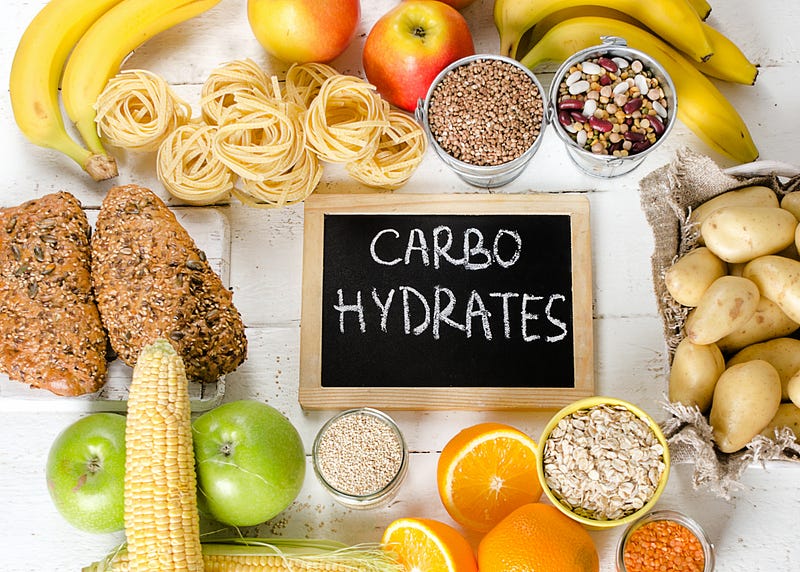
“White rice, potatoes, butternut squash, watermelons, raisins, pears… Off with their heads!” shouted the Queen of Hearts.
“Why?” asked Alice, startled.
“Are you kidding?!?!?!? All of them rank high in the Glycemic Index!… Off with their heads!!!!”
Over the last years, few things have gotten worse rep in social media than carbohydrates. They seem to have become the root of human despair and the enemy to beat if we want to live happily ever after.
‘The Evil wears Carbohydrates,’ so to speak.
Translating raw, scientific studies into more digestible chunks may carry the risk of oversimplifying the topic.
This carbohydrates hunt is an excellent example of what happens when the bridges between the ‘Ivory Towers’ of Nutritional Science and the general public do not stand over solid foundations.
In other words, by trying to offer -and sell- quick, hands-on tips, ‘do this, don’t do that’ recommendations, we may oversimplify a subject that inherently comprises a wide range of nuances and subtleties.
Let me explain to you why 👇:
Factors that can modulate our Glycemic Response (GI) to a specific food.
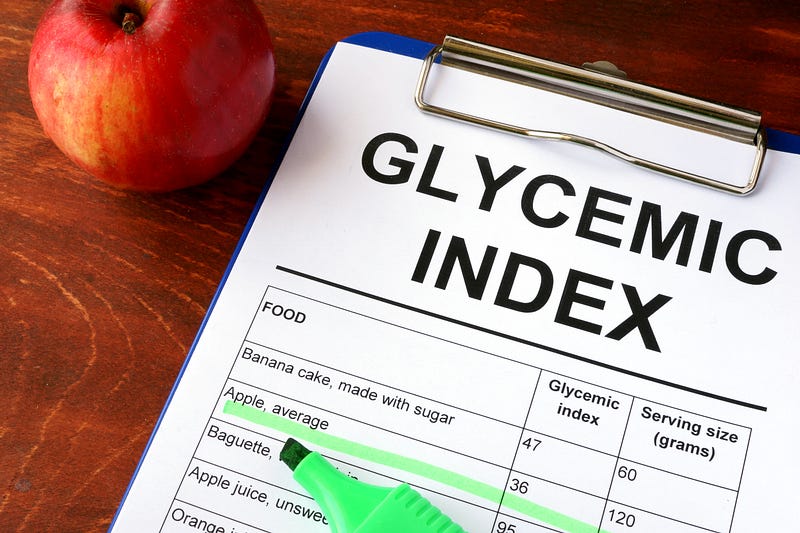
NOTE: The Glycemic Index is a number assigned to a specific amount of food, based on how quickly and how high it increases blood glucose levels.
The closer the number to 100, the ‘worse.’ I am oversimplifying here!
As good as a proxy can be, this index has unfortunately been extensively misused as a ‘scientific excuse’ to ban, demonize, and exclude from the plate, certain foods, i.e., those containing carbohydrates.
This is an example of oversimplified nutrition advice.
There is no such a thing as:
🍉“Watermelon, 72? Off with their heads!!!!”
🥣“Oatmeal, 87? Off with their heads!!!!”
🥜“Peanut,s 21? Eat-them-all!”
To give you an idea, here is a short-list of factors that can influence and modulate our particular glycemic response to a particular food:
1. Its fiber contents (Btw, fibers are also carbohydrates!)
2. Meal timing, i.e., when you eat it (chronobiology)
3. Your gut microbiota profile
4. Your genetic makeup
5. That night’s sleep quality
6. Your level of physical activity
7. Your level of insulin sensitivity/resistance in muscles, liver, pancreas, and adipose tissue
8. The foods you eat together with that particular one
9. Stress levels and the Hypothalamic-Pituitary-Adrenal (HPA) -axis activation degree
I know. There are some words with very long ‘family names’ in science.
10. Processing, i.e., which physical and chemical transformations the food went through
11. Preparation and cooking method
12. And yes, of course (!), its macronutrient profile
Losing weight while enjoying your carbs. Is that even possible?
A very recent study published by Glenn A Gaesser in Advances in Nutrition Journal (2021) questioned the efficacy of the Glycemic Index as a weight loss and obesity prevention tool.
The result?
Spoiler alert!
Weight loss success and the Glycemic Index did not correlate.
Yes! It is what you think.
People could enjoy their rice bowl and watermelon slices as part of a healthy diet and still succeed in their weight loss goal!
Take away messages
- Nutrition and health sciences don’t have to be complicated, but they are complex -and fascinating!
- Aim for simple, easy-to-understand explanations, but avoid overly simplistic do-this-don’t-do-that recommendations. They won’t support your long-term health goals. At all.
- Do not only focus on one food item. It is far more effective and sustainable in the long run to concentrate your effort on the overall intake of a well-balanced, nourishing plate.
Would you like to know when I publish an article?
Here are all the ways you can reach me 👇:
😊 Subscribe to my MEDIUM Email List
😊 Connect with me on LinkedIn
😊 Follow me on Twitter


