avatarKarol Skupien

Free AI web copilot to create summaries, insights and extended knowledge, download it at here

1857

Abstract

didn’t get enough sleep last night and taking a nap is inconvenient, or you often feel groggy and more tired after a nap.</p> <figure id="d20f"> <div> <div> <img class="ratio" src="http://placehold.it/16x9"> <iframe class="" src="https://cdn.embedly.com/widgets/media.html?type=text%2Fhtml&amp;key=a19fcc184b9711e1b4764040d3dc5c07&amp;schema=twitter&amp;url=https%3A//twitter.com/hubermanlab/status/1637163699239780353%3Fs%3D20&amp;image=https%3A//i.embed.ly/1/image%3Furl%3Dhttps%253A%252F%252Fabs.twimg.com%252Ferrors%252Flogo46x38.png%26key%3Da19fcc184b9711e1b4764040d3dc5c07" allowfullscreen="" frameborder="0" height="281" width="500"> </div> </div> </figure></iframe></div></div></figure><p id="aeaa">I decided to try it out during the day, I got comfortable and loaded up <a href="https://www.youtube.com/watch?v=AKGrmY8OSHM&amp;t=85s">Huberman’s guided NSDR protocol on YouTube</a>.</p><p id="7810">The general outline for an NSDR session looks like this:</p><ol><li>A few long deep breaths — long inhale through the nose and a long exhale through the mouth.</li><li>A period of normal breathing.</li><li>Drawing attention to a part of the body, letting go of tension and observing the body part’s surroundings.</li><li>Return to normal breathing.</li><li>Repeat the above.</li></ol><p id="65ce">I found Huberman’s NSDR protocol to be less wishy washy and spiritual as Yoga Nidra and I found it to have more of a <i>science feel.</i></p><p id="2062">Anyways, onto the results.</p><p id="4afd">I didn’t manage to get to the end of the 10 minutes because I fell asleep.</p><p id="d092">I am someone who finds it difficult to fall asleep, and I have found this to be one of my struggles with optimizing my sleep.</p><p id="218d">I tried NSDR a few more

Options

times and I have now found it to really help with getting to bed.</p><p id="4f5b">NSDR has been criticized as an alternative to sleeping and napping, however in my case it has helped with falling asleep in the first place.</p><p id="e59d">If you need to rest during the day, I suggest trying out NSDR and Yoga Nidra — if it doesn't help, it may help you to avoid tossing and turning in the evening.</p><p id="c62f"><b>Thanks for reading.</b></p><p id="2339"><b>If this helped, or you found it interesting, please clap for this story, and check out my other articles:</b></p><div id="01ca" class="link-block"> <a href="https://readmedium.com/for-the-last-time-you-dont-have-eyes-on-the-back-of-your-knees-b625a7e20bd5"> <div> <div> <h2>For the LAST Time, You DON’T Have Eyes On the Back of Your Knees.</h2> <div><h3>Stop shining bright lights on your appendages.</h3></div> <div><p>medium.com</p></div> </div> <div> <div style="background-image: url(https://miro.readmedium.com/v2/resize:fit:320/0*wrRpjGsKOgYzPkQN)"></div> </div> </div> </a> </div><div id="656f" class="link-block"> <a href="https://readmedium.com/if-you-want-to-feel-energized-do-this-every-morning-ed72d18fd699"> <div> <div> <h2>If You Want to Feel ENERGIZED — Do THIS Every Morning</h2> <div><h3>Channel Your Inner Caveman to Feel Refreshed</h3></div> <div><p>medium.com</p></div> </div> <div> <div style="background-image: url(https://miro.readmedium.com/v2/resize:fit:320/0*aCkr-3BCC0KFIX6q)"></div> </div> </div> </a> </div></article></body>

If You Want to Fall asleep in TEN MINUTES— Do THIS.

No, it’s not some navy seal technique.
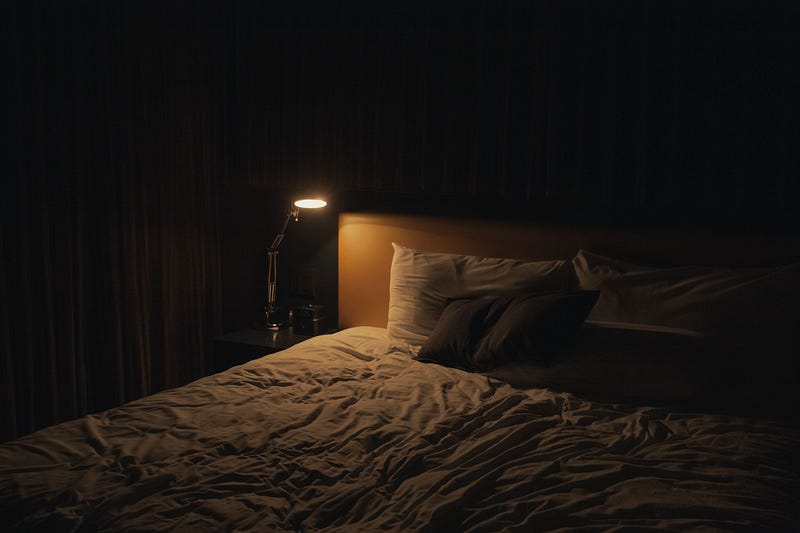
Photo by Jp Valery on Unsplash

Recently I have been discovering different methods on improving my quality of sleep and focusing on feeling more alert and well rested during the day.

Through listening to an episode of Dr. Andrew Huberman’s podcast, I was introduced to a concept called Non Sleep Deep Rest (NSDR).

NSDR is a relatively new term, it involves utilizing breathing patterns and body scanning to enter a state of deep relaxation similar to sleep.

It has benefits such as enhancing learning and memory, feeling well rested, and replenishing neurochemicals leading to improved focus.

“It takes advantage of the fact that specific forms of breathing place us into a state of deep relaxation by slowing our heart rate down. — Andrew Huberman, on the Huberman Lab Podcast.

The practice borrows a lot from the ancient practice Yoga Nidra — minus the mantras and the spiritual elements.

In the podcast, Huberman suggested that NSDR can be used if you didn’t get enough sleep last night and taking a nap is inconvenient, or you often feel groggy and more tired after a nap.

I decided to try it out during the day, I got comfortable and loaded up Huberman’s guided NSDR protocol on YouTube.

The general outline for an NSDR session looks like this:

  1. A few long deep breaths — long inhale through the nose and a long exhale through the mouth.
  2. A period of normal breathing.
  3. Drawing attention to a part of the body, letting go of tension and observing the body part’s surroundings.
  4. Return to normal breathing.
  5. Repeat the above.

I found Huberman’s NSDR protocol to be less wishy washy and spiritual as Yoga Nidra and I found it to have more of a science feel.

Anyways, onto the results.

I didn’t manage to get to the end of the 10 minutes because I fell asleep.

I am someone who finds it difficult to fall asleep, and I have found this to be one of my struggles with optimizing my sleep.

I tried NSDR a few more times and I have now found it to really help with getting to bed.

NSDR has been criticized as an alternative to sleeping and napping, however in my case it has helped with falling asleep in the first place.

If you need to rest during the day, I suggest trying out NSDR and Yoga Nidra — if it doesn't help, it may help you to avoid tossing and turning in the evening.

Thanks for reading.

If this helped, or you found it interesting, please clap for this story, and check out my other articles:

Sleep
Health And Wellness
Illumination
Wellbeing
Sleep Deprivation
Recommended from ReadMedium