
If You Have Been Single All Your Life, You Have a Lot to Be Proud Of
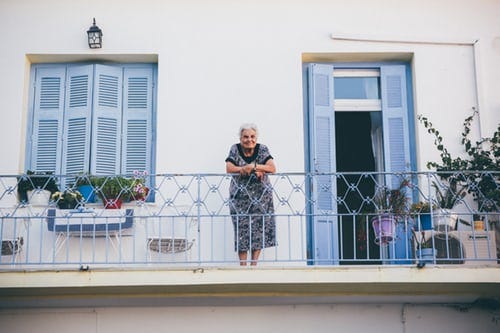
The division of labor can have advantages while a marriage lasts. Afterwards, though, both partners can end up less competent than they would have been if they stayed single.
Are you old enough to remember the term “divorcée”? It was often uttered in hushed terms, because it was considered shameful to be one. Divorce is now totally unremarkable, so people who are divorced get put down less often than they once did.
The people who seem to have taken their place as targets of the most negative stereotypes are those who have never married. If you are divorced or widowed, the condescending narratives insist, at least you were wanted by someone at some point in time. If you’ve been single all your life, the story goes, you must have issues.
When I read a book from a few years ago by two newly single older women, one divorced and one widowed, I came to a different conclusion: People who have always been single have so many reasons to feel proud. What they have learned to do for themselves, the many tasks they have mastered (or figured out how to accomplish with the help of others) — all of that is impressive.
Many couples in traditional marriages split up the tasks into his and hers categories. She never learns his and he never masters hers. Even in more egalitarian unions, tasks are often split up according to interests and skills. Again, about half of all that needs to be done to maintain a household and a life becomes foreign to each person in the couple. Even if they once knew how to do everything, they get out of practice or maybe new ways of doing things have cropped up since then and passed them by. While a marriage lasts, especially when things are going well, this division of labor is efficient (though not always fair). Everything gets done but no one person has to do everything.
That all changes when the marriage ends. Some people who are single again find themselves navigating new tasks for the very first time, or for the first time in a very long time. Some of them find that intimidating.
Here are just a few examples of tasks that at least one of the women in the book found challenging:
§ Balancing a checkbook
§ Booking travel reservations online
§ Navigating an airport
§ Figuring out your alarm system
§ Cooking
§ Cleaning
§ Maintaining the car
§ Managing subscriptions and dues
§ Creating and sticking to a household budget
§ Managing bank accounts and other financial holdings
§ Doing household repairs
§ Coaxing the computer to behave
§ Taking care of the yard
§ Taking care of the kids if you have any
If you have been single your whole life, I bet none of this scares you. You have either mastered all of these tasks long ago or have found ways to get them done by enlisting the help of others or finding competent people to hire. In fact, I bet it took your breath away to realize that there are fully grown adults, some of them old enough to qualify as wise elders, who don’t know how to do many of these things when they first become single.
But you do, lifelong single person — and for that, you should be proud.
I’m sure there are plenty of newly divorced and widowed people who remained unfazed by any of those kinds of everyday tasks. But it is not just the practicalities that can be daunting to the newly single. So can the more psychological challenges, such as remembering and understanding what’s going on in other people’s lives, appreciating their emotional profiles, and marking their birthdays and other significant occasions. In traditional marriages, those kin-keeping and friend-maintaining duties often fall to women, just as other more masculine gender-typed tasks fall to men. Some people have remarked, after a divorce or the death of a spouse, that they feel like they have lost their mind. In a way, research shows, they have; or at least they’ve lost half of it — the half of the things to be remembered and monitored that used to be their partner’s responsibility.
People who have always been single are the kin-keepers and the friend-monitors. They keep track of the important people in their lives, without counting on a partner to do it for them. They’ve been doing it all their life.
Studies that compare people of different marital statuses often show that people who have always been single do better, with regard to their health and well-being, than people who are divorced or widowed. I don’t like those kinds of studies — they can’t ever tell us what’s really going on, in terms of what is causing what. Plus, I think the disadvantages of divorced people have been overstated. But to the people who do take those studies too seriously, and wonder about the always-single people doing so well despite being the targets of the most intense stereotyping: consider all that the lifelong single people have to be proud of.
I’ve focused here on what was in the book I was reading that made me feel proud to be a lifelong single person. Research suggests other advantages as well. For example, in later life, divorced and widowed people find single life to be more difficult than lifelong single people do. (You can read more about lifelong single people here.)
My point is not to put down people who were previously married but to defend those who never were married against unfair stereotypes. My hope is that eventually, marital status just won’t be all that important, and no one will be stereotyped, stigmatized, or targeted with discrimination just because of their relationship status or marital history.
[Want to learn more? Take a look at this collection of articles on all sorts of topics relevant to single life. Watch my TEDX talk, “What no one ever told you about people who are single.” Check out my website. Disclosure: Links to books may include affiliate links. Finally, my “Single at Heart” blog that I have been writing for Psych Central since 2011 is ending in 2020; I am updating many of those posts and moving them to this blog on Medium.]


