
If You Had A Hypercritical Parent, You Struggle With These
Hiding from people and negative self-talk are just two of the maladaptive coping responses.

The first time I laid my eyes upon Maslow’s Hierarchy of Needs, I was surprised there were needs above food, clothing, and shelter. Not only that, someone — namely Maslow — had illustrated and described these higher-level needs. They included the need to feel safe and secure, the need for love and belonging, and the need for respect, appreciation, self-esteem, and worth.
The third surprise was that Maslow’s theory of needs and the higher-level needs were recognized by others. Because there I was, sitting in a college lecture theatre, looking at the now-familiar triangle on a screen larger than myself. Maslow’s theory had legs.
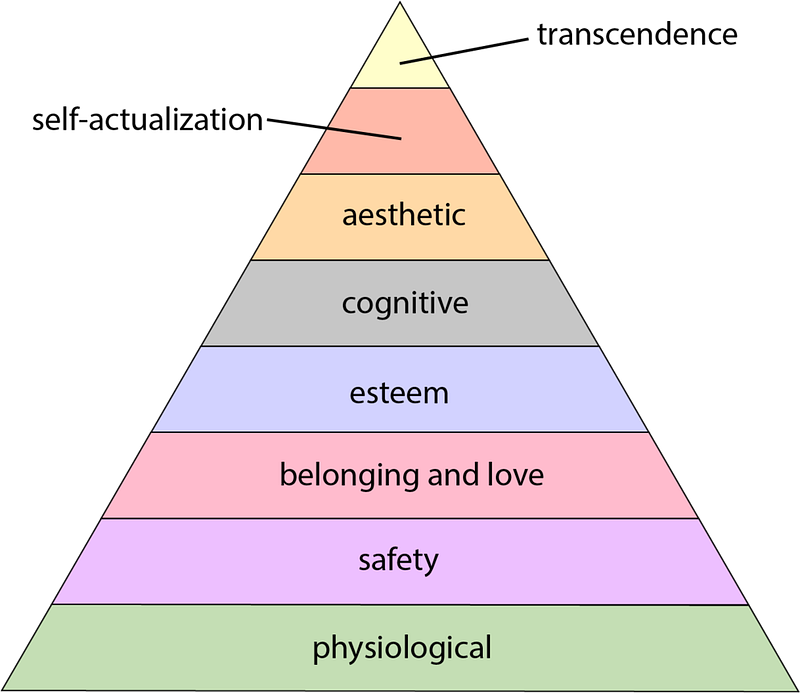
It meant that Maslow’s theory had merit.
It meant that I had been lied to.
Emotional needs, esteem needs, and the need for love, beauty, and creativity were and are real.
And the realization of it at that moment over 20 years ago made my body burn hot and cold with relief and simmering anger.
I’ve written about narcissistic parents before, but not all narcissistic parents are hypercritical. Which is to say, unreasonably or excessively critical, especially of small faults.
Criticism and contempt had been constant around my family’s dinner table. It was the stuff of conversation around the television set, harping on the faults of the people who dared to seek attention on TV. Moral judgments were leveled at both fictional and real people: Neighbors, friends, coworkers, and relatives. Everything was picked on — how they looked, how they spoke, how they were dressed, and more.
In many ways, I only knew to be relieved when my parents’ criticism was directed at someone else. If I recall my early childhood, feeling humiliated was common whenever my parents looked at my creative or written work. I was held to standards higher than reasonable for someone of single-digit age.
Even if the negativity wasn’t always directed at me, hearing my parents’ nonstop hypercriticism was like facing a constant physical threats: Maybe the violence wasn’t directed at me, but it could be.
The Tell-Tale Signs of Growing Up with Hypercriticism
Children of hypercritical parents:
- Hunger for praise and recognition but also feeling unworthy of it
- Never feel good enough and may show signs of perfectionism
- May try to “make do” without validation but feel crushing shame or envy watching other people receive it
- May practice self-abuse or self-punishing behaviors including self-neglect and extreme self-criticism
- Do not believe themselves worthy of help and may not ask for it
- Associate support-seeking and vulnerability with danger and/or personal weakness
- Judge themselves harshly and may be self-loathing
- May indulge in hypercriticism of others to feel better about themselves
- Avoid people and visibility because they fear criticism from people like their parents
- Hear negative self-talk almost all the time
- Experience both high anxiety and high avoidance in their relationships because of their extremely negative Model of Self and Model of Others
- Are more likely to be involved in abusive relationships and to experience strong fears of rejection, abandonment, and ostracization
- Believe that even their hidden or small faults can and will be picked on by other people
- Avoid people both while seeking or offering support because attachment is uncomfortable and unsafe
- Struggle to regulate their emotions because they did not have support in childhood for their emotions
- Feel shame and rejection keenly
- Have a very loud inner critic.
The inner critical voice may be the worst maladaptive survival response in the children of hypercritical parents.
Internal Family Systems is a therapeutic approach that explains how our inner critic becomes entrenched: It needed to sound like our first critics — our parents — because our traumatized Child needed both attachment to and protection from our caregivers, the providers of everything we needed to survive and develop.
The hypercriticism got internalized to protect ourselves from rejection and abandonment. As children, belonging and attachment weren’t mere higher-level needs, but how we got our physiological needs met. They were for our survival.
Is it any wonder that our Inner Critic needed to become just as shrill, extreme, and unreasonable as our hypercritical parents?
The Effect on Relational Style
Negative self-evaluation is the most likely outcome of growing up with hypercritical parenting. Having constant negative self-talk doesn’t help.
With a negative Model of Self and possibly a negative Model of Others, adult children of hypercritical parents are not likely to have a secure relationship style. Instead, relating to others can cause high anxiety and/or high avoidance. They miss out on the connection and co-regulation that comes from healthy relationships.
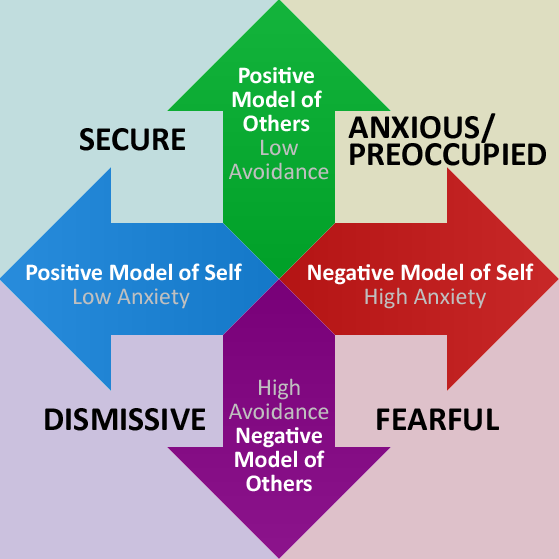
We’ll revisit healthy attachment when talking about healing from hypercriticism.
Complex PTSD Symptoms
CPTSD symptoms are also likely if multiple and prolonged traumas were experienced when we were young, powerless, and at the mercy of people who were supposed to care for us.
A toxic environment and the prolonged emotional abuse in it (and other forms of abuse) can contribute to Complex PTSD. These symptoms include:
- Difficulty with emotional regulation
- Anger and mistrust toward everyone
- Feelings of emptiness, hopelessness, worthlessness, and brokenness
- Feeling out of place or that others cannot understand you
- Avoiding relationships or finding them difficult
- Dissociation
- Regular headaches, digestive issues, or symptoms of stress
- Suicidal feelings and/or emotional flashbacks
- Nightmares and broken or difficult sleep
Not everyone who’s grown up with hypercritical parenting will have Complex PTSD, but it’s worth noting that many symptoms are common to both.
My parents clearly behaved as if any needs above food, clothing and shelter didn’t exist. Emotional, social, esteem, creativity, and actualization needs didn’t matter, and emotional abuse and manipulation (particularly through criticism) were “normal” in the family.
Hypercritical parents trying to shame, threaten, or coerce their children into high or impossible standards of performance do not give any weight to their children’s emotional well-being. Emotional needs are beside the point. And higher-level needs such as respect, self-esteem, and self-worth might as well not exist.
As adults trying to heal from a toxic childhood and lack of nurturing, the children of hypercritical parents need a lot of compassion, gentleness, and understanding.
Healing from Hypercriticism
Healing a negative Model of Self and an insecure attachment style requires seeing through the criticism we receive. It requires forming a more positive and accurate self-image, and this can be difficult with the entrenched survival and coping mechanisms of constantly replaying the “tapes” of our caregivers’ critical voices.
These mechanisms “worked” at one point (when we were growing up), but they no longer do. If anything, they put us at a disadvantage because we consistently find ourselves struggling with Imposter Syndrome and a loud inner critic, or worse, constant anxiety and depression.
These are hard to overcome without professional support and sustained effort. Self-care, meditative, and creative practices can help, as well as exercises for boosting our confidence and finding our strengths.
For myself, my long-term habits of journaling and painting helped me early on, even though they were — no surprise — severely criticized by my hypercritical parent. Having private moments to self-soothe with activities helped me process my toxic and negative experiences, even though I hadn’t known this was what I was doing at the time.
The road to healing will be long and individual. Professional trauma-informed support helps, and CPTSD especially benefits from EMDR and somatic therapies. Safe relationships with healthy and supportive people are also crucial for developing coregulation and safety in connection.
The takeaway should be that both free and professional support exists for children of hypercritical parents. And that the needs beyond our physiological needs are real.
For children of hypercritical parents, a nurturing environment and supportive relationships are non-negotiable.
If you enjoyed reading this, please follow me as I’ll soon be releasing my workbooks about boundaries and healing from shame.


