
If You Are Diabetic — DO NOT Use Splenda
Unfortunately Splenda can drive your blood sugar levels through the roof!
Many people do not know that some artificial sweeteners, such as Splenda can increase blood glucose levels as much as sugar does. If you don’t know about this, it can drive you crazy. You watch your blood glucose levels go through the roof, not knowing why!
I am Diabetic, and used Splenda for years wondering why my blood sugar readings were always so high. When I found out that Splenda and other artificial sweeteners affected some people’s blood sugar levels the same way sugar does, I was appalled. Thanks goodness there are sugar alternatives that will NOT affect your blood sugar levels. You can enjoy the taste of sweet and maintain steady and low sugar levels.
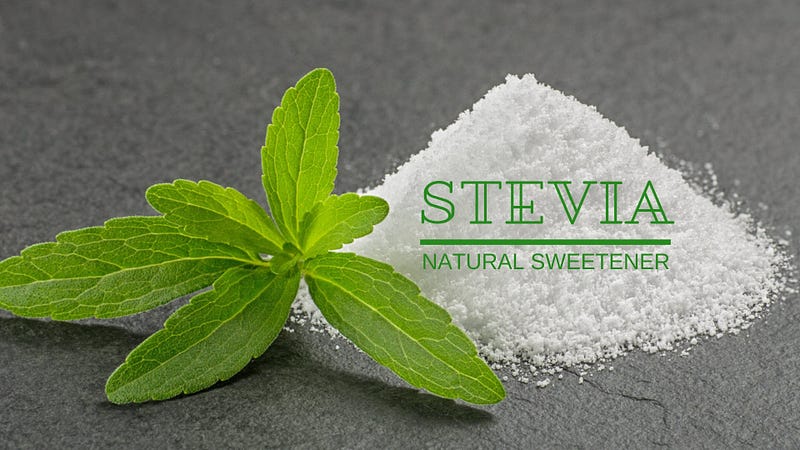
Stevia is one of the top choice of all the sugar substitutes available.
What Is Stevia, and How Can It Help Diabetics and Those Wanting to Lose Weight?
Stevia has zero calories, zero carbohydrates and unlike many of the other sugar substitutes , WILL NOT increase your blood sugar levels.
If YOU are Diabetic, or have been diagnosed with Prediabetes, Stevia can be a life-saver.

You can purchase Stevia in many forms:
- Ground powder (direct from Stevia leaves — green powder)
- Processed white powder. This is so sweet, a few grains on the “thin” end of a toothpick is all you need to sweeten your tea or coffee. The challenge is that measuring out such tiny quantities is almost impossible.
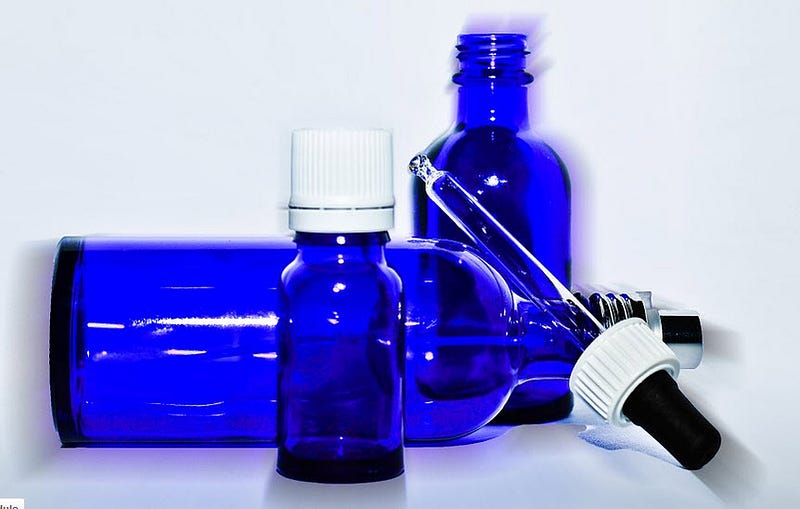
- Stevia Liquid Concentrate makes it easier to measure out exact quantities of sweetener. The small bottles can be stored in your refrigerator, purse, desk drawer or pocket.
- Spoon-for-Spoon is manufactured by using fillers to mimic sugar quantities.
- One of the many specialty brands claiming “ownership” to Stevia or Stevia mixtures.
If you want totally natural, you can grow your own Stevia plants, dry and grind the leaves to make your own Stevia powder. People in South America have been doing this for well over 1500 years.
In Japan, Stevia has been available as a sweetener for over four decades.
The US sugar lobby managed to get Stevia banned from the shelves in the 1990s unless labeled as a dietary supplement. It was finally allowed as a food additive in 2008. Today it can be found in all health food stores and many super stores across North America, Europe and Asia.
Because it has almost NO effect on blood glucose levels Stevia is of special interest to diabetics and those choosing low carbohydrate diets such as the Ketogenic Diet. It is pretty well the only sweetener, purists allow on a Paleo diet.
In several of the more recent studies, Stevia has also been reported as helping reduce hypertension (high blood pressure.)
Stevia is over 300 times sweeter than sugar
Our reaction to various sweeteners varies from person to person because of our taste receptors. Many people say they get an “aftertaste” from Stevia or find it bitter. One of the reasons for the bitterness or aftertaste could be that they are using too much of the sweetener.

With Stevia, there is a very fine line from great to awful. ONE extra drop from your Stevia dropper can take you over the edge from a perfectly wonderful cup of tea to a horrible and bitter aftertaste.
If you are using Stevia as a sweetener for your tea or coffee, the best choice is Stevia liquid concentrate. You measure it out from an eye-dropper type bottle.
You can not only get a neutral flavored Stevia liquid, but dozens of flavored varieties.
Of course, the manufacturers want to make money for the “onerous” task of creating the liquid. A small dropper bottle can cost up to $20 with some of the flavored varieties costing even more.
RANT: How much does a 1/8 teaspoon of Vanilla flavoring cost? Five cents, maybe? Why does adding that 1/8 teaspoon of flavoring result in a bottle of Vanilla flavored Stevia that costs twice as much as the unflavored variety?
The good news is …
You can make your own Stevia liquid in less than 10 minutes for less than 1/10 the price of buying it at your local market. Check out my money-saving recipe here.
I use the concentrated white powder only in baking and cooking. You may need less than 1/2 a teaspoon for an entire recipe. NO heaping or rounded teaspoons allowed. Level it off flat, otherwise you might overdo it and get that metallic aftertaste.
What Are Sugar Taste Profiles?
Diet food manufacturers spend hundreds of thousands trying to get as close to the taste of sugar as they can. The challenge is that the “perfect” sugar taste profile to ME, may taste “off” to YOU.
IF you have been (or are) addicted to sugar, you may find “something missing” in the sweet taste of Stevia. As you are weaning yourself off sugar you might try mixing xylitol or erythritol with Stevia. If you are baking, try mixing the two half-and-half. You will also find that over time your taste buds will adjust and you will actually find sugar to be MUCH too sweet.
I tried to explain the “missing” sugar taste to some friends. The closest I could come was the difference between Coke and Pepsi. Many people can’t tell the difference in blind taste tests. This is especially the case if you grew up when both brands were available. However, if you grew up in an era where only Coke existed, you can probably do blind taste tests and tell the difference every time. There is a very SPECIFIC Coke taste!
The same thing happens when you grow up eating sugar on a daily basis. When you start using sugar substitutes you notice something different, something “missing.” This sense of a missing element will eventually disappear.
Diet product manufacturers often mix several artificial sweeteners together in order to come closer to the “sugar profile.” If you become a devoted label reader you will notice these mixes right off: Splenda and Stevia, Splenda and Aspartame, Aspartame and Saccharin and many others.
The problem of course, is that even healthy natural sweeteners will keep us addicted to the “taste” of sugar. You can wean yourself off the taste of sugar by going cold turkey, or just having a bit of patience as you get used to less and less sugar — including artificial or natural sweeteners.
CONTROVERSY
In the early 1990’s an anonymous complaint to the FDA resulted in Stevia virtually being banned from US consumption. In order to sell Stevia it had to be labeled as a dietary supplement. Even with this obscure labeling it was difficult to find and almost impossible to purchase.
It took over 15 years for Stevia growers, manufacturers and health devotees to beat the Sugar Lobby at its own game.
STEVIA RECIPES
Be very careful when using recipes with Stevia in them. The big problem is that many recipe authors fail to tell you what FORM of Stevia they are using. There is a GIGANTIC difference between spoon-for-spoon Stevia and Pure White Concentrate Stevia. If the recipe calls for one teaspoon, one tablespoon or one cup of Stevia, the recipe author has likely used spoon-for-spoon. Be very careful.
Here is a Stevia-Sugar Equivalent chart that may come in handy.
Most of the time you will use Stevia in EXTREMELY small quantities … 1/32 or 1/16 of a spoonful. Creating your own liquid Stevia makes measuring out small quantities much easier.
Sweetness can also vary from manufacturer to manufacturer. If you like a recipe using one manufacturer’s product, then stick to that brand. If you change to a different brand, be cautious and use slightly less product at first. If necessary, add more once you do a taste test. Yes, this is one time to stick your finger into the cake batter or to eat a small ball of raw cookie dough!
Depending on where you are at in your sugar habit busting journey, you may prefer to try the recipes using half Stevia and half xylitol.
As I said at the beginning of this article, Stevia can be a life-saver. Start by using this Stevia Liquid Concentrate Recipe. Once you have adjusted to the taste (it won’t take long) try using Stevia in your cooking and baking.
Originally published on sugar-free-zone.com.