
If Men Really Believed Women Were Equal, They’d Do More Housework
The Hollywood movie star who changed the rules of divorce

When Elizabeth Luxford found out her husband James had another wife, she marched down to the Court of Assistants in the Massachusetts Bay Puritan Colony and got the first divorce in America.
They fined him 100 pounds, gave all his property to Elizabeth, and threw his butt in the stocks. When he was released, they sent him back to England.
That was December, 1639. The second divorce was 3 years later when Anne Clarke petitioned for divorce in 1643. She’d married her husband, Denis and they had two kids. Then he moved in with another woman and had two kids with her, too. And he wouldn’t come home!
He even signed an affidavit saying so. Here, I’m not coming back. The divorce was granted on the grounds of abandonment.
He’s only beating you? Pfft. No divorce for you…
A few months later, a 13 year old girl approached the court. She’d been a child bride, brought to the colonies by her husband, John Hicks. He was beating her pretty badly, so she wanted a divorce, too.
Her husband was charged a 10 pound bond, but the divorce was denied because he hadn’t abandoned her. So she ran away. It took him 9 years to find her and when he did, she was living with someone who didn’t hurt her. He was awarded a divorce because she had abandoned her marital duties.
Liar, liar, pants on fire…
For hundreds of years, the only way a woman got a divorce was bigotry or abandonment. That wasn’t prejudice against women, it was to protect them, because they had very few rights.
Women couldn’t have money or property because they were property. The man was the head of the house. The woman cooked and cleaned and raised his children in return for being provided for financially.
The lucky ones married for love.
Sometimes, fathers just chose a husband based on who’d take her. Once a girl was married off, if her husband bailed out, she was granted a divorce. So she could find another man to provide for her.
There’s an old saying that absolute power corrupts absolutely and sometimes that happens inside of a marriage. Eventually, the courts added abuse, cruelty and adultery as grounds for divorce. But she had to prove it.
Proof wasn’t always easy to get, which led to a sick new profession. If you had the money, you could hire a “professional witness” who would testify for you and make sure the divorce was granted.
I don’t think they thought that through, long term.
The Hollywood movie star who changed the rules of divorce in America…

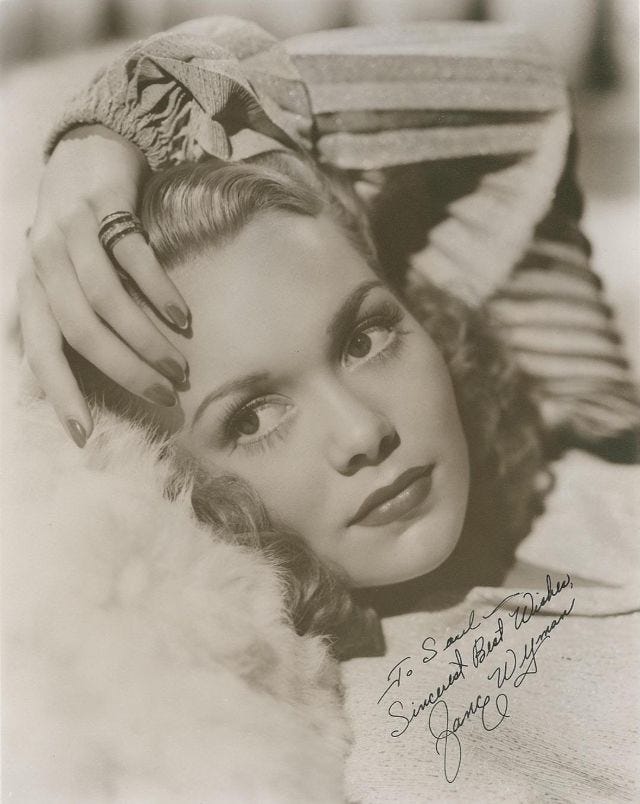

Sarah Jane Mayfield did not start life easy. She was only 4 years old when her parents divorced in 1921, and her mom put her in foster care.
By 15, she’d dropped out of school and was trying to make it on her own.
How do you work without a bank account? Sarah Jane worked in a salon, sang on the radio and even got a few bit parts in movies, but it wasn’t easy. For starters, she had to lie about her age. When she was 15, she said she was 18. So they’d hire her.
Even worse? Women had won the vote but they couldn’t open a bank account without a man’s permission and signature. Normally, that man would be the woman’s husband or father. She had neither of those.
Every young woman was like Britney Spears back then. They needed a man to take conservatorship of their finances. Because they weren’t allowed to.
At age 16, she signed a contract with Warner Brothers and married a salesman named Ernie Wyman. The marriage didn’t last long.
Jane meets Ronnie …

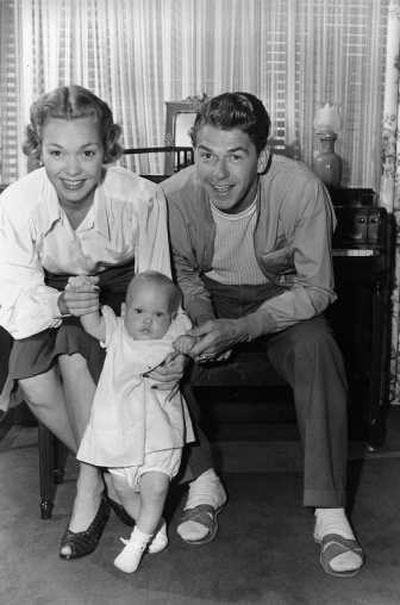

In 1938, Jane co-starred with actor Ronald Reagan in Brother Rat. In 1940, they co-starred in the sequel. They were married by the end of the year.
They had a few beautiful years. Their daughter, Maureen, was born in 1941. In 1945, they adopted Michael. In 1946, Jane was nominated for an Academy Award. In 1947, Jane was pregnant with their third child.
Then it all fell apart. Their baby died. Ronald had just become president of the screen actor’s guild and the demands of his work strained a marriage that was already hit hard by the loss of their child. Jane fell apart.
Psychologists say grief can make a couple pull together or apart. It was the latter. “Janie is still a pretty sick girl,” Ronald would write in a letter to a fan. “I know she still loves me, even if she thinks she doesn’t.”
In 1948, Jane filed for divorce. The only grounds under which she could file were adultery, abuse, abandonment or mental cruelty. He did not cheat on her, abuse her or abandon her. So she filed under mental cruelty. The divorce was granted in 1949.
No fault divorce sweeps America…
20 years later, California Governor Ronald Reagan signed the first no-fault divorce law in America. No one would ever have to find “fault” or lie under oath to end a marriage that was making them desperately unhappy.
One by one, very other state followed. Ronald Reagan was the Hollywood movie star who changed the rules of divorce in America.
Divorce rates shot up…
As no-fault divorce swept America, divorce rates shot up. 50% of couples who got married in 1970 ended up divorced. According to a study published in the American Law and Economics Review, 70% of women in some states filed for divorce after no-fault divorce became legal.
All those women? They didn’t want to vilify him. They just wanted out.
The wheels of change moved slow…
Life was an hierarchy and women were below men. The hardest part was that women were told they were less capable and therefore inferior.
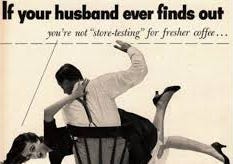

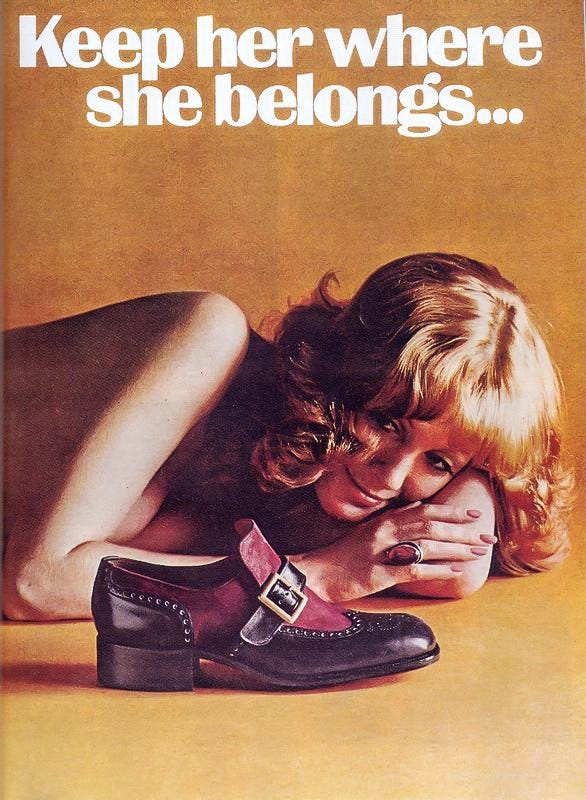
When birth control became available in 1960, it was only for married women but their husbands had to sign for it. If he wouldn’t sign, she couldn’t have it. Single women weren’t permitted birth control until 1967.
Women couldn’t serve on a jury until 1968, because they might not be able to understand and make a sound decision. Ivy league schools like Yale and Princeton didn’t accept women until 1969. Harvard not until 1977.
Money remained an issue. A woman was not allowed to open a bank account without permission and a signature from her husband or a male relative until 1974, when the Equal Credit Opportunity Act was passed.
Until 1978, women could be fired for getting pregnant. That only changed 43 years ago when the Pregnancy Discrimination Act was passed.
Home is the final frontier
Love is a beautiful thing, don’t you think? Knowing at the end of the day, there’s someone that lights up when they see your face. Someone to share the good and bad, to laugh together and reach out a hand when you stumble.
Love is a beautiful thing. I’m just not sure men and women define it the same way. Seems to me a lot of men are still looking to be the head of the house, like the golden-olden days of Leave it to Beaver, when Ward Cleaver came home from the office and June had the house tidy and dinner on the table.
We don’t live in that world anymore.
In the last 40 years, Ward’s boss has seen his salary go up 1100% while Ward’s only went up 10.9% and he can’t make ends meet. June has to work now, too and she isn’t getting equal pay yet, and won’t for another 100 years.
Women still do the lion’s share of the housework…
I read a story written by a frustrated woman. She said her husband believes in feminism and equality. He even went to a feminist rally with her. But he won’t do house work. Just. will. not. It’s her job. And she doesn’t understand.
I feel so sad for her. Because I know where that’s going. Not today, probably. But one day. There are none so blind as he who will not see.
Some couples have enough money to hire housekeepers and avert the entire issue because the housework becomes the maid’s job. But for most couples? Home is the final frontier where equality exists — or it doesn’t.
Married American mothers spend almost twice as much time on housework and child care as married fathers do, even when they also work. But that’s not the most telling part. Here’s the most damning part.
About 29 percent of married women in America earn more than their husbands. When women earn more, men do even less housework.
She’s already “emasculating him” enough, right? Except the entire concept of emasculation is based in hierarchy, not equality.
Here’s what men don’t stop to think of.
Single men clean, don’t they? Not all single men live in a ruddy pig-sty. Floors don’t mop themselves. Dishes don’t wash themselves. So why does that stop as soon as there’s a woman around to do it?
You can have an equal partner or you can have a pecking order, but you can’t have both.
If men really believed women were equal, they’d do more housework.
“I believe in equality for everyone.” — Mahatma Gandhi


