
If Kindness Is Free, Why Do We Struggle to Be More Than ‘nice’?
Being ‘nice’ and being ‘kind’ are two very different things
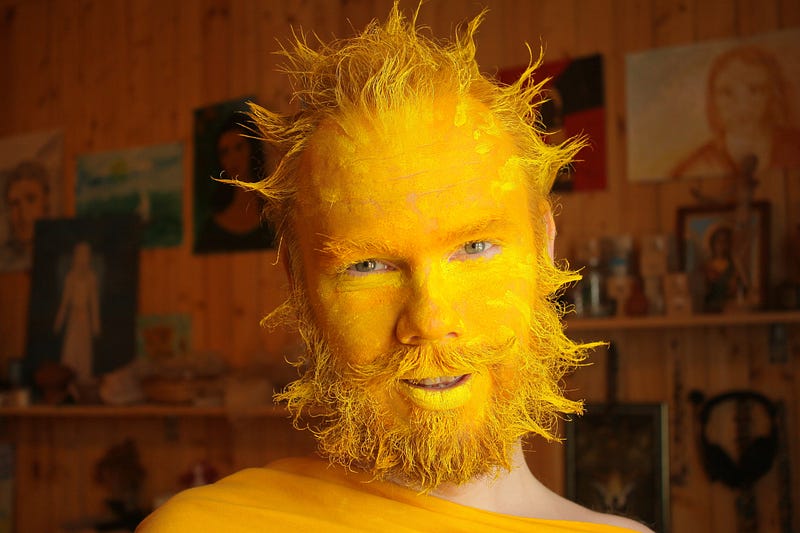
Being ‘nice’ and being ‘kind’ can sometimes be seen as the same thing, however, they are actually very different.
Kelly Shi from the Markkula Centre for Applied Ethics at Santa Clara University says “The distinguishing factor seems to lie in the motivation of a person or act”.
Our connections are the true gold in this world, therefore investing in our ability to feel and show more kindness could certainly be considered a top-priority personal investment.
If we understand what distinguishes showing kindness from simply being nice, we will be better able to show up for those in our lives who matter to us most.
Parents Aren’t Always Right
When we are children, our parents and authority figures tell us what is right and wrong. As we get older, we realise that the people we look up to with wide-eyed admiration aren’t always, in fact, the angels we thought they were and that maybe some of their beliefs don’t resonate with our own, newly emerging ones.
I first realised that adults don’t know everything at around the age of six or seven. It was a shocking revelation, one that shook up my whole notion of society’s foundations.
It dawned on me that I needed to start questioning myself, before blindly accepting truths from older people. This hefty realisation changed my previously innocent view of everything. In retrospect, it was probably one of my earliest introductions to the idea of self-responsibility.
Don’t Be the Nice Guy
Being ‘nice’ is acting out of self-interest. If you are just being ‘nice’, you are performing in a way to please someone else, in order to help you get what you want. You may not fully agree with this yet, but hear me out.
This may well be done subconsciously. You might think you’re doing it to help, but if you think about it more, it might not be totally based in altruism.
One can also be ‘nice’ for less-than-admirable reasons very consciously, although for the purpose of this article, I’m hoping that we’ve grown beyond that…
We all have a little voice inside our heads, call it intuition, or the angel and the devil, that knows how our future decisions would affect others. You can feel it in your gut.
Being ‘kind’ happens when you follow what your intuition tells you about what is right. Some call it listening to your higher-self. Whatever works for you.
This comes from a place where you see how your choices would affect the other people involved, regardless of how it might support your own motivations.
In some situations, there is no definitive right and wrong, the choice is neutral. However, there are certainly times when you know for sure which path is the real yellow brick road.
In summary: Being nice is interaction motivated by success in one’s own intentions.
Are You Being ‘nice’ or Being ‘kind’?
All of us have practised kindness at some point. For most of us, we give and receive kindness in our relationships every day.
All of us would be able to remember times when we definitely could have been kinder though too.
Maybe your roommate was stuck with their English essay. Although you knew that you could have helped them out, you were cosy in bed watching your favourite show on Netflix and decided that you’d wait and see if they’d ask, rather than offering outright.
Now, you could have forced yourself to remove the soft, warm duvet, get up into the chilly room and go over to their desk. You could have mumbled advice about improving their flow of ideas and choice of quotes through gritted teeth, hoping that they’d decide to pack up for the night so that you could get back to the heavenly comfort under your sheets as soon as possible. However, this wouldn’t be showing kindness, this would be forcing yourself to be ‘nice’.
Instead, put yourself in the position of your roommate. You could imagine how they would be feeling, and understand that any help you’d offer would lessen their troubles. Knowing this, you might decide to brave the cold wilderness on the other side of your covers to help a brother/sister out. They will feel better afterwards and bonus: so will you!
Empathy Comes From Being Self-Aware
Questioning your thoughts and actions and consciously moulding them to come from a place of empathy leads to an increase in self-awareness¹.
According to psychology researcher and writer on PositivePsychology.com, Courtney E. Ackerman, MSc.:
Self-awareness is the ability to see yourself clearly and objectively through reflection and introspection.
When you look in the mirror you are practising self-awareness. The person staring back at you knows that you could have left that last piece of cake for Aunt Sue, who had her eyes on it, even though she insisted you have it.
According to psychology, the almost exclusively human ability to recognise oneself (chimpanzees can as well) is fundamental in being able to empathise with others¹.
When we are able to take a good look at ourselves, identify our thoughts and the actions that result from them, we can recognise our strengths and weaknesses. We can find opportunities in which we can do better, behaviours which we might like to change so that we might become kinder people to ourselves and those we connect with.
Become One Percent Kinder Everyday
We all have parts of ourselves which we aren’t as proud of. We’re human, so the ‘perfect’ version of us will only ever exist in the wonderful fantasies our clever minds are so good at creating.
When we can see our less shiny bits for what they really are, we can then start working on bringing them out from the Dark Side and transforming them into traits we are proud of.
There are endless ways you can get to this. If you like writing, you could add a couple of lines into your routine journalling of ‘things to work on’. If you can never commit yourself to journaling regularly, making reflection a habit on your daily commute, or as you exercise, might work well for you.
Using part of your ‘you’ time is perfect for considering how you could become kinder.
All it takes is a few minutes to reflect on your day’s interactions. Raise your level of self-awareness so that you can empathise with others better, which will naturally lead to becoming more kind. Find instances when you were actually just being ‘nice’ and acting out of personal benefit, instead of being truly ‘kind’ and acting based on what would be best for somebody else.
Next time, try to leave the last piece of cake for Aunt Sue, but don’t beat yourself up if the temptation is still just a bit too strong. Recognise that you could do better next time, and that you just may be able to by then.
“Do things for people not because of who they are or what they do in return, but because of who you are.”
— Harold S. Kushner
Reference
¹Gallup, G. G., & Platek, S. M. (2002). Cognitive empathy presupposes self-awareness: Evidence from phylogeny, ontogeny, neuropsychology, and mental illness. Behavioral and Brain Sciences, 25(1), 36–37. doi:10.1017/s0140525x02380014


