avatarHarvey Richards

Free AI web copilot to create summaries, insights and extended knowledge, download it at here

3042

Abstract

rgeting a different aspect of your business.</p><p id="0537">For example, you can position yourself as:</p><ul><li>An eco-friendly cleaner.</li><li>A budget-friendly solution.</li><li>A same-day service provider.</li><li>A provider of deep cleaning services.</li><li>A specialist in stain removal.</li></ul><h1 id="e1c1">Step #2: Get the Data</h1><figure id="0882"><img src="https://cdn-images-1.readmedium.com/v2/resize:fit:800/0*D5i7ymwSJ2UFkKrn"><figcaption>Photo by <a href="https://unsplash.com/@campaign_creators?utm_source=medium&amp;utm_medium=referral">Campaign Creators</a> on <a href="https://unsplash.com?utm_source=medium&amp;utm_medium=referral">Unsplash</a></figcaption></figure><p id="3cfd">The second step is to gather data.</p><blockquote id="41ac"><p>Spend at least $100 on each ad copy.</p></blockquote><p id="c05c">The goal is to figure out which ad copy (positioning) gets the most clicks. This tells us which ad copy is most interesting to our potential customers and makes them visit our website to book our services.</p><p id="3153">For instance, if the ad copy with a ‘<i>same-day service</i>’ positioning receives the highest CTR, it indicates that most people are interested in same-day service.</p><p id="3239">Once you have this data and know what the majority of your customers desire from your service, the next step is to create the ‘<i>Sales Page</i>’.</p><p id="1a79">The sales page will allow you to target those customers who are interested in same-day service specifically.</p><h1 id="1cde">Step #3: Create the Sales Page</h1><figure id="817b"><img src="https://cdn-images-1.readmedium.com/v2/resize:fit:800/0*GkrZYueJudUqXAPB"><figcaption>Photo by <a href="https://unsplash.com/@austindistel?utm_source=medium&amp;utm_medium=referral">Austin Distel</a> on <a href="https://unsplash.com?utm_source=medium&amp;utm_medium=referral">Unsplash</a></figcaption></figure><p id="fa73"><b>Make sure your ad and sales page talk about the same thing.</b></p><p id="05a2">Let me give you an example.</p><p id="80ea">Imagine you run a carpet cleaning business…</p><blockquote id="ad0c"><p>If your ad targets individuals seeking “deep cleaning services” and they click through to your sales page, it’s important to explain on your sales page why you excel in deep cleaning and how you go about it.</p></blockquote><p id="4e01">If your sales page doesn’t do this, visitors will quickly lose interest and leave your website.</p><p id="22a6">Offering eco-friendly cleaning, budget-friendly solutions, or same-day service options won’t capture their attention because they are specifically looking for an expert in deep cleaning their carpets.</p><p id="caf1">That’s why they landed on your sales page.</p><p id="55f7">Therefore, your sales page should focus <i>only</i> on deep cleaning services.</p><h1 id="6910">Should Your Sales Page Focus on Just One Positioning?</h1><figure id="5888"><img src="https://cdn-images-1.readmedium.com/v2/resize:fit:800/0*zXGlUUxrlPz9E_uA"><figcaption>Photo by <a href="https://unsplash.c

Options

om/@jontyson?utm_source=medium&utm_medium=referral">Jon Tyson</a> on <a href="https://unsplash.com?utm_source=medium&amp;utm_medium=referral">Unsplash</a></figcaption></figure><p id="f3bc">Many clients ask me this when I suggest focusing on a single positioning, and I completely understand their concerns.</p><p id="4c05">They want to show they can do many things.</p><p id="b7aa">Now, let me clarify…</p><p id="c6f9"><b>I’m not saying you can’t position yourself as an expert in multiple areas.</b></p><p id="fe5d">However, when it comes to converting prospects into customers, your sales page should focus <i>only</i> on one key positioning. Your sales page needs to address what your potential customers are looking for.</p><p id="a586">That’s why they visited your sales page in the first place.</p><p id="8fda">They want to know how you can solve their <i>SPECIFIC</i> problem.</p><blockquote id="f9ee"><p>For instance, imagine you have a headache, and you visit a pharmacy. The pharmacist offers you two tablets — one designed exclusively for headaches and another claiming to relieve all body pains.</p></blockquote><blockquote id="019c"><p>Which one would you choose?</p></blockquote><blockquote id="d936"><p>Naturally, you’d opt for the tablet that directly targets your headache because it offers a precise solution for your headache problem.</p></blockquote><p id="3d36">So, your customers think the same way.</p><p id="64ff">They only pay for a service they believe is designed <i>EXCLUSIVELY</i> for them and can solve their <i>specific</i> need…</p><p id="e0b5">That’s why focusing on one positioning on your sales page is important.</p><h1 id="34b6">How to Invest 3,000 to Acquire Customers</h1><figure id="1f38"><img src="https://cdn-images-1.readmedium.com/v2/resize:fit:800/0*TIVQwXCPWxdMePFY"><figcaption>Photo by <a href="https://unsplash.com/@blakewisz?utm_source=medium&amp;utm_medium=referral">Blake Wisz</a> on <a href="https://unsplash.com?utm_source=medium&amp;utm_medium=referral">Unsplash</a></figcaption></figure><ul><li>Allocate 1,000 for creating 5 Ad Copies and 1 sales page copy.</li><li>Set aside 500 for testing ad copies.</li><li>Invest the remaining 1,500 in ads.</li></ul><p id="e52b">That’s all you need to do to attract customers.</p><p id="6922">This entire strategy is data-driven, not based on assumptions. By collecting and following the data, you’ll achieve the results you’re looking for.</p><h1 id="4931">In Summary</h1><p id="5905">If your ads aren’t bringing in customers, try this “<i>Ad Positioning”</i> strategy.</p><p id="b168">Do it right, follow the data, and you’ll get customers.</p><p id="9e52">This strategy works for dropshipping, e-commerce, and service-based businesses, and I still use it for all of them.</p><p id="c457">I’m Harvey, the copywriter who can help you<i> ATTRACT NEW CUSTOMERS</i> through a powerful positioning strategy.</p><p id="d658">Contact me at <a href="mailto:[email protected]"><b>[email protected]</b></a>.</p></article></body>

If I Had to Start Again with $3,000, That’s What I Would Do to Get Customers

In this article, I’ll share how, as a copywriter, I use my “Ad Positioning” strategy to attract customers to your business.

Photo by Austin Distel on Unsplash

I’m a copywriter, and I’ve seen lots of small businesses spending big on ads, but not seeing the returns they need.

Today, I’ll share my ‘Ad Positioning’ strategy, which I’ve developed after working with many small businesses. It helps you acquire customers without any guesswork because it’s data-driven.

You gather the data, you follow the data, and you achieve positive results.

What Is “Ad Positioning”

Ad Positioning is just about talking directly to the people who are most interested in your product or service.

In other words, it is all about ‘Targeted Messaging.’

Imagine you have one big group of potential customers, but they’re not all the same. They have different needs, desires, pain points, and preferences.

With ad positioning (targeted messaging), your goal is to address these different customer segments separately to see which specific segment responds best to your ads.

Once you’ve identified the most responsive customer segment through testing, you can create a sales page specifically for that customer.

This approach significantly boosts your conversion rate.

Let’s say you’ve got $3,000 to invest and your goal is to acquire customers for your business. Instead of putting all your money into ads, here’s the step-by-step plan you should follow.

Step #1: Test the Ad Copies

Photo by Waldemar on Unsplash

If you’re not testing the ad copies first, you’re simply wasting your money.

Ad copy is the text or content you use to persuade people to take a specific action. You don’t have to write a paragraph; just 4–5 words can be enough. You can even use an image as your ad copy to convey your message.

For example,

If you have a carpet cleaning business, your ad copy can be ‘Get Rid of Those Stubborn Stains.’ However, it’s important to test at least five different ad copies, each targeting a different aspect of your business.

For example, you can position yourself as:

  • An eco-friendly cleaner.
  • A budget-friendly solution.
  • A same-day service provider.
  • A provider of deep cleaning services.
  • A specialist in stain removal.

Step #2: Get the Data

Photo by Campaign Creators on Unsplash

The second step is to gather data.

Spend at least $100 on each ad copy.

The goal is to figure out which ad copy (positioning) gets the most clicks. This tells us which ad copy is most interesting to our potential customers and makes them visit our website to book our services.

For instance, if the ad copy with a ‘same-day service’ positioning receives the highest CTR, it indicates that most people are interested in same-day service.

Once you have this data and know what the majority of your customers desire from your service, the next step is to create the ‘Sales Page’.

The sales page will allow you to target those customers who are interested in same-day service specifically.

Step #3: Create the Sales Page
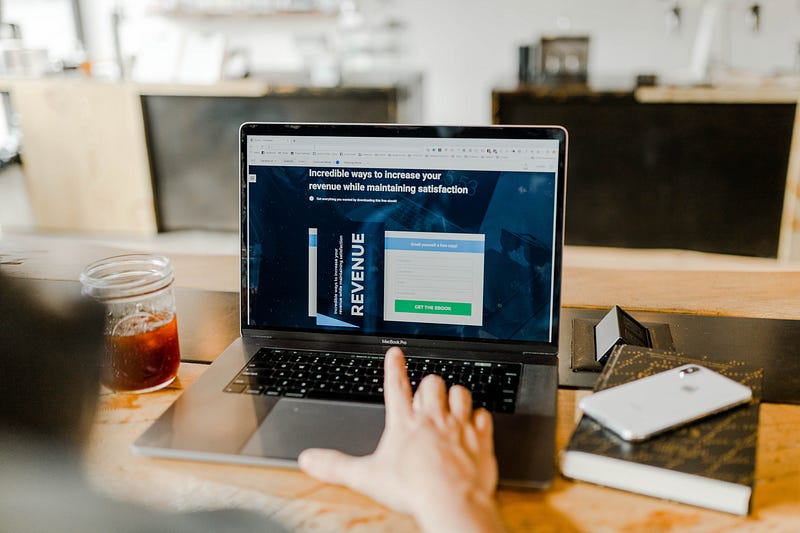
Photo by Austin Distel on Unsplash

Make sure your ad and sales page talk about the same thing.

Let me give you an example.

Imagine you run a carpet cleaning business…

If your ad targets individuals seeking “deep cleaning services” and they click through to your sales page, it’s important to explain on your sales page why you excel in deep cleaning and how you go about it.

If your sales page doesn’t do this, visitors will quickly lose interest and leave your website.

Offering eco-friendly cleaning, budget-friendly solutions, or same-day service options won’t capture their attention because they are specifically looking for an expert in deep cleaning their carpets.

That’s why they landed on your sales page.

Therefore, your sales page should focus only on deep cleaning services.

Should Your Sales Page Focus on Just One Positioning?

Photo by Jon Tyson on Unsplash

Many clients ask me this when I suggest focusing on a single positioning, and I completely understand their concerns.

They want to show they can do many things.

Now, let me clarify…

I’m not saying you can’t position yourself as an expert in multiple areas.

However, when it comes to converting prospects into customers, your sales page should focus only on one key positioning. Your sales page needs to address what your potential customers are looking for.

That’s why they visited your sales page in the first place.

They want to know how you can solve their SPECIFIC problem.

For instance, imagine you have a headache, and you visit a pharmacy. The pharmacist offers you two tablets — one designed exclusively for headaches and another claiming to relieve all body pains.

Which one would you choose?

Naturally, you’d opt for the tablet that directly targets your headache because it offers a precise solution for your headache problem.

So, your customers think the same way.

They only pay for a service they believe is designed EXCLUSIVELY for them and can solve their specific need…

That’s why focusing on one positioning on your sales page is important.

How to Invest $3,000 to Acquire Customers

Photo by Blake Wisz on Unsplash
  • Allocate $1,000 for creating 5 Ad Copies and 1 sales page copy.
  • Set aside $500 for testing ad copies.
  • Invest the remaining $1,500 in ads.

That’s all you need to do to attract customers.

This entire strategy is data-driven, not based on assumptions. By collecting and following the data, you’ll achieve the results you’re looking for.

In Summary

If your ads aren’t bringing in customers, try this “Ad Positioning” strategy.

Do it right, follow the data, and you’ll get customers.

This strategy works for dropshipping, e-commerce, and service-based businesses, and I still use it for all of them.

I’m Harvey, the copywriter who can help you ATTRACT NEW CUSTOMERS through a powerful positioning strategy.

Contact me at [email protected].

Money
Business
Marketing
Facebook Ad Campaigns
Google Ad Words
Recommended from ReadMedium