
If Google doesn’t see your Blog, it doesn’t exist! (An SEO Guide)

I saw the above statement in one of the hundreds of videos I’ve consumed over the last few days to upscale my SEO game. And this one struck a chord with me because it’s the harsh truth. (Also, I thought it would make for a banger title).
But think about it, if the blog post that you wrote with all your enterprise and aspirations doesn’t appear on the first page of Google, does it exist? Technically, it does, but who even goes to the second page?
Now that AI tools like ChatGPT and Google Bard have entered the scene, things have become more complicated on the SEO front. As a result of that, people are not even scrolling to the bottom of the first search results page.
You can get well-tailored answers to almost all your queries on these platforms. But that doesn’t mean that people have stopped Googling altogether.
The point is, you need to be there at least on the first half of the search results page, or else your content is as good as dead.
How to make Google rank your content?
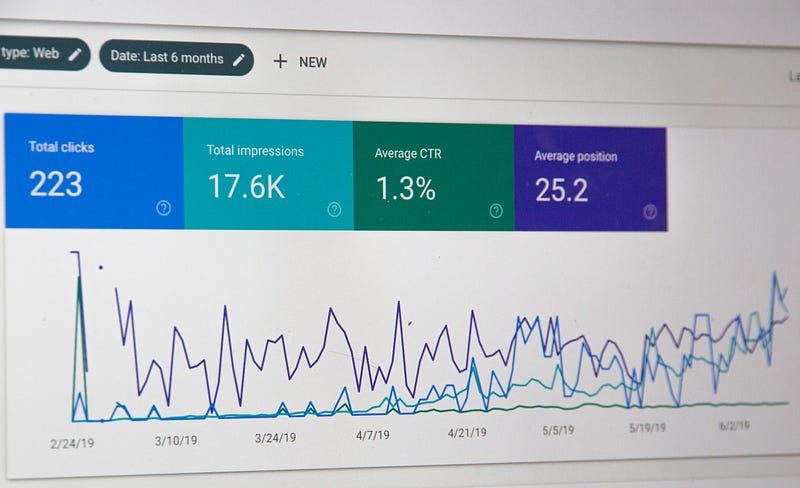
You simply can’t skip the basics when it comes to making your content rank. You see, SEO is a game of radicals. If you get the fundamentals right, consider yourself to be on the right track.
But since things have become even more competitive, you have to go the extra mile to improve the visibility of your content.
You need to keep the following points in mind:
- Quality Content is Key: While SEO is crucial, it’s important to remember that content is still king. Google’s algorithms are designed to prioritize websites with high-quality, relevant, and valuable content. Focus on creating informative, engaging, and well-written blog posts that cater to your target audience. Make sure your content is unique and provides value that encourages readers to share and link back to your blog.
- Keyword Research:

Keywords are the life support of your SEO. You must pay attention to the focused keyword of your content and put an ample amount of it but make sure it fits into the context.
For that, you need to: - Conduct thorough keyword research to identify the terms and phrases your target audience is searching for. - Use keyword research tools to find relevant keywords with high search volume and low competition. - Incorporate these keywords naturally throughout your blog posts, including in titles, headings, meta descriptions, and within the body of the content.
- On-Page Optimization: Optimizing your blog’s on-page elements is crucial for search engine visibility.
-Ensure your blog posts have descriptive and keyword-rich titles. -Structure your content with headings (H1, H2, etc.) to improve readability and help search engines understand the hierarchy of information. -Optimize meta descriptions to entice users to click through to your blog from search engine results.
- Mobile-Friendly and Responsive Design: With the increasing use of mobile devices, having a mobile-friendly and responsive blog design is imperative. Google considers mobile-friendliness as a ranking factor, so ensure your blog is optimized for various screen sizes. Use responsive design techniques to provide a seamless user experience across different devices.
- Website Speed and Performance: Website speed is crucial for both user experience and search engine rankings.
-Optimize your blog’s loading speed by compressing images, minifying code, and leveraging caching techniques.
-Use tools like Google PageSpeed Insights or GTMetrix to identify and resolve speed-related issues.
- Build High-Quality Backlinks: Backlinks, which are links from other websites to your blog, are one of the most important ranking factors.
-Focus on building high-quality backlinks from reputable and relevant websites.
-Guest blogging, creating valuable content that others want to link to, and engaging with your industry’s online community will indefinitely help you earn quality backlinks.
- Social Media Promotion: Social media isn’t just for socializing (said nobody ever). Leverage the power of social media platforms to promote your blog and drive traffic.
-Create social media profiles for your blog and share your content regularly. -Encourage readers to share your posts on their social media accounts.
Increased social media engagement can indirectly improve your blog’s visibility in search engine results.
- Regularly Monitor and Analyze: Stay up to date with the latest SEO trends and algorithm changes.
-Monitor your blog’s performance using tools like Google Analytics. Analyze key metrics such as organic traffic, bounce rate, and average session duration to identify areas for improvement.
-Adjust your SEO strategies accordingly to optimize your blog’s visibility over time.
What works and what doesn’t in SEO?
SEO is a sophisticated field. You must understand that it’s more of a marathon than a sprint.

You need to take small, calculated steps and you’ll get there gradually. Don’t try to rush it. It is not something that solidifies overnight.
That being said, there are a few key practices that you ought to know to do genuine and effective SEO for your content. Let’s have a look:
- High-Quality Content: This one is a no-brainer. The higher the value of your content, the more value it provides to the users. Therefore, creating valuable, informative, and well-researched content that meets the needs and interests of your target audience is indisputable. Content should be original, and engaging, whilst solving users’ problems/queries, period.
- Keyword Research: We talked about it already. To recap- Conduct thorough keyword research to identify relevant keywords and phrases that users are searching for in your niche. And use these keywords strategically in your content, titles, and meta descriptions.
- On-Page Optimization: While off-page SEO techniques are important, on-page is simply vital. Optimize your website’s on-page elements, including titles, meta descriptions, headings (H1, H2, H3), and image alt tags, to make it clear to search engines what your content is actually about.
- Mobile Optimization: Make your website mobile-friendly, as mobile usability is a significant ranking factor, especially after the mobile-first indexing update.
- Page Speed: You must improve your website loading speed by optimizing images, using a Content Delivery Network (CDN), and minifying CSS and JavaScript files. A good site speed can do wonders for your SEO strategy.
- Backlinks: Build high-quality, relevant backlinks from reputable websites in your industry. Guest posting, influencer outreach, and content marketing can help in this regard.
- Technical SEO: Fix technical issues on your website, such as broken links, and duplicate content, and improve website architecture to make it easier for search engines to crawl and index your site.
What Doesn’t Work (or is Risky) in SEO:

In the race to get there, do not indulge or ignore the following practices, which if you may will make your SEO take a nosedive in no time:
- Keyword Stuffing: Overusing keywords unnaturally in your content can result in a penalty from search engines. Keep it moderate and relevant.
- Low-Quality Backlinks: Acquiring low-quality or spammy backlinks can harm your site’s reputation and rankings. Aim only for reputed sites, if your content serves the purpose, you’ll get those backlinks.
- Duplicate Content: Using duplicate or plagiarized content, either within your website or by copying from other sources, can lead to ranking issues quickly. Always double-check your content for plagiarism. You can use free services like DupliChecker, Grammarly, or smallSEOTools. I’d suggest investing in a comprehensive paid plagiarism tool as free tools are not always accurate plus there’s a limited word count as well.
- Cloaking: Presenting different content to search engines than what users see is a deceptive practice that can lead to penalties. You don’t need me to tell you that, do you?
- Link Farms: Engaging in link schemes, such as link farms or buying links, is against search engine guidelines and can result in hefty penalties.
- Ignoring Mobile Optimization: I am once again asking you to go mobile-first. Neglecting the mobile user experience can lead to lower rankings, given the increasing importance of mobile devices.
- Black Hat SEO: Engaging in unethical or manipulative tactics, such as cloaking, hidden text, or keyword stuffing, can lead to severe penalties.
Keep in mind though, what works and what doesn’t can change over time due to search engine algorithm updates and shifts in user behavior. In the end, it all boils down to how well-equipped you are with the current trends and how well you adapt to digital changes.
Ranking on Google’s first page is not rocket science but it’s not easy either. You need to know the SEO game inside out to make better decisions and get your content up there. Thus, if you follow the proven techniques and stick to the plan, your content will rank (albeit gradually).
I hope you got something useful in this blog to implement into your SEO strategy. Feel free to share your thoughts and anything I missed or maybe that could be done differently in the comments.
Until then, Happy Optimizing!