
If Generosity Went Viral: A World-Changing Idea
Imagine a world where generosity becomes contagious
Imagine a world where generosity becomes contagious, spreading like wildfire and reshaping the way we interact. Chris Anderson, the head of TED, delves into this possibility, exploring the profound impact of infectious generosity on a global scale. Anderson shares stories from around the world, illustrating the potential of the internet to amplify small acts of kindness, creating a ripple effect of positive change.

In challenging the notion that generosity is too insignificant to confront the world’s challenges, Anderson draws attention to the invisible yet powerful forces that have disrupted the global economy. He emphasizes that size is not a prerequisite for influence; what matters is the infectious nature of the force at play.
Anderson poses a thought-provoking question: What if generosity could be the prevailing force in our interactions, replacing anger, upset, and fear with waves of kindness across the planet? Reflecting on his personal journey, shaped by his mother’s profound generosity, Anderson recounts TED’s decision to freely share its content online, leading to an unexpected viral phenomenon.

In the connected era, Anderson argues that the rules governing what we give away have fundamentally changed. The ease of sharing meaningful contributions on a limitless scale, coupled with the invaluable currency of reputation, prompts him to propose a new mantra for the connected age: “Be brave. Give what you can, and then be absolutely amazed at what happens next.”
He introduces the concept of a generosity mindset, highlighting stories like Lydia Tarigan’s, who, as part of a social experiment, generously distributed a financial gift to others in need. Social psychology professor Elizabeth Dunn’s experiment, in collaboration with TED, revealed a surprising human trait — the innate tendency to respond to generosity with generosity.
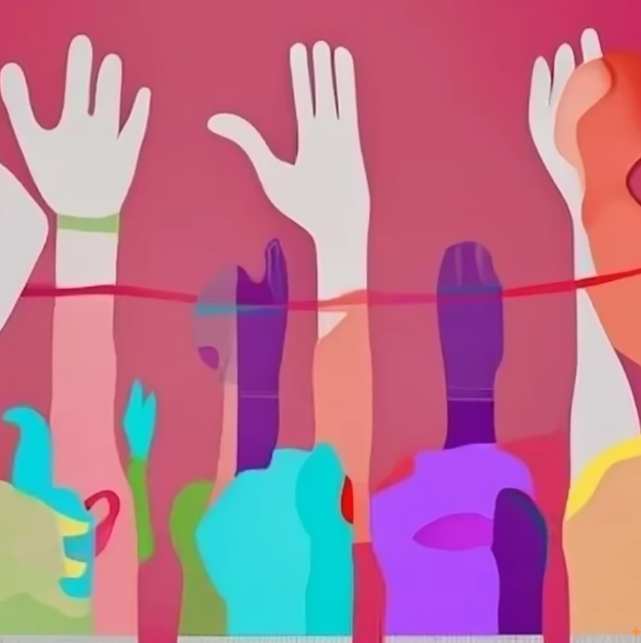
Anderson contends that, in the connected age, there are diverse ways to give, extending beyond monetary contributions to include gifts of time, attention, hospitality, and simple acts of kindness. The key, he suggests, is cultivating a generosity mindset that involves paying attention to things that may typically go unnoticed.
Drawing on real-life examples, such as John Sweeney’s impactful encounter with a woman in need, Anderson underscores the transformative potential of generosity. He explores the factors that contribute to making something go viral, emphasizing the role of authentic human emotion, creativity, and courage.
Unlocking authentic human emotion, unleashing creativity, and displaying courage emerge as key drivers in making generosity infectious. Anderson shares inspiring stories, such as Catherine Barrett’s creation of “The Kindness Pandemic” during the early days of the pandemic, showcasing the power of positive emotion to spread virally.

Creativity, exemplified by initiatives like the Japanese friends turning neighborhood cleanup into a samurai-themed video, plays a pivotal role in sparking people’s imagination and amplifying the impact of generosity. Anderson highlights the courage displayed by individuals like Daryl Davis, who bridged divides and persuaded over 200 people to leave the Ku Klux Klan.
Combining emotion, creativity, and courage, Anderson contends, can lead to a transformative viral impact. He introduces individuals like Amy Wolf, who used signs to address suicide statistics in her hometown, and Dylan Marron, who engaged with his online critics to create a powerful podcast series.

In emphasizing the infectious nature of generosity, Anderson acknowledges that perfection should not be the filter through which we view acts of kindness. Instead, he urges us to focus on the good in people and to celebrate the positive impact of infectious generosity.
Reflecting on the unpredictability of the journey of infectious generosity, Anderson pays tribute to his mother, who recently passed away, leaving him with the enduring wisdom that commitment to generosity leads to meaningful companions — meaning and happiness.
As a call to action, Anderson urges individuals to engage in acts of generosity, whether big or small. He invites everyone to be part of the infectious generosity movement, fostering positive change in their communities. In a world yearning for kindness, Anderson envisions a future where the pendulum swings towards a more generous and compassionate society, leaving an indelible mark on history.


