If Empathy Enhancement Worked, Could Psychopaths Be Trusted?
Scientists test Virtual Reality as a tool to enhance empathy in sexual offenders
If you have been unfortunate enough to come close to a person with no empathy, you might know what I mean when I say you can see it in their eyes. Victims sometimes refer to it as blackness in their eyes, but I see it as nothingness. There is nothing in them that resembles a soul, a conscience, or humanity.
But what if we could awaken humanity in them?
History of previous violence is the best indicator of future violence. Attitudes towards women and sexuality are formed early in life. We know sex offenders are motivated more by a need for power and control than anything else. How could VR change this?
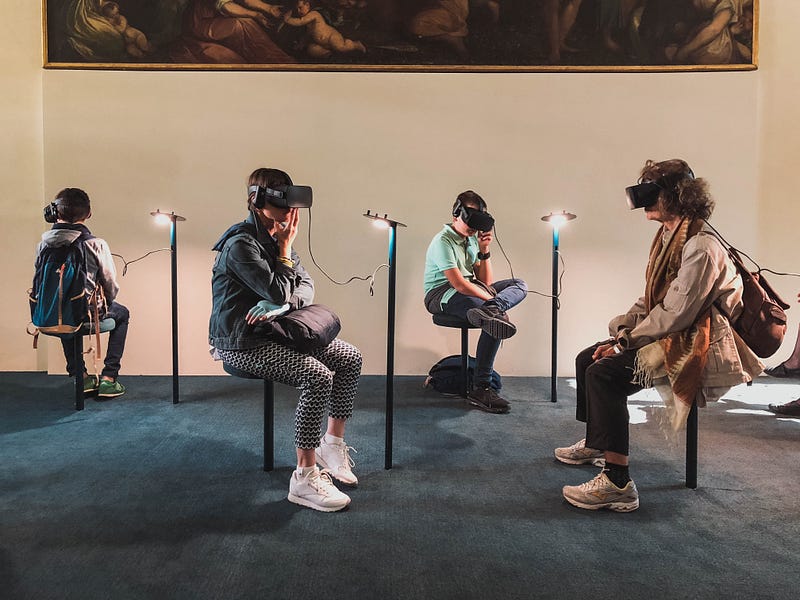
Researchers have been trying virtual reality as a tool to enhance empathy in sex offenders, and with some promising results. It has been referred to as an ‘Empathy Machine’. Offenders were given the victim’s role to ‘experience’ what they had done (within the limits of ethics).
Program participants reported significant increases in empathy toward rape survivors and significant declines in rape myth acceptance, likelihood of raping, and likelihood of committing sexual assault.

To think that one day we could teach empathy. The academic in me was thinking, ‘wow, that’s amazing, this could change so much!’. The sceptic in me, the one that’s been through trauma and seen the true horror human beings can inflict on each other was thinking, ‘Oh, jog on. I’m not f*cking falling for no empathy rehabilitation’.
Psychopaths, sociopaths and narcissists are highly manipulative. How do we measure a genuine change in individuals who can already imitate empathy? What about other cases where there’s no evidence of psychopathy (I’m thinking of Chris Watts), and the lack of empathy was not an underlying ‘symptom’ to be corrected?
Imagine if Ted Bundy hadn’t been executed and instead gone through an empathy rehabilitation program. Would anyone trust him around campus girls? What if you were raped and told your perpetrator had now learnt empathy? Would you trust a convicted paedophile around your children?
I suppose the question comes down to whether people can truly change. It’s about trust and forgiveness — and you can gain neither of these without genuine remorse. Can a psychopath ever be genuinely remorseful?
We used to think that empathy is something you’re born with or without. Then we believed that you could be born with it and then lose it through adverse childhood experiences (sociopaths and narcissists). But it’s been accepted that once you’ve lost it, it’s gone, and you’re a danger to others because empathy guides morality.
Can we trust a video game tool to change this? I’m not convinced.