
If Advertisers Convinced People They Smelled, Then…
The Power of Advertising for the Common Good
If advertisers can persuade people for everything, let’s use their supra powers to change the world!
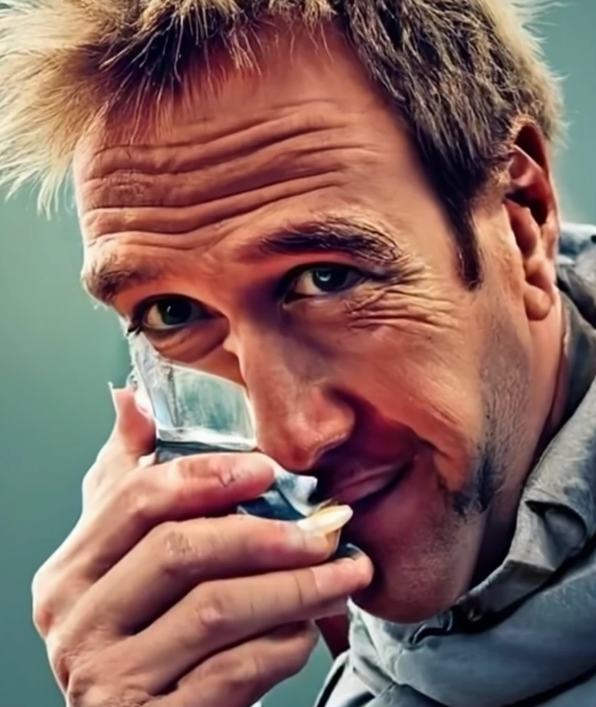
In the early 20th century, deodorants and antiperspirants were niche products facing societal resistance. Edna Murphey, who invented Odorono, inspired by her surgeon father who used a substance so that his hand do not sweat, struggled to market her product until a hot summer in 1912 increased interest.
However, Odorono had issues like skin irritation and clothing stains due to its acid suspension. To boost sales, Murphey hired advertising agency J. Walter Thompson Company, which assigned copywriter James Young. He shifted the marketing strategy, portraying perspiration as a social faux pas in need of remedy.
Young’s radical approach caused controversy but significantly increased Odorono sales. Competitors adopted similar strategies, expanding the industry’s reach. Over time, deodorants became ingrained in daily grooming routines for both men and women, evolving in delivery systems and formulations.

Advertising, a powerful tool shaping our perceptions and habits, could have revolutionary effects if employed for purposes beyond the realm of commerce. Imagine, for a moment, a society where advertisers convinced Americans that they can change the world. What would happen?
Let’s envision a scenario where advertising promotes climate change as the primary concern. If our attention focused on the environmental impact of our daily choices, urging people to adopt more sustainable habits, the pressure for change would intensify. Advertising could highlight the environmental consequences of everyday decisions, encouraging individuals to embrace eco-friendly alternatives.

Furthermore, advertisements could mobilize the public for issues concerning society and justice. If our spotlight shifted to topics like poverty, education, and equality, society could move towards real, structural changes. By prioritizing the needs of the less fortunate, advertising could contribute to a more compassionate and cooperative community.
Consider the possibility of a world where advertisements endorse kindness and solidarity. If our media emphasized the importance of empathy and collaboration, communities could strengthen, and the needs of the disadvantaged could become a top priority. The influence of advertising, when redirected for the common good, has the potential to bring about significant positive change.

It is undeniable that the power of advertising plays a crucial role in shaping our perceptions. If we were to redefine this power for the greater good, substantial change would be inevitable. The lingering question remains: Are we ready to harness this power to bring about the necessary change our planet requires?
Also, we wonder, who will be their employer?
#Deodorant marketing history #Evolution of antiperspirant advertising
#James Young advertising strategy #Odorono sales growth
#Social perceptions of perspiration
SOURCE:
How Advertisers Convinced Americans They Smelled Bad | History| Smithsonian Magazine