
Ice Cubes: Coping With Mental Illness
Fiction
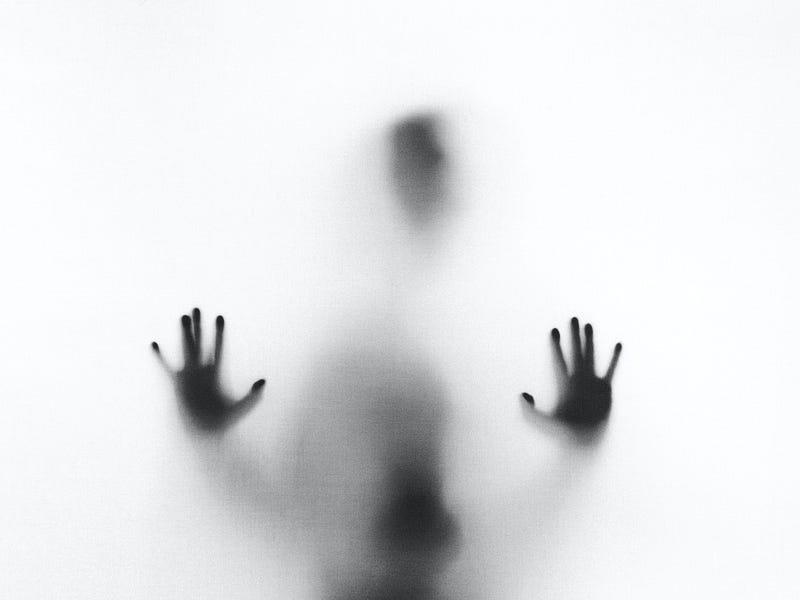
After studying psychology at Syracuse University, I worked in a locked, inpatient, psychiatric ward at the Beth Israel Deaconess Medical Center. This fictional story is based upon my experience at the hospital.
Internal demons
‘Do I want to die today, or do I want to live? Why did they find the damn razor I taped to my body? My pain is burning pieces of my soul. I want the void inside of me to disappear. Please make these daggers dancing in my head stop. I cannot stand this anymore!’
My eyes close, imaging warm, red blood oozing down my wrists, saturating my hands, dripping onto the floor. I want to feel the utopia I experience when the knife cuts deep into my skin.
‘No! Today, I want to live.’ I try harder, fighting the sea of hurtful emotions. ‘Today, I will live.’
These were the inner voices whispering in Sarah’s ears, as she sat upright in her hospital bed, clenching her fists, trying to release her inner turmoil. She gripped the ice cubes harder, trying to soothe her misery. The coldness of the ice felt like knives slashing her palms. Droplets of water trickled onto the floor. The more pain she felt, the more she relaxed. Sarah welcomed the torment. Inflicting physical pain upon herself helped her forget. This is how she battled her demons. Physical suffering made her human.
Sarah’s prison
Sarah stared at the yellow walls of her prison. Her gaze shifted to pensive eyes, which were fixated on her. Those eyes were gentle, promising Sarah she would be safe from herself. She resented those eyes. If they stopped watching her, she could scratch her wrists and reopen the wounds she inflicted upon herself the day before.
Sarah welcomed the idea of seeing her blood replace the puddle of water on the floor. She wanted to substitute the coldness of ice with the warm flow of red fluid. The water symbolized her life, which she was being forced to save. Blood was the kiss of death, tempting her to end her suffering.
Those damn eyes. They watched her. If she tried to proceed with her plan, a code would be called. Doctors, nurses, and mental health counselors would be summoned to stop her. She would be strapped to a bed and drugged on medication. Damn those doctors! Drugged up and unable to hurt herself. Helpless to end the anguish within.
Suicidal ideation
Sarah clenched her hands tighter and tighter, as she thought back to the events of yesterday. She had confided in her psychiatrist and told him about visions of taking her life. Sarah described how she could see the glint of the knife, as it slid down her body. Her soft, peach skin would drown in red fluids, ending her misery. Did she tell her psychiatrist so he could save her? Damn. Right now, all she wanted was for her agony to end. Harder, she squeezed her ice cubes, drowning out her inner thoughts.
Rules and freedom lost
One moment, Sarah had been at her psychiatrist’s office. The next minute, she was strapped to a stretcher. Sarah had been heavily medicated and incoherent of the blazing sirens, speed of the ambulance navigating rush hour, and voices of the EMTs, whispering soothingly to her. She had been in a dream-like state, when taken to her prison.
At the hospital, Sarah was put in a locked unit. This morning, she learned the rules. There were no windows. No smoking was allowed, inside. If one wanted a cigarette, he/she needed to earn the right to venture outside on a 15-minute, supervised break. Sarah had been stripped of her freedom to breathe fresh air. She was trapped. However, her jail was not the psychiatric unit. Her jail was her inner voice. She was locked inside her head. Sarah could not escape her whirlwind of emotions or thoughts of depression. These beasts imprisoned her.
At the hospital, Sarah had been evaluated by the on-call psychiatrist. She was placed on five-minute checks. This meant a staff member would check on her every five minutes to ensure her safety.
Trouble erupts
Sarah had a plan. Under her shirt lay her escape. After she settled in, Sarah headed for the bathroom, lifted her shirt, and removed the razor taped to her body. Next, she proceeded to slash her wrists with the sharp blade. All of the sudden, she heard a knock on the door. A voice murmured, “checks,” and the door opened.
A code was called, and Sarah was taken to “The Quiet Room.” This room is designated for those who are in danger of hurting themselves or others. Sarah was placed on constant observation. This meant a hospital staff member watched her 24 hours a day, including bathroom breaks. Sarah’s freedom evaporated. Her source of cutting had been confiscated. She was forced to explore her internal traumas.
Feeling safe
Sarah clenched her hands tighter and tighter around the ice, as her mind wandered back to her present. She noticed her hands were numb and had lost all feeling. The urge to feel a sharp metal slide against her wrists had left her. She was feeling safe again. The ice had released the right chemicals in her brain, which caused her to experience the same pleasant state of mind Sarah felt when she cut herself. Ice cubes had worked.
Sarah looked at the eyes of the nurse who protected her, smiled, and said, “I am safe.” The nurse smiled back. Sarah fought her inner turmoil and won. Determination, the will to survive, ice cubes, and people who care saved her. One day at a time. This is Sarah’s reality.
Note: Ice cubes were a tool we used at the Beth Israel Hospital to help patients overcome moments of wanting to inflict self-harm.
To explore this technique, check out Therapy Chicago’s “The Ice Cube Trick” and Harley Therapy’s “Feeling Suicidal or Like Self-Harming? Techniques to Stop Distress.”


