
iAnxiety: Is Your Smartphone Causing Mental Distress?
Life in our digital age has never been more convenient. With a few swipes, taps, and clicks, we can hail a ride, order a meal, or catch up with a friend halfway across the globe. Smartphones have revolutionized our daily lives. But amidst this tech-driven utopia, there lurks a pervasive shadow: iAnxiety.
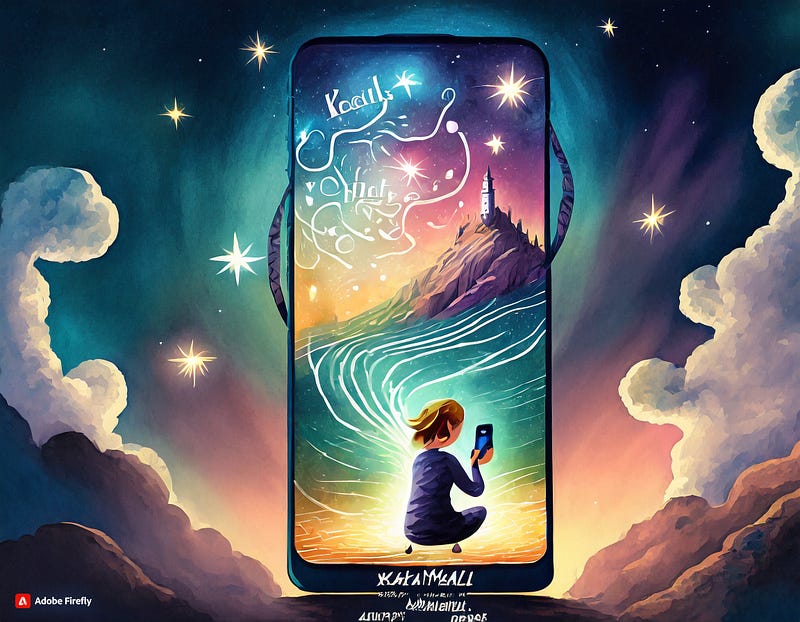
What exactly is iAnxiety? It’s that constant buzz of nervousness and mental distress that’s intrinsically linked to our modern gadgets, particularly our smartphones. Before you shrug this off, let me paint a picture with some personal anecdotes, eye-opening research, and insights from my journey as a digital wellness advocate.
A Day in My Digitally Saturated Life
Every morning, I used to wake up to a barrage of notifications. Emails, messages, reminders, social media alerts — you name it. Instead of starting my day fresh and focused, I’d often get caught up in a whirlwind of digital tasks. By evening, my eyes would burn from screen fatigue and my mind would be overwhelmed by information overload. Sound familiar?
The issue wasn’t just physical discomfort; it was deeper. A low hum of anxiety accompanied me wherever I went. Every ‘ding’ from my smartphone made my heart race a tad bit faster, and the FOMO (fear of missing out) was real. What if I missed an important message? What if I didn’t respond quickly enough? The ‘always on’ mentality took its toll.
iAnxiety: More Than Just A Personal Tale
Now, you might be thinking that my story is merely an isolated case. However countless research studies have demonstrated that I’m far from alone.
- Sleep Deprivation: In a study conducted by the National Sleep Foundation, it was found that the majority of Americans check their phones within an hour of waking up and before going to bed. This affects the body’s natural circadian rhythm, leading to poor sleep quality. Insufficient rest, in turn, exacerbates feelings of anxiety.
- Compulsive Checking: A typical smartphone user checks their device 63 times a day, according to a research report from Asurion. This compulsive behavior often stems from a fear of missing out, and the anticipation of notifications releases dopamine — a pleasure hormone. When this stimulation is absent, we feel restless and anxious.
- Social Media and Self-Esteem: Platforms like Instagram and Facebook often portray idealized versions of reality. While scrolling, we’re bombarded with pictures of perfect bodies, opulent lifestyles, and ‘happy’ relationships. This can lead to feelings of inadequacy, low self-worth, and anxiety.
Breaking the Chains: My Journey to Digital Well-being
Aware of the profound impact my smartphone had on my mental health, I took proactive measures to combat iAnxiety.
- Digital Detox: I started with small breaks from my phone during the day, gradually building up to full-day detoxes. These tech-free periods helped me reconnect with my surroundings, read more, and engage in physical activities.
- Mindful Usage: Instead of mindlessly scrolling, I started questioning the purpose behind each digital action. Was I checking Instagram out of boredom or seeking validation? Was I texting out of genuine need or mere compulsion? Such mindfulness made me more aware of my digital habits.
- Prioritizing Human Connections: I began to prioritize face-to-face interactions over digital ones. Instead of texting, I’d call. Instead of reacting to social media, I’d engage in deep conversations with loved ones.
You’re Not Alone: A Global Push Towards Mindful Tech Use
Many people are now realizing the detrimental effects of unchecked smartphone usage. Tech giants, too, have become part of the solution. Apple’s “Screen Time” and Google’s “Digital Wellbeing” tools are examples of how the industry is addressing the issue.
Final Thoughts
Smartphones, like all tools, are not inherently good or bad. Their impact on our lives depends on how we use them. If you’ve been feeling the weight of iAnxiety, remember that you’re not alone. It’s a collective experience in this age of relentless connectivity.
But here’s the silver lining: recognizing the problem is the first step to reclaiming your mental peace. It’s entirely possible to enjoy the benefits of technology without succumbing to its downsides. Your journey to a balanced digital life, free from iAnxiety, starts today.
……………………
I hope you enjoyed this article! If you did, please consider following me, subscribing to my newsletter, and sharing it with your friends. Your support means the world to me.