
I Wrote a Poem Every Day for a Month — Here’s What I Learned
This 30-day poetry challenge is one of the best things I’ve ever done for my creativity.
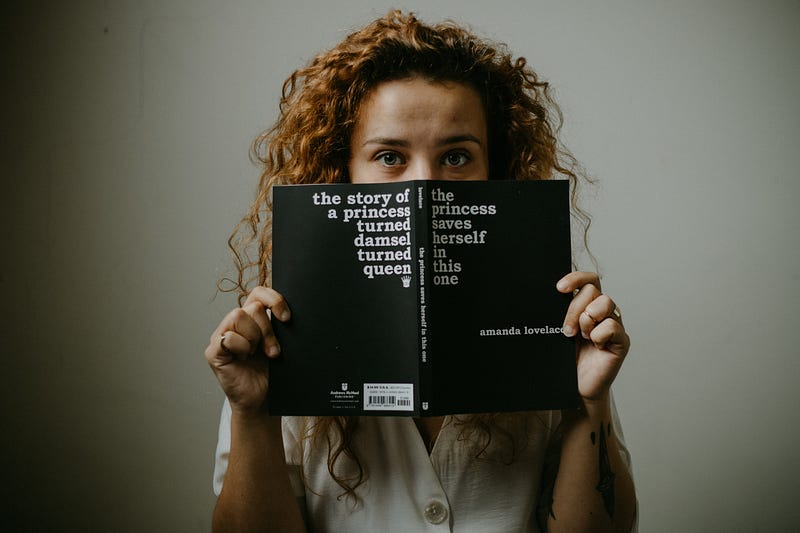
Since childhood, poetry has been one of my closest friends. I turn to it whenever I need an emotional release. My childhood journal, a spiral notebook with a glittery butterfly on its green cover, is filled with poems and songs fueled by rage, sadness, guilt, and heartbreak.
When writing became my job, I wrote less poetry. My hands were busy bringing articles, blog posts, and website copy to life. I prioritized the projects that paid. Creative endeavors fell to the wayside.
I became overwhelmed by the “rules” of being a professional writer. Everyone and their momma wants to tell you the right way to write — especially on the internet.
My motivation took a nosedive. Writing, the activity I had loved since I was a child, became something I loathed.
What was missing was what drew me to writing in my childhood: the freedom to be myself. I needed a place to create that was far from the constricting rules of writing professionally.
Again, I turned to poetry. When the new year began, I dedicated myself to a 30-day poetry challenge. During these 30 days, I learned so much about myself as a writer, creative, and overall human being.
Dealing with the anxiety of my creative process
After I get an idea for a piece of writing (article, book, short story, poem, etc.), I spend a lot of time preparing to start. I find scientific research. I worry. I brainstorm titles. I worry. I read articles. I worry some more.
What I’m not doing is writing. I can spend months in the preparation stage and still never start.
During my 30-day poetry challenge, I wanted to make a habit of starting. When I wrote each poem, I tried to write about the first thing I could think of.
After choosing my idea, my anxiety would reveal itself. In my mind, my anxiety is a cold, petty white woman — like Angela from The Office. She says, “This is a terrible idea. Who do you think you are? Please, please, burn this piece of paper you’re writing on. Write something people actually want to read.”
Day by day, I pushed through this initial anxiety and kept writing. I wrote a lot of poems about a lot of things. Topics included being tired, fog, sunshine, satin bonnets, and doing laundry.
Not letting anxiety paralyze me has helped me grow more confident as a writer. I try to find value in all of my ideas — whether they’re “good” or “bad.”
Creating a habit that sticks
Developing a new habit is one of the many life skills that are extremely important but no one tells you how to do them — like doing your taxes.
My 30-day poetry challenge involved a lot of tinkering to create a routine that worked for me.
The routine I ended up with:
Minutes after waking up, I wrote a poem in my mini-notebook. Each poem is at least three stanzas long. Some poems are longer than others, but three stanzas is my minimum. I go with the first idea that comes to mind and write.
Weeks later, I came to the point where ending a day felt weird without writing a poem. I missed a few days but didn’t let breaking the perfect streak break my spirit.
Why I think it worked:
1. Writing one poem a day is a small-time commitment. It takes five minutes or less.
2. It was during my morning routine. Since I already have a list of things to do, I can just add the habit to the list.
3. I wrote them by hand in my notebook. If I used my phone or computer, I probably would have gotten distracted by the internet or social media a lot.
Creating an environment that took my current schedule into consideration gave me a better chance at success.
Giving myself the permission to play
I had been professionally writing for so long that I forgot how fun it was to just play with words. I wrote without regard for other people’s expectations or rules.
I just let my creativity run free. I was honest with myself — and ended up being surprised by the results.
For example, I wrote two poems about unicorns. I never knew I liked unicorns. Even as a kid, I wasn’t into them like that.
Below is one of the poems I wrote, unedited, titled unicorns.
is there a unicorn under my bed? I smell it sometimes a mixture of froot loops and purple kool-aid
there’s glitter on the floor I can’t explain it but when I look under the bed I can’t see anything
when we fall asleep where does the unicorn go? does it gallop away looking for someone else to play with?
I didn’t care about this poem when I wrote it. But, looking back, I like it. It’s surreal. It’s weird. It asks a question I’m still pondering over; where does the unicorn go?
I spend a lot of time writing for clients — making their vision come true. In the endless hustle, I had lost a sense of what I truly enjoyed. You just never know what brings you joy until you give yourself the space to play. And, for me, one of the things that bring me joy is unicorns.
Conclusion
During my 30-day poetry challenge, I got in touch with the core of my true self: the space that just loves to create. I don’t want to ever lose sight of my love for creating ever again.
Everybody, especially professional writers, needs a space to play. When you make your creativity a commodity it can be difficult to separate work from play — but it is possible. You’ve just got to take the time and space for it.
It may be writing fanfiction about your favorite television series. It could be creating a comic book. It could be baking. It doesn’t matter what it is.
All that matters is that you have the freedom to create away from the expectations and rules of others.
It doesn’t mean you should never show this project to anyone else. It doesn’t mean you can’t monetize it down the road. But — you should have a safe space to create and play. It’ll teach you more about yourself than you’ll ever know.


