
I Write for Robots
Many of us do
I am a writer. It is not because I make my living by writing. I am a writer because I have been writing since as far back as I have been able. And not because someone asked me to write, but because I felt like it. I loved and needed to write, and I still do. But every now and then comes a patch of time that I do not write. And all the things I planned to write are lost, hidden behind ideas that are new, but not always better.
If you have been writing for any length, these times of transition have probably happened to you. I call them transitions because it is usually what these patches are. Transitions between relationships, between moods, between homes or jobs, or a transition of wisdom from youth to maturity, from defiance to acceptance — or its reverse. In those moments the words are slow to come, and the will to write resists.
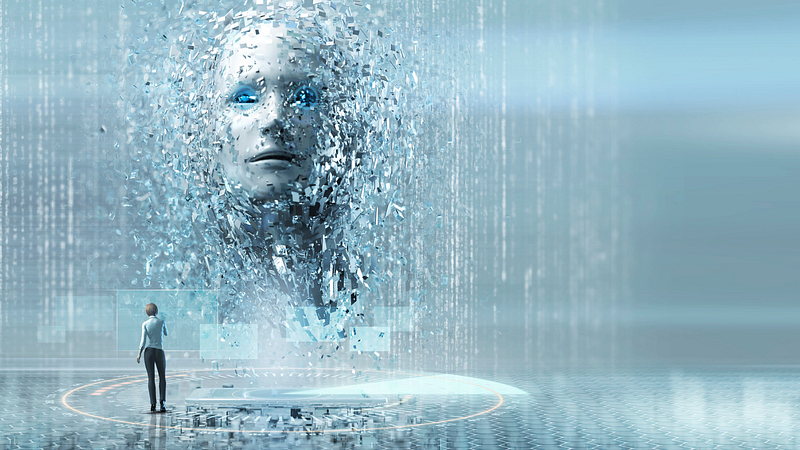
These days I am dealing with a transition of purpose, as I struggle to know my audience. Am I writing for myself, an audience of one, or am I writing for others, an audience of many? Should I bare my soul, or should I add to the pop articles of the day? Who will actually read my work? Another human? Or some pseudo-souled algorithm?
In my youth it was much easier to write. No rules, no judgement. Just lots of pages full of words, paragraphs and snippets of stories. Perhaps silly, but so, SO precious. In those days it was all practice, capturing ideas that excited me and attempting to portray them in my best words without ruining the moment. My only hope was one day others would read my stories with the same excitement I had when writing them, to give them a little joy, a little pleasure they could carry for awhile.
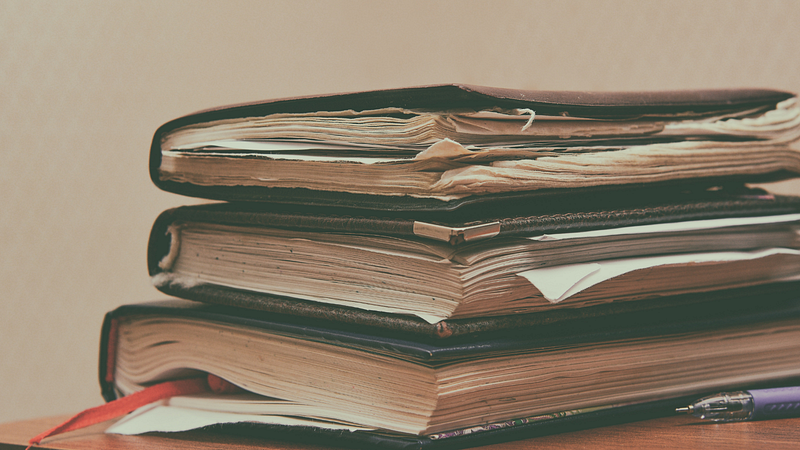
At times, when my courage was in bloom, I would present one of these stories to a family member or a friend. I would come up to them, my sweaty palms on a notebook with frayed edges and a worn cover and ask, “Want to read something I wrote?” Then I would hand over my insides.
This is how it was in those days. Visibility was minimal, but the rewards still seemed infinite. I fell in love with writing then, but after all these years, do I still love it the same?
My writing has evolved from pen and paper to typewriters and word processors. To word processing programs, to online blogs, to writing platforms. With each new tool came a learning curve, and I feel each one has improved the presentation and distribution of my work, but it has not always been fun. The changes come quick, and I am left to contend with the moods, the whim, and the will of the ever-evolving medium.
Do not misunderstand me. I dabble in harnessing the power of SEO. I attempt to use links, backlinks, and cross-pollination. I debate the effectiveness of click-bait titles and pictures, and I scramble to find titles and pics with even the most remote connection to what I wish to convey. I do this in the hope of catching the eye of the greedy yet gracious google index and, of course, the almighty algorithm. I arrive with fanfare, stand proud before them, but humbly request. “Take me to your reader.”
Is this concerning to anyone?
Forgive me for extrapolating in such a negative manner, but surely there is so much content being produced on a daily basis that it is beyond the scope of a human, or even a vast network of humans to sort through. It seems logical we would be better off handing over control of this content to some sort of automated program — the more sophisticated the better. And as we ease our burdens by relinquishing more and more control, I cannot help to think the path to domination begins with a single act of acceptance.
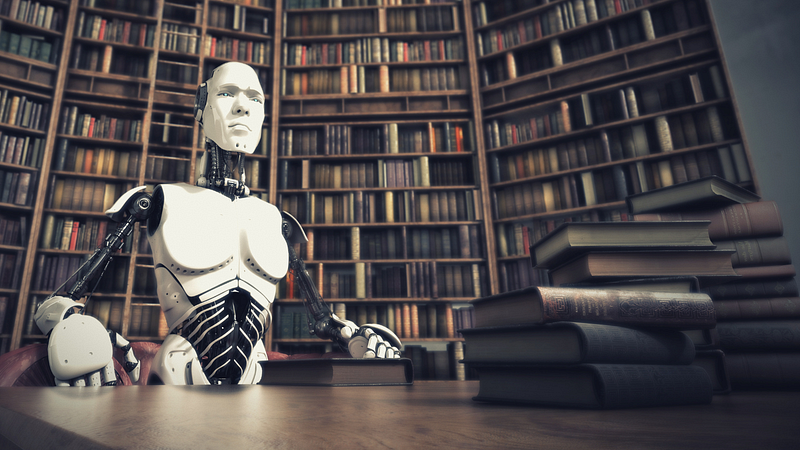
No, we aren’t there yet. I believe there is still plenty of time to turn away from the cold path, and preserve the human touch. But for now, with so many of us learning the way of the algorithm, it is hard to see it changing anytime soon. While this transition takes place, and until the medium evolves into something else, I must come to terms with an alarming truth — I write for robots.
Many of us do.
Most of us want our words to mean something, to live on beyond us. We don’t want them fading into obscurity and forgottenness inside the same tattered notebook in which we first wrote them. We do what we can to give them the best chance of survival, to achieve curation to a broader audience, even if it means obliging the electronic entity of the day.
Slowly over time, however, we are becoming embedded in the age of the algorithm. And so far we have continued with a cavalier approach, countering the algorithm like a mystery or puzzle to be solved. The danger of acquiring marks in the win column against the algorithm is that we become dependent on its judgement.
And even if the entrance to this mass content processor is paved with the best of intentions, can we trust it to lead us to fulfillment? To allow us the freedom to observe and express as we see fit?
I fear one day humans, not just writers, will bow down and whisper a prayer.
“Oh, Almighty Algorithm! Your hand be upon us. That You may guide us to what is good.”
On that day I will transition back. I will hobble over to the nearest human, my sweaty palms on a notebook with frayed edges and a worn cover and ask, “Want to read something I wrote?”
And what words would I have for this algorithm, this artificial judge in the new dawn?
“Curate this!”
Thank you for reading. You can subscribe to my future content here. I share my articles on Leadership and Management and their application to your world on my publication, The Endeavor Perspective. You can also check out my fantasy and fiction publication, A Bit of Madness, as well as its non-fiction counterpart, A Bit of Genius.