I Would Not Say, “Thank You For Your Service” Before…
Dancing Elephants Press Veteran’s Day Contest
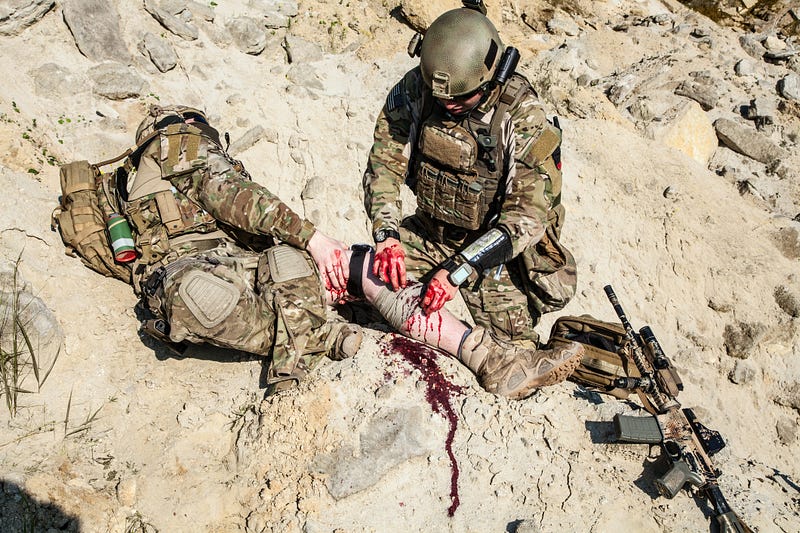
“May I sit with you?” If yes, then I would ask, “Is it alright to ask you about your injury and time in the service?”
I would not offer a platitude or automatic response. I would not look away nor would I stare.
If I get a yes, then I proceed with: “Please tell me what you would like me to know. How did this injury occur and how are you now?”
I would wait patiently for answers before filling in the spaces between us. I would not say:
“Oh I know what you mean. I know how you feel.”
If he or she asks me “Why do you want to know?”
I would say, I am asking because my free and democratic life is a result of military men and women giving so much.
“I want to hear your story because my life and millions of others have benefited from your experience. It is not enough for me to say: Thank you for your service. I want to know about your experience and what you might want me to know about you.
You are the veteran in front of me now. You took the hit to protect my freedom. I hope that in my listening to your story, you can feel my humble gratitude and my desire to go beyond the platitudes. So tell me anything you want me to know not just the acceptable story line.
I can listen to the pain even though I do not know firsthand about yours. I can be a safe space to express anything you might feel. I owe you that and there is no obligation to accept my offer.”
And after I have listened without interrupting or adding my interpretations or sentiments, I would then inquire about government services and supports. I would want to know if he or she had experienced red tape. I would want to know what would make their current life better or easier?
We all have the impression that the government takes care of our wounded soldiers and that non-profits help wounded soldiers but, this is not always the case. From state to state, and office to office there are discrepancies in how we care for veterans. Much needed services are not always readily available.
The Bureau of Labor Statistics reports as of
August 2022, 4.9 million veterans, or 27 percent of all veterans, had a service-connected disability and insufficient care in the VA hospitals or related services?
It is horrible that so many suffer poor or lack of services. It is not right. We cannot take our freedom for granted and we must do better to help the people who have given so much. Then we can genuinely say,
“Thank you for your service.”
Author Phyllis Haynes is an award winning documentary producer, and host of Profonde.TV. Please follow on Medium.


