

FLINT & STEEL WRITING CHALLENGE
I Work in Full Circle
When you’re doing the same things over and over again
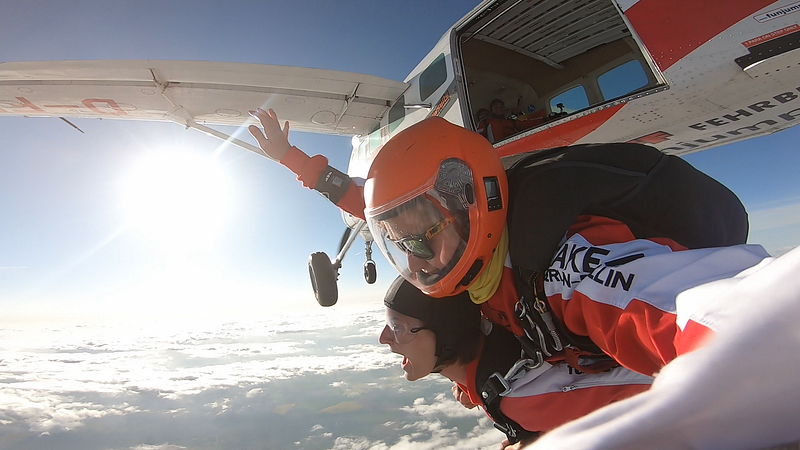
Life comes in full circle. There are more circles in your days than you notice. Every day a new circle opens up. Some get closed pretty quickly, others take years before they come full. And some never get finished because they shouldn’t.
When thinking of the prompt “full circle” my mind went everything else but in a circle. The ideas of what to write about were plentiful. But none fully convinced me to start typing immediately.
Until I thought of work. And my daily life. There’s nothing more circular than the work I do.
Sometimes I do the same circle up to 10 times a day. Yes, you can call it routine. But somewhere routine is a circle too.
Let me start at the beginning for those new to my page. I’m a skydiving instructor. I jump out of planes for a living. Six days a week. Falling from the sky is my daily bread. And circle.
It all starts when I get called to the office. I pick up the forms and call the name of my first passenger for the day. I introduce myself while we walk to the tandem center.
This is now where all of the preparation happens. The customer gets a suit to put on and I put him or her into a safety harness. While doing so I talk to them getting a feel for how nervous or scared they are.
Then I explain to them what we’ll be doing together and what their body position will have to look like once we leave the aircraft. If they understood everything, they’ll sign a form and so do I.
From now on we have a contract.
I take them up and down.
They listen to what I say.
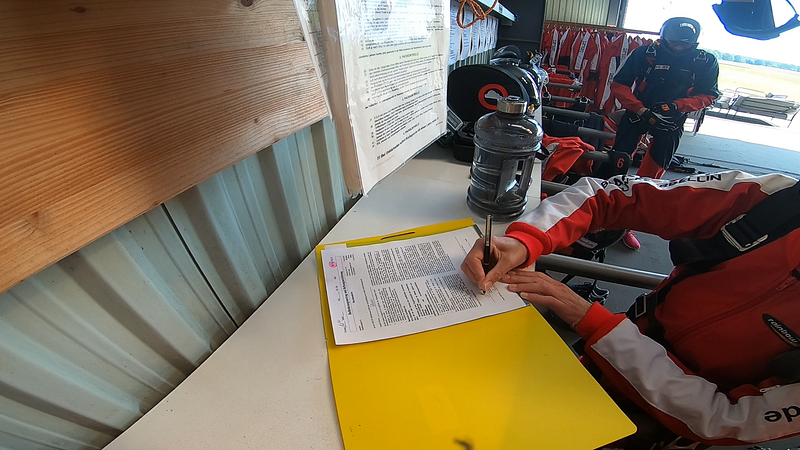
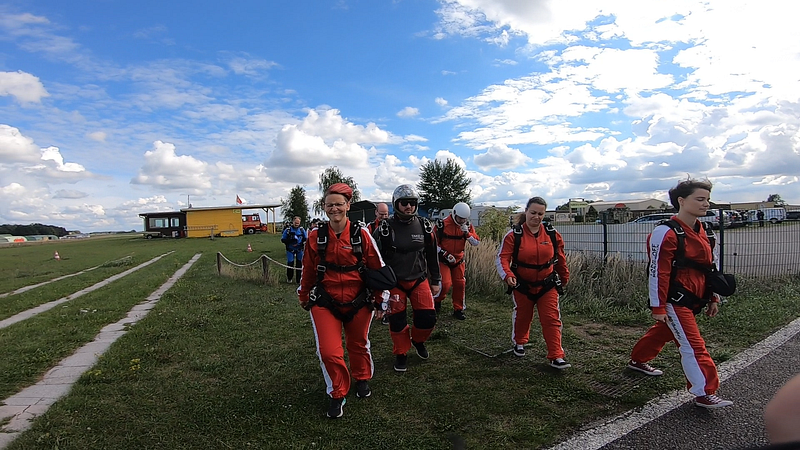
As the speakers announce the “five minutes to boarding” call, I put the parachute on my back (just about 25kgs) and walk towards the plane. If the passenger had booked a video, I’ll start with the interview and some entertaining talks.
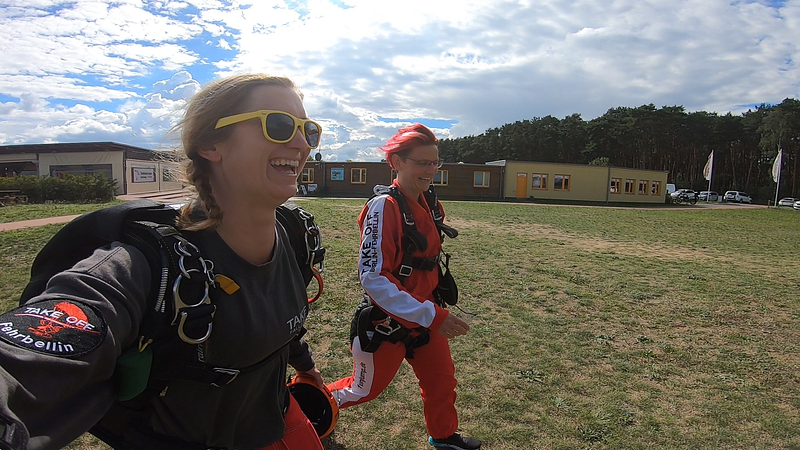
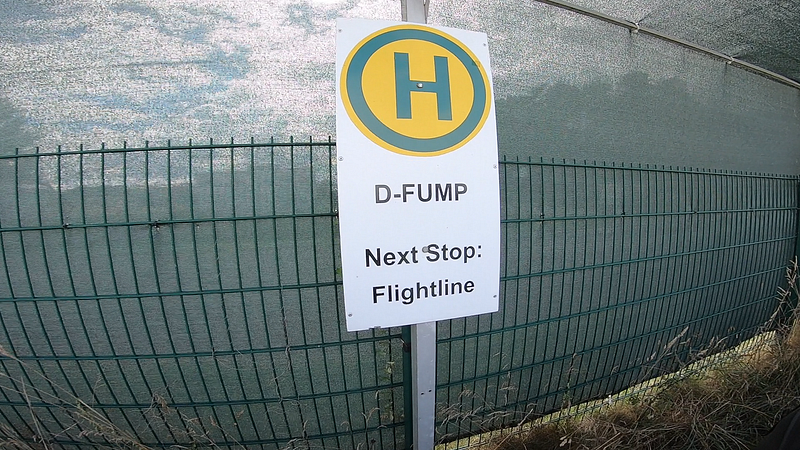
On the airfield, we now sit down at the “bus station” to wait for the plane to arrive.
Then it all goes very quickly. I take my passenger on the side because nervous humans tend to do stupid things like walking into a moving propeller.
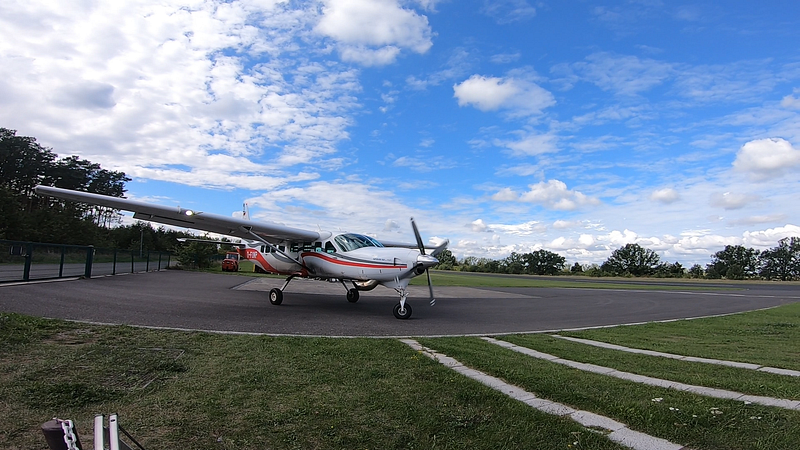
I film my passenger walking to the plane and take one quick picture in front of it. Then we all get into the plane, I attach my passenger to myself and connect the seatbelts.
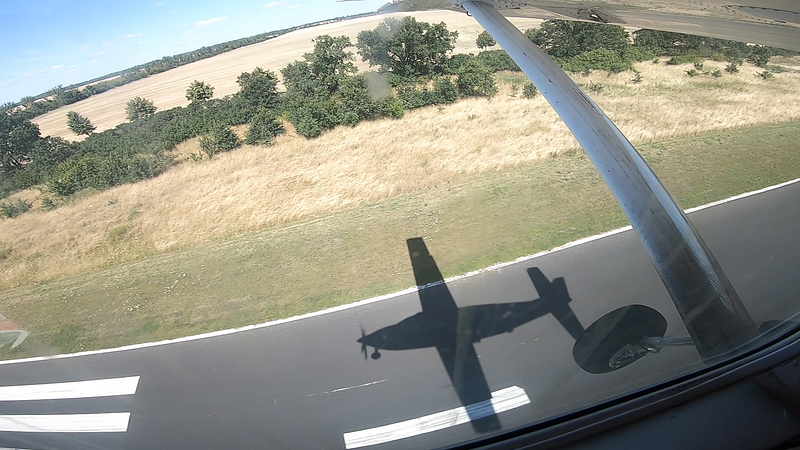
Time for take-off.
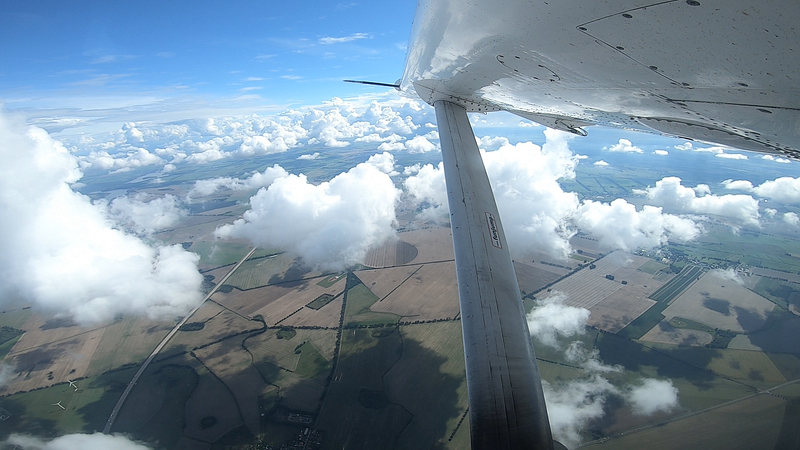
Then I’ve got about 15 minutes to enjoy the view and look out of the window. I’ll repeat the instructions for the passenger two more times during the flight up as well and point out pretty landmarks if any are to be seen.
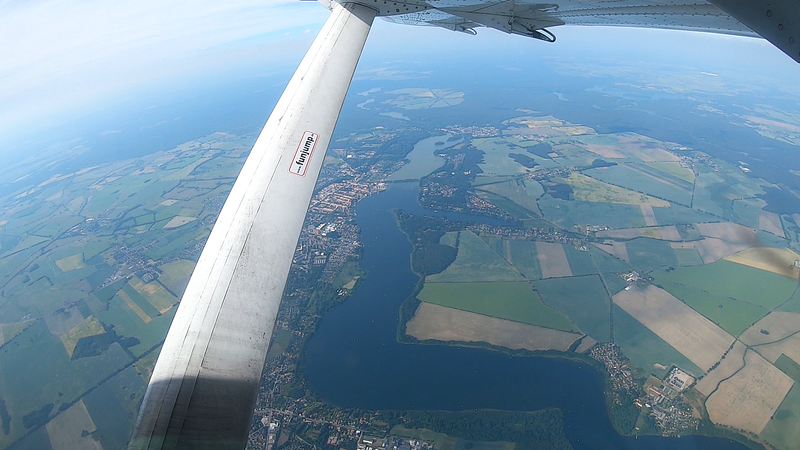
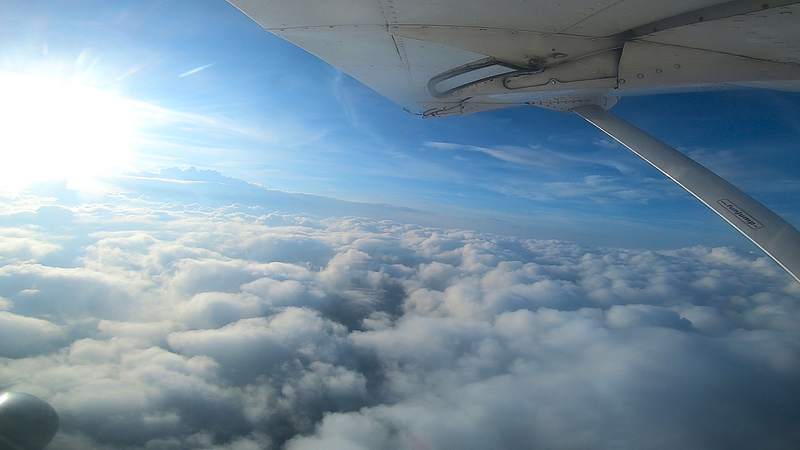
Then I fully tighten all the straps and connect the passenger with 4 hooks onto myself and the parachute. It’s the time when those who weren’t nervous up until now, get nervous and I can feel their heart racing since we’re so close to each other.
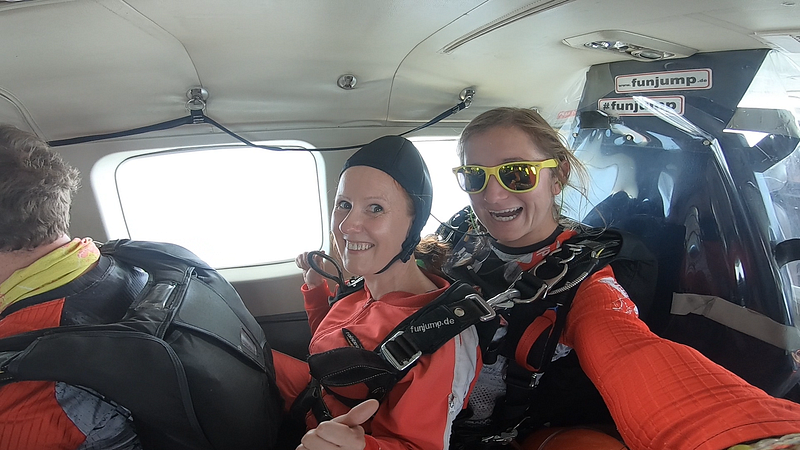
As the light switches to green in the back of the plane, all skydivers will move down and jump behind each other. Tandem skydivers are usually the last ones.
I move the connected package down the bench and onto the floor. I tell my passenger to put the feet under the plane and the head back on my shoulder. It’s now when they freak out.
I look back into the plane, say cheers to the rest, and lean forward.
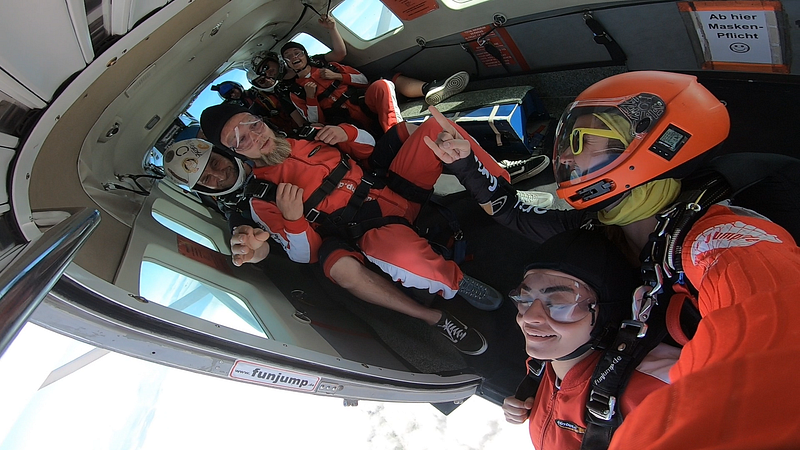
The rest is called gravity.
We’re falling now at approximately 200kph.
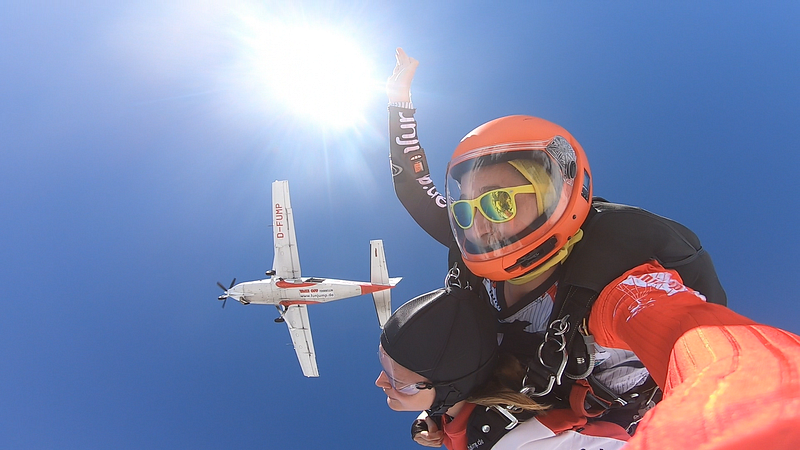
I move my left hand around to get the passenger's face on film but also to include the surrounding views.
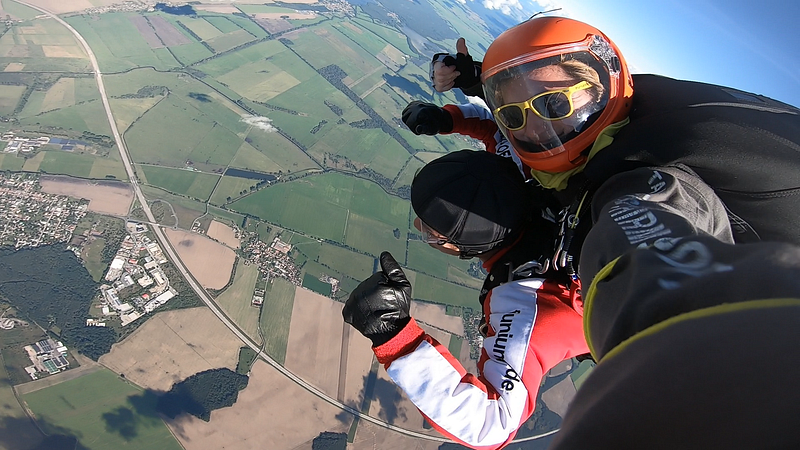
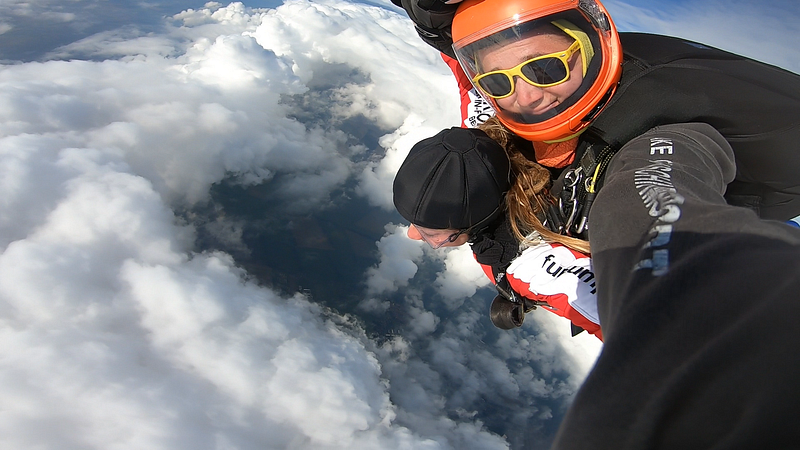
As we reach a certain altitude, I open the parachute and watch it as it unfolds. When it’s about halfway open and I’m fairly convinced the canopy is going to work I start talking to my passenger again to calm them from the exhilarating freefall.
I finish the final checks on the parachute while my passenger is starting to realize he/she has survived the skydive.
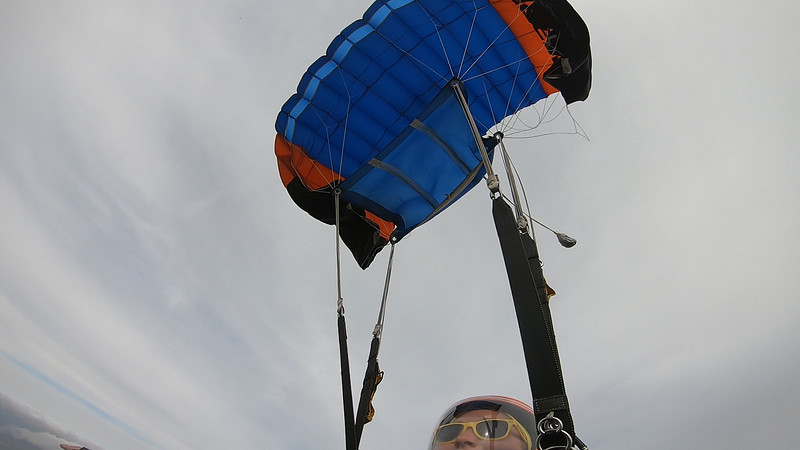
Now it is still important to practice the landing since it’s where people get hurt. In most sports. When impacting with the ground.
I give my passenger the exact commands I’ll give later when landing.
Knees up.
Hands in the knees.
And bring your legs up, as high as you can.
Hold.
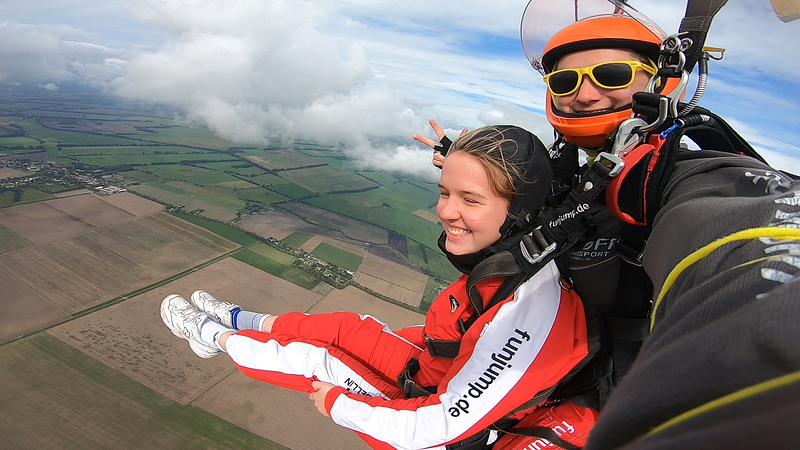
Then it’s playtime. I hand over the steering toggles to my passenger and let them play. They can turn right and left and I just help when they don’t have the strength to fully pull through or if I need to steer us to the landing zone.
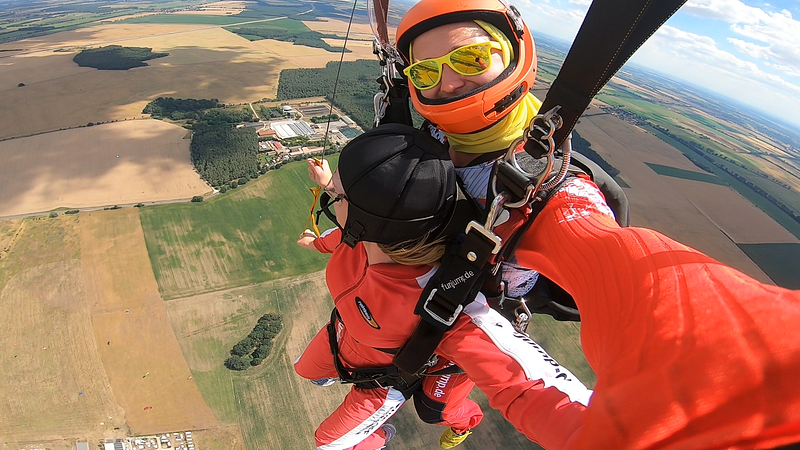
At about 500 meters above the ground, I take over the control of the parachute and prepare for the landing. After the final turn, I say the commands as practiced in the air and if necessary shout them out loud.
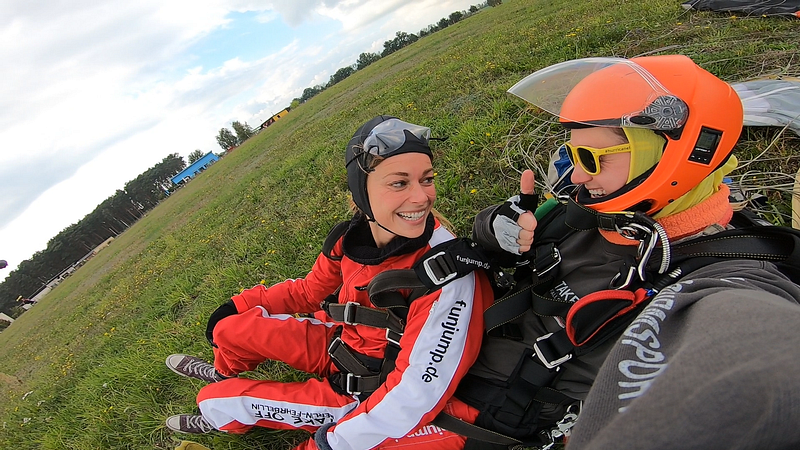
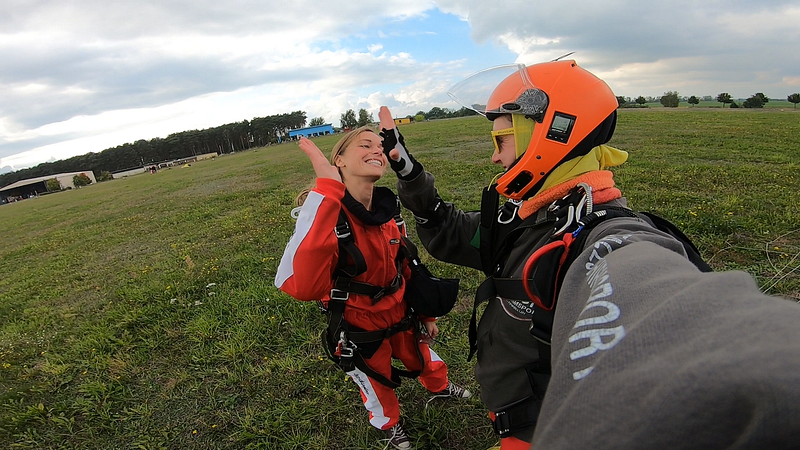
Then I try my best to slow down the parachute while flying into the wind to create the smoothest landing possible.
And now it’s when I can see my passenger's face again. After disconnecting the hooks again I can see their smiling face. It’s what is so rewarding about this job.
I make people happy.
And then?
I pick up the parachute, walk back into the tandem center and greet my next client to start it all over again…
This is where the first circle closes and the next one opens again. I went up to 4000 meters (13,000 ft) and landed back on my feet again. My altimeter shows zero. But not for long.
And yes, this gets mentally and physically draining when you do it 10 times in a row. It all depends on the passengers you get. Some are easy clients, some are hard work.
“Those who don’t jump will never fly.” — Leena Ahmad Almashat
This is a prompt response to the Flint & Steel writing challenge of autumn 2020. Thank you Ellie Jacobson for the inspiration.
“Challenging You To Write Full Circle”
More about my skydiving adventures:
Join my email list here if you would like to read more travel essays or sign up for the Medium membership to receive unlimited access to my and other writers’ stories out here (I will receive a commission fee in return).