
I Wish I Could Buy My Son a Little Boy
Someone who would be his friend for life.
I remember when my dog Shakespeare died. My Malti-poo and his partner, a black and white rescue terrier named Maleah, were best buddies. They always hung together, played together, and slept together. When he died, Maleah was lost. She was so lonely. She didn’t know what to do.
Eventually, when it didn’t look like she would pull out of her depression, I found her a rescue kitty to love. A feral kitten that my friend rescued from her backyard.
Maleah was in heaven. She had her very own kitten to focus all her attention on and was able to pull out of her depression.
As I’m sitting here in an empty office with my five-year-old, Jacob, while we wait for my eight-year-old, Silas, to get done with the counselor, I’m thinking, I wish I could get Jacob a little boy that would be his very own buddy like the kitten was for Maleah.
You see, Jacob has Fetal Alcohol Spectrum Disorder, FASD. It happened because his biological mother drank alcohol when she was pregnant. It doesn’t matter if it was one drink or if she drank through the entire pregnancy. If a mother consumes alcohol during anytime the baby is developing in utero, there is a risk of brain damage. So he struggles with emotional regulation, his executive functions are severely out of whack, and he cannot control his impulses. He is the sweetest little kid until he is anxious, and then he explodes. It can be scary.
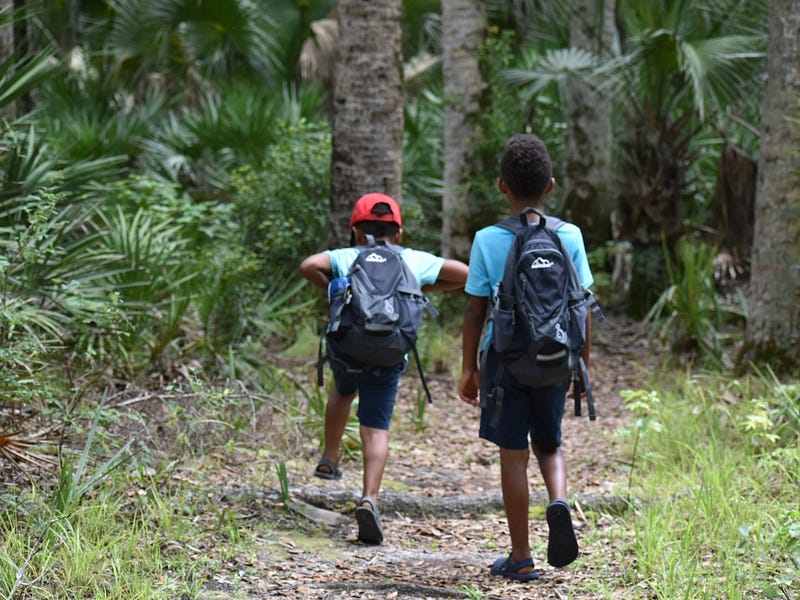
As Silas took his turn to see the counselor, Jacob ran to hug him and said, “I will miss you, Silas.”
“But why?” Silas said with a smirk on his face. “I’ll only be in the room next door.”
My little boy has no friends. He doesn’t know how to make friends. His proprioceptive system is so out of whack that his physical touch can be painful to other kids. He just doesn’t know how much pressure he is applying when he taps somebody.
The proprioceptive system is responsible for movement, action, and location. Without proprioception, you wouldn’t be able to move without giving your full attention to what you are doing.
Someone with a proprioceptive disorder will have poor balance, uncoordinated movement, and can appear clumsy. This is exactly how Jacob is. But his biggest struggle is recognizing his own strength. When he plays and wrestles around with kids, he hurts. It’s not always on purpose unless he goes into sensory overload. So when playing a regular game of tag, he could knock the child to the ground.
This does not help him make friends.
He also doesn’t know how to interact. He tries, but it’s clumsy. He has speech problems and is often hard to understand. He starts off shy, and then when kids walk away, he tries to join in.
He tries so hard.
His brother, Silas, is his best friend. He puts up with all of Jacob’s inadequacies and still loves him. Still plays with him. But he’s growing older and wants to do other things. And watching Jacob get left behind is breaking my heart.
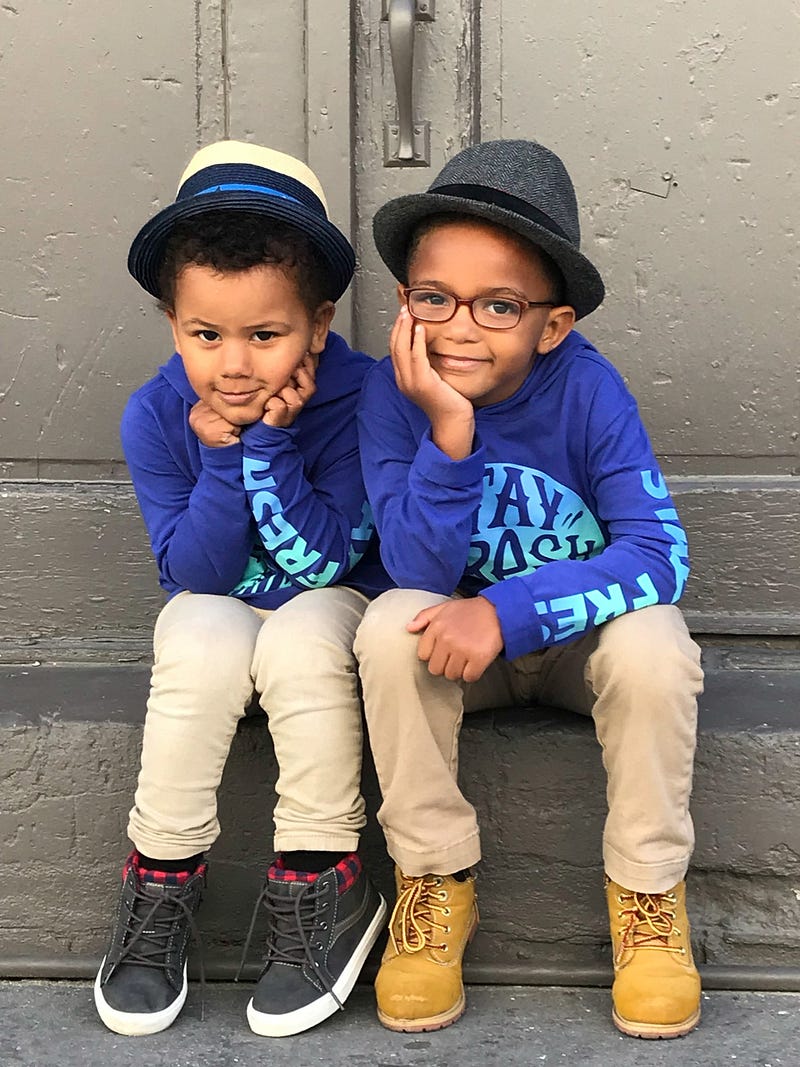
So I found myself sitting here wishing I could get him a little boy like I got Maleah a kitty. So he wouldn’t be so lonely.
The other day I read a post in a Facebook group I belong to for kids with FASD. She wrote three things she wished professionals would understand about parents raising kids with FASD. Though all three points resonated with me, the third one is what stuck out the most.
Our kids want to do well. They are not lazy or liars. They are dysmature. They have regulation, executive function, and anxiety issues. They are trying to self-protect and hide because the world is a scary place, and they know on some level that they don’t fit in. They may feel shame. They need our support, and it is NOT easy.
If Jacob feels afraid or anxious, his brain sends out signals that he is in danger and needs to protect himself, and what emerges is rage.
Yeah… I wish I could get my son a best friend. But even if I could, that friend would grow up, too.
As I write this story, a thought comes to mind. What about a service dog?
I’ve read of some families who utilize a service dog for their children with FASD, and it has worked remarkably.
So maybe I can’t get my son his own little boy. But perhaps I can get him a service dog to be his best friend who will help him feel less alone and open doors for social engagement.
This is something to ponder.