avatarAarti Tailor

Free AI web copilot to create summaries, insights and extended knowledge, download it at here

1348

Abstract

from the cow's udders due to infections. I had to research it more to find out whether this was true.</p><p id="f2bb">According to the PETA website:</p><blockquote id="d453"><p><a href="https://www.peta.org/blog/cheese-make-heave/#:~:text=Cheese%E2%80%94like%20all%20dairy%20products,clogging%20saturated%20fat%20and%20cholesterol.">Cheese — like all dairy products — contains pus from cows whose udders get bacterial infections when the cows are treated like milk machines by the dairy industry</a>.</p></blockquote><p id="fc9a">I researched this a lot more to see if there was more research to back this up and all of the other sites confirmed this too.</p><p id="2f72">As if that wasn’t bad enough there was more on the PETA website:</p><blockquote id="1131"><p>· Many cheeses are made with rennet, an enzyme that comes from calves’ stomach lining. That’s right — the pre-cheese gloop must pass through a simulated calf stomach to start things off. Kinda hard to stomach, isn’t it?</p></blockquote><blockquote id="25e6"><p>· Cheese is crawling with bacteria — some of it harmless, some of it pretty icky. For example, the same family of bacteria that makes Limburger cheese smell so bad, brevibacterium linens, is what makes your feet smell so bad.</p></blockquote><blockquote id="5b1b"><p>· Two words — spray mold. Cheesemakers spray the outsid

Options

e of soft, slimy cheeses like brie with mold to create a white rind. The next time someone tries to shove a brie-slathered cracker at you, you might want to say, “Hold the mold!”</p></blockquote><blockquote id="0b02"><p>· Cheese is loaded with artery-clogging saturated fat and cholesterol. Most varieties derive 70 to 80 percent of their calories from fat, while <a href="http://caloriecount.about.com/calories-cream-cheese-i1017">cream cheese</a> is a whopping 90 percent fat.</p></blockquote><p id="3080">I like to think that I am a tolerant person who doesn’t get squeamish too often but I draw the line at consuming cow pus. Or in the words on the PETA website:</p><blockquote id="fd61"><p>That moldy piece of pus-laced stomach lining.</p></blockquote><p id="a543">Maybe this was common knowledge but I genuinely had no idea about this till yesterday and it horrified me and I am going to make a conscious effort to consume next to no dairy at all from now on and close the gap from being 90% plant-based to 100%.</p><p id="c0d0">This may not be the ideal lifestyle for a lot of people and each to their own, I am not here to judge or try to convert anyone.</p><p id="df15">We all have our limits as to what we will and will not put in our bodies and I have just discovered the trigger I needed to become fully plant-based.</p></article></body>

I Will Never Eat Cheese Again After Finding This Out

This has put me off dairy for life
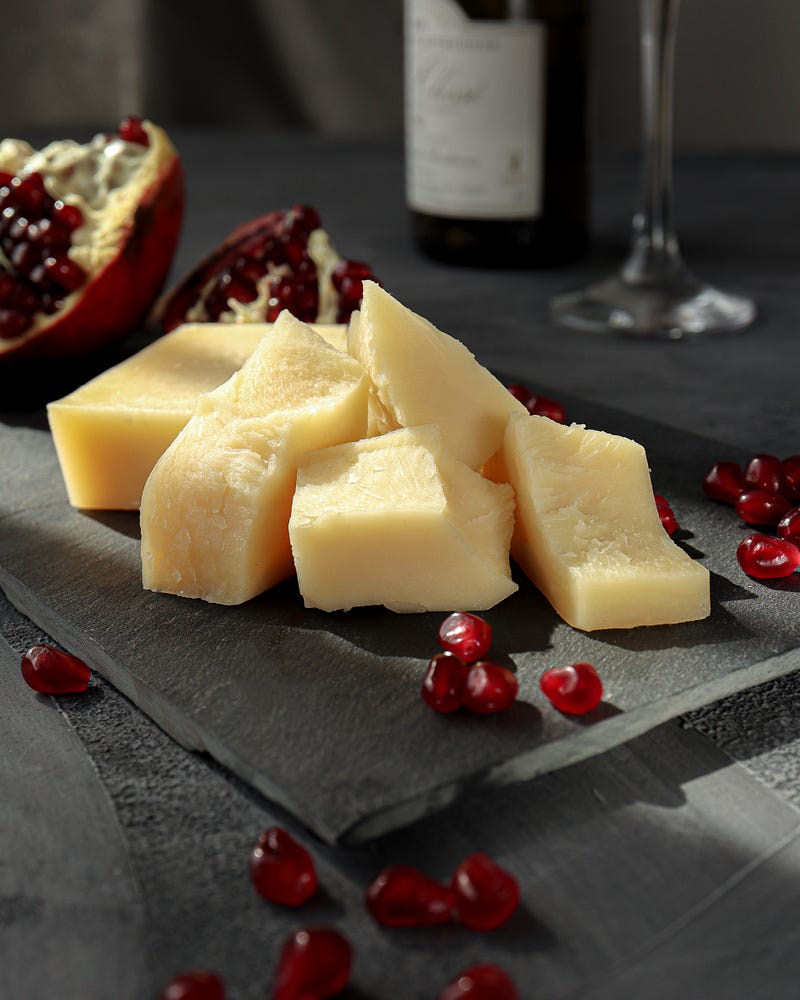
Photo by Aliona Gumeniuk on Unsplash

I am a vegetarian but I will say that roughly 90% of my diet is plant-based.

I am not here to preach the gospel of Vegetarianism and Veganism. I personally despise when people try to shove their way of life down my throat so I will refrain from doing the same.

I consider myself a Vegetarian because there are times that I do indulge in dairy, more specifically cheese so there is no way that I could call myself a complete Vegan.

You hear it a lot, and I have even said it myself. I would love to be a Vegan, but cheese. Cheese is my weakness.

Well after this fact I found out yesterday, there is probably no way in hell that I will be eating cheese again.

So what I heard was actually on a TV show I was watching where someone casually mentioned that cheese contains pus from the cow's udders due to infections. I had to research it more to find out whether this was true.

According to the PETA website:

Cheese — like all dairy products — contains pus from cows whose udders get bacterial infections when the cows are treated like milk machines by the dairy industry.

I researched this a lot more to see if there was more research to back this up and all of the other sites confirmed this too.

As if that wasn’t bad enough there was more on the PETA website:

· Many cheeses are made with rennet, an enzyme that comes from calves’ stomach lining. That’s right — the pre-cheese gloop must pass through a simulated calf stomach to start things off. Kinda hard to stomach, isn’t it?

· Cheese is crawling with bacteria — some of it harmless, some of it pretty icky. For example, the same family of bacteria that makes Limburger cheese smell so bad, brevibacterium linens, is what makes your feet smell so bad.

· Two words — spray mold. Cheesemakers spray the outside of soft, slimy cheeses like brie with mold to create a white rind. The next time someone tries to shove a brie-slathered cracker at you, you might want to say, “Hold the mold!”

· Cheese is loaded with artery-clogging saturated fat and cholesterol. Most varieties derive 70 to 80 percent of their calories from fat, while cream cheese is a whopping 90 percent fat.

I like to think that I am a tolerant person who doesn’t get squeamish too often but I draw the line at consuming cow pus. Or in the words on the PETA website:

That moldy piece of pus-laced stomach lining.

Maybe this was common knowledge but I genuinely had no idea about this till yesterday and it horrified me and I am going to make a conscious effort to consume next to no dairy at all from now on and close the gap from being 90% plant-based to 100%.

This may not be the ideal lifestyle for a lot of people and each to their own, I am not here to judge or try to convert anyone.

We all have our limits as to what we will and will not put in our bodies and I have just discovered the trigger I needed to become fully plant-based.

Health
Life
Vegetarian
Healthy Lifestyle
Life Lessons
Recommended from ReadMedium