
I Will Always Fuck With Sweatpants
Douche-bags can take a hike.
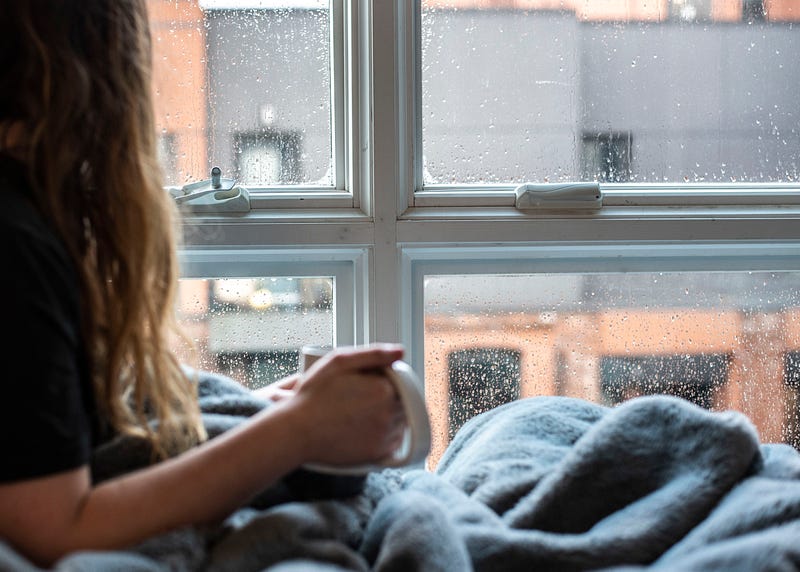
When I imagine an experience of peak coziness, there are many layers involved. Blankets. Warm beverages. Possibly a hoodie. Always sweatpants.
At this point, I don’t think I need to explain the appeal of sweatpants, but just for fun, let’s do it.
They are SO comfortable. Warm. Cozy. Practically a hug for your bum. Add some fuzzy scrunchy socks, and honestly, I don’t know how things could get better for your lower half.
(Just kidding, I‘ve got some ideas, but let’s keep it PG, people)
Wearing sweatpants is a peak experience as a cozy seeker. It’s all about the comfort. Imagine my surprise when I discovered that my former partner despised sweatpants to such an extent that he would often joke about burning them all. I'm not sure what caused him to have such self-loathing tendencies (because who could possibly hate being comfortable that much), but one thing is certain… I personally adore sweatpants and don’t want to live in a world without them.
This pseudo-conflict became a running joke between us. Or so I thought.
There was something about how they looked to him. The elastic ankles drove him crazy, but not in the ways one would hope. They also symbolized having “given up,” as if a person’s only purpose on this planet is to be seen as attractive.
Despite his opinions, I would wear them around the house because I like being comfortable. But if god forbid I ever needed to run an errand, the looks I would get for even considering wearing sweatpants in public, as if that was wildly inappropriate and I was not okay.
I’d always put “real pants” on to go out into the world. I wasn’t a monster, for god’s sake.
During the last month of my marriage, I desperately tried to find parts of our relationship that were salvageable. We had been seeing a therapist, and for months, I had been telling him that my focus was on our emotional connection and being vulnerable with each other. Nothing changed despite repeatedly asking me what I meant by that and giving explicit examples.
I felt alone.
One day, after a therapy session, we went to dinner together, hoping to connect and have some pleasant conversation.
We started talking about putting in effort for each other and what that meant to him. He had previously expressed wanting to go out on more dates and cook meals together, which I had made efforts toward.
Now, he expressed that he had, all of his own accord, made efforts to dress nicely for the last month.
He asked me if I had noticed.
Me: the demisexual neurodivergent person who was grappling with religious trauma and the threat of her marriage falling apart. (More details about that here and here, if you’re interested)
No, I hadn’t noticed.
Did I realize that in those same 30 days, I was in sweatpants every day when he came home?
Again, No.
Did I give a shit? No.
Clearly, he very much did.
I explained that most of my energy had been going to working, making sure I was eating and showering, and trying to keep up with his ever-lengthening list of grievances: we didn’t go on enough dates; we hardly cooked meals together anymore, and now…I wasn’t putting enough effort into my appearance.
Despite my efforts to chase after what he said he needed, he still wasn’t satisfied…and yet I was accused of “gatekeeping” and “goalpost moving” when it came to physical affection I was withholding while we tried to repair our marriage. Projection is funny that way.
Side note: If a man ever accuses you of “withholding” sex…please run.
I felt like I was inadvertently playing a game I hadn’t signed up to play; nobody told me the rules, and I was, unsurprisingly, losing…all while being booed by my teammate.
I know it wasn’t about sweatpants, but it’s interesting how something like an article of clothing can represent our values in relationships. Just like you’re never actually fighting about the dishes…
When I related the conversation about sweatpants to my dad, I used it as an example to highlight the significant differences in values between my spouse and me, hoping it would help him understand why the relationship ended.
His response? “Well, Jennifer, that will be an issue in any relationship. Men are visual creatures.”
BLAH, BLAH, BLAH. Excuse me while I vomit in my mouth.
This is such bullshit. If you, as a man, cannot get turned on by a woman in sweatpants, perhaps the problem isn’t the sweatpants.
This reminder that the two most influential men in my life felt it was my responsibility to look good for my partner sent me into a quiet rage.
I completely reject the notion that I owe someone, ANYONE, a particular presentation of myself.
That wasn’t always the case, and for years, I played the part I was assigned. From being agreeable to keeping my hair and nails nicely done, I knew what was expected of me, and I did what was required to be a “good” woman according to the standards I was raised with.
Maybe she’s born with it. Maybe it’s internalized misogyny.
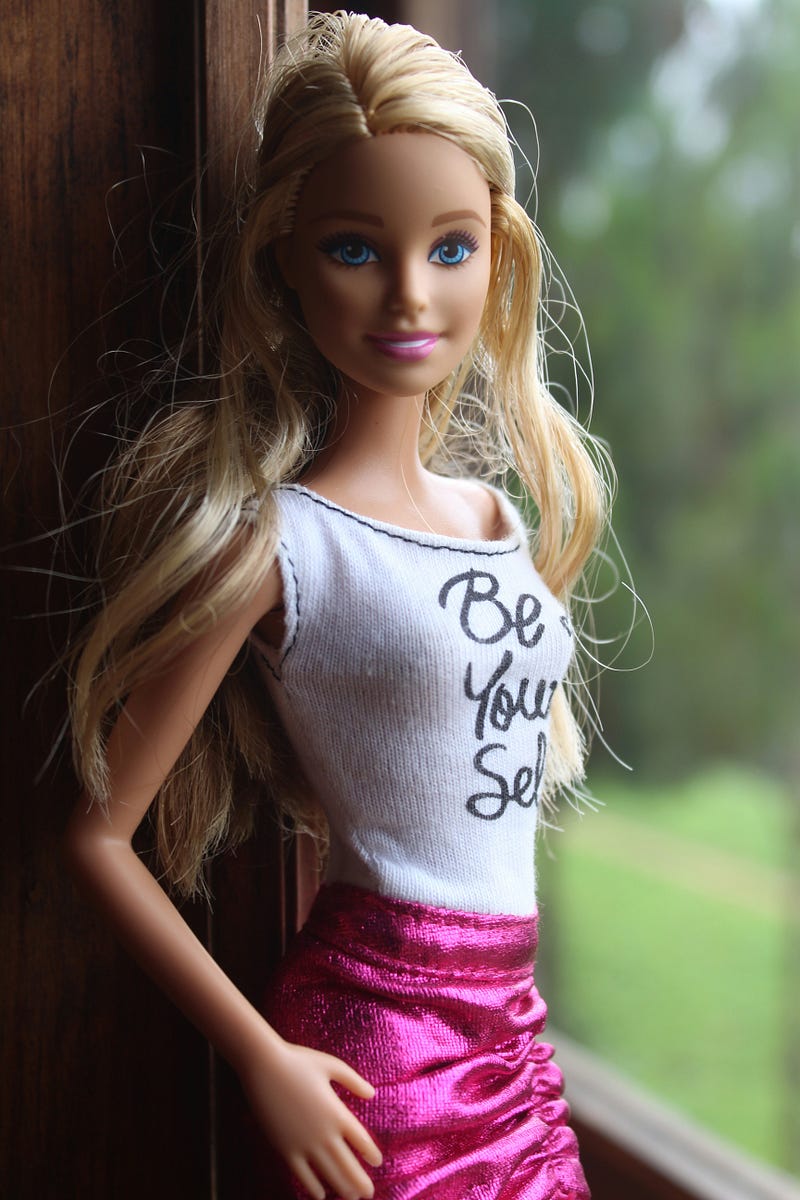
But when I’m struggling with my mental health for months on end, fighting private internal battles, and not able to show up as a polished, femme version of myself…don’t I still deserve to be loved? Don’t I deserve to wear the goddamned sweatpants?
I had accepted that society would judge me. Still, in the privacy of my own home and in my closest relationships, all I wanted was acceptance…and not to be sexualized for existing.
Recently, I was lounging around the house with a new love. I was wearing sweatpants. We realized we needed to run to the store for some ingredients for dinner, and I said out loud that I just needed to put pants on.
He looked at me, so confused…“you ARE wearing pants.”
A grin spread across my face. I hadn’t realized just how much my previous partner's views on my appearance had affected how I felt about myself and my responsibility to perform gender and beauty standards.
It’s incredible where you can find healing.
The issue with the sweatpants was never my problem.
The sweatpants were never the problem.
The idea that someone can be embarrassed by what I’m wearing says far more about them than it does me. The real problem was that if I wasn’t playing a particular role in my relationships, namely ones where I presented well socially and fulfilled my partner sexually, I wasn’t considered “good” or valuable.
Now, I engage in a quiet rebellion of these notions as a litmus test.
Sweatpants are officially a core value… and if you cannot fuck with them, you cannot fuck with me.
Vive la Comfort!

Hi, I’m Jen. I’m here embracing change, living solo, and exploring the topics of religious trauma, neurodivergence, sexuality, and relationships, all while actively pursuing a more creative life.
You can read more of my writing here, or follow me on Instagram