
I Was Rejected from Config 2023, but Here’s What I Wanted to Talk About: Design Handoff 🤝
A few months ago, I applied to speak at Config 2023 and was rejected. Initially, I was disappointed, but after looking at the announced speaker lineup, I harbored no doubt about why I didn’t make the cut.
However, despite my disappointment, I had already invested significant effort into organizing my talk and preparing my slide deck — So, I decided to share my content on Medium for those who might be interested in it.
Let’s craft a better design handoff together
Handing off design can feel like waiting for a cake to bake — you can’t help but wonder how it will evolve in the oven. In this talk, I’ll dive into the top developer needs and designer challenges when it comes to design handoff files. To address these challenges, I’ll introduce the CLEAR principle — a practical framework aimed at enhancing communication and collaboration between designers and developers for creating better handoff files.
Introduction
Before diving into the solutions, it’s important to understand why improving the design handoff process is so important. Over the years, I’ve observed that once a design is handed over to the developers, many designers step back from the project. However, this disengagement can lead to misinterpretations and disconnects between the design’s intent and its actual implementation.
To counteract this, designers should adopt the mindset that “A Design Isn’t Finished Until Somebody Is Using It”. This implies that designers should maintain a level of involvement and communication throughout the development process to ensure their designs are realized as intended.
Developer Needs and Designer Challenges
A successful design handoff is a two-way street: understanding developers’ needs and overcoming designers’ challenges are both essential.
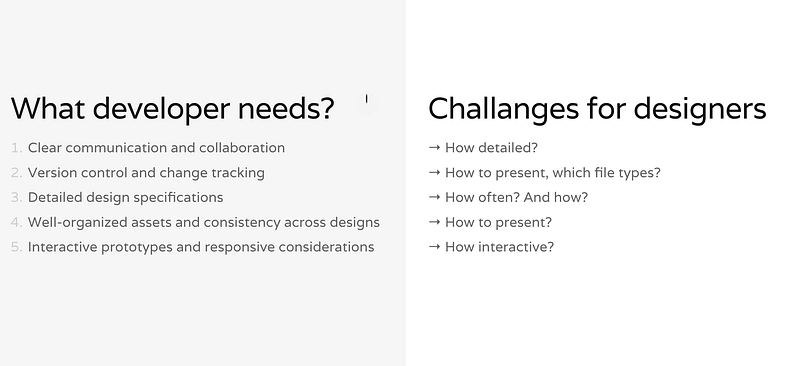
Developers seek clarity in communication, version control for the latest design updates, detailed design specifications, well-organized assets, and interactive prototypes adaptable to various screen sizes. These needs, while understandable, present significant hurdles for designers.
To elaborate, clarity in communication is vital but raises questions about the extent and nature of details to be communicated. Version control is useful, but it poses dilemmas about the right presentation methods. Detailed design specifications are a necessity, but how detailed should these be, and could excessive detail be counterproductive? Design assets are essential, but deciding on the appropriate file formats can be a challenge. Finally, developing interactive prototypes necessitates understanding the intricate details that developers require.
I believe there isn’t a one-size-fits-all solution to these challenges.
That’s because everybody is unique and special in their own way.
Every developer thinks, works, and codes differently. That means the idea of a ‘perfect’ handoff document is a fallacy. Instead, our attention should be on devising an effective, albeit imperfect, handoff process that encourages clarity and collaboration.
So, how can we craft an optimized design handoff process?
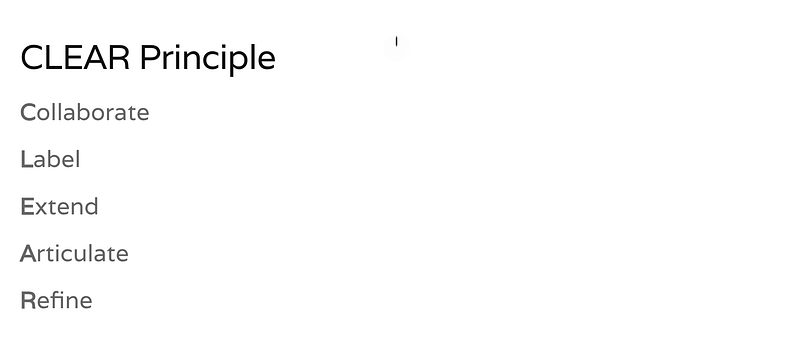
The answer lies in the CLEAR principle, a guiding framework that I have developed to streamline this process. The principle stands for Collaboration, Label, Extend, Articulate, and Refine.
C — collaboration:
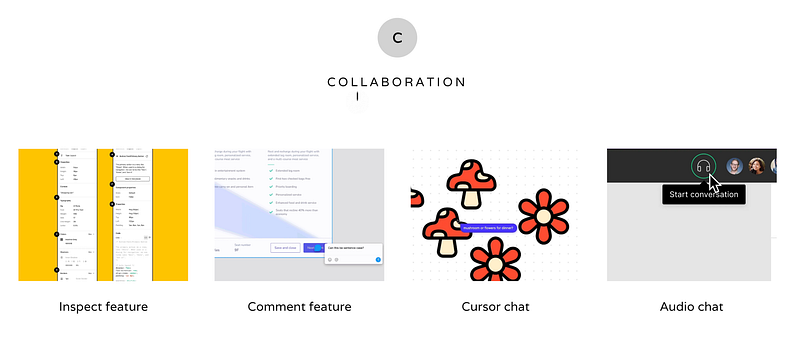
Collaboration forms the cornerstone of any successful design handoff. It demands clarity in the exchange of information and efficient teamwork between designers and developers. Here, Figma’s advanced features serve as valuable tools. Audio chat enables real-time discussions about the project, allowing immediate feedback and decision-making. Bubble chat allows for contextual conversations directly on the design, providing a way to address specific elements without misunderstanding. The inspect feature helps developers to get precise design specifications, reducing the chances of design inconsistencies. Lastly, comments allow for asynchronous communication and documentation of decisions, fostering a transparent workflow.
L — Label:
Proper labelling and organization are critical to a smooth design handoff. They provide structure and clarity, saving both designers and developers valuable time spent hunting for information.
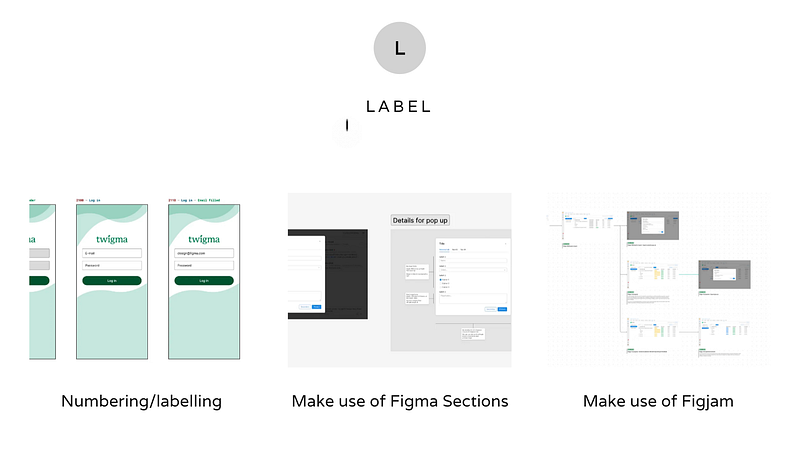
E — Extend:
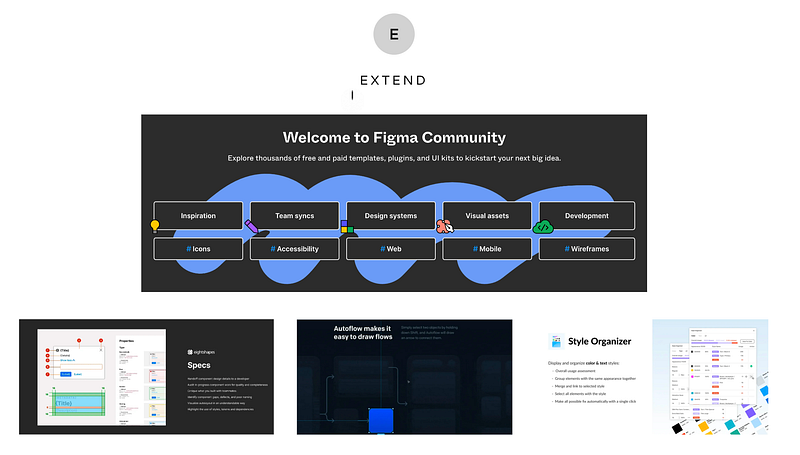
The concept of ‘Extend’ in the CLEAR principle encourages designers to use the tools and resources available within the Figma community to enhance their workflow. Widgets, plugins, and templates can speed up the design process, automating repetitive tasks and providing solutions for complex design issues. For example, a plugin that converts design into code snippets can greatly assist developers in translating the design accurately. Templates for different design systems or UI components can save time in creating designs from scratch. ‘Extend’ is about leveraging these tools to streamline and enrich the design process.
A — Articulate:
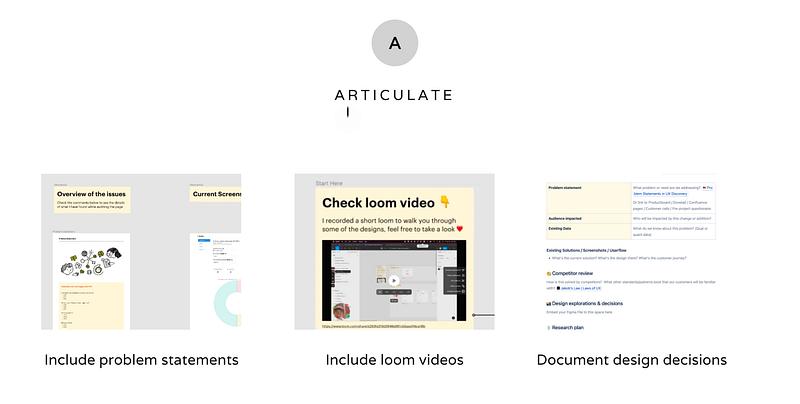
‘Articulate’ is about clearly expressing the designer’s thought process and design decisions. Using Figjam and Loom videos, designers can walk developers through their design explorations, explaining why they made certain choices and how they envision the design to function. This open communication assists developers in understanding the design’s intent and interacting with it accurately. Moreover, having a centralized place like DesignHub to document all design explorations fosters transparency and allows everyone involved in the project to access and understand the design journey.
R — Refine:
Just as design projects go through several iterations, the process of design handoff should also be continuously refined. Designers should solicit feedback from developers regarding the handoff process, using their insights to identify areas of improvement. Is there a need for more detail in the design specs? Are the design assets easy to find and export? Are the interactive prototypes clear and helpful? By addressing these questions and refining the process, designers can improve the effectiveness of their design handoff, creating a more streamlined and efficient workflow.

Conclusion
The CLEAR principle, with its emphasis on collaboration, labeling, extension, articulation, and refinement, offers a roadmap to an improved design handoff process. As I mentioned at the beginning, there’s no one-size-fits-all approach to developer handoff, as it depends on various factors such as product design and the engineers we work with.
However, what we can do is to keep exploring and remain open to discovering new strategies and tools to further streamline your design handoff process. After all, this is a journey of continuous learning and improvement.
Further read
https://www.smashingmagazine.com/2023/05/designing-better-design-handoff-file-figma/