
I Was Born Too Early: Witnessing Korea’s Cultural Popularity
As a little girl immigrating to America from Korea in 1994, I felt like a cultural island adrift in a sea of confusion. Back then, mentioning Korea often elicited puzzled looks, as if I’d just spoken an alien language. People would nod knowingly at Japan or China but draw a blank at Korea. Even at Disney World’s Epic Center, where countries from around the world were celebrated, Korea seemed to be invisible, lost in the shuffle between Japan and China.
Those were the days when being Korean meant constantly explaining, defending, and sometimes even hiding parts of my heritage. I vividly remember the bewildered stares when I brought Kimchi to school for lunch, the teasing whispers about its “strange” smell, and the taunts to “go back to my country.” The struggle was real, and the trauma of feeling different left its mark.
Fast forward to today, and it’s like stepping into an alternate universe. Korea has become the talk of the town, the darling of pop culture, and the envy of foodies everywhere. K-Dramas have captivated hearts across the globe, Korean cuisine has become a trendy favorite, and K-Beauty is the holy grail of skincare enthusiasts.
I still chuckle when I recall the scene from “Along Came Polly” where Ben Stiller’s character recoils at the sight of Bulgogi, equating it to a culinary nightmare. It wasn’t just on-screen; in real life, I once had to explain to my classmates that toasted seaweed wasn’t paper, but a delicious snack from my culture.
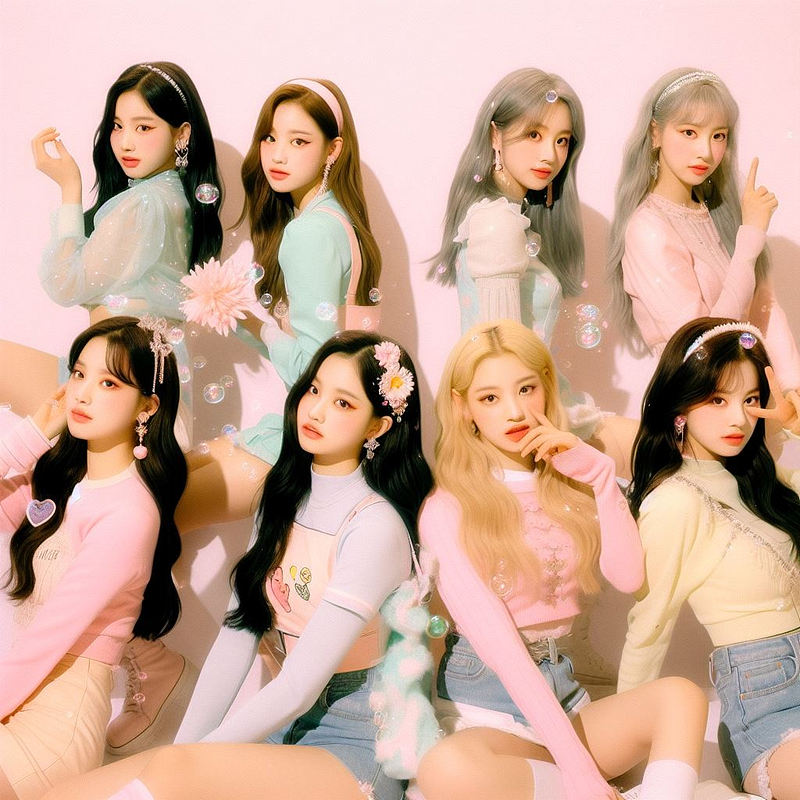
But oh, how the tables have turned! Now, I see parents packing Kimchi in their kids’ lunchboxes, cats munching on seaweed snacks, and BB creams flying off the shelves of Sephora. And let’s not forget about K-Pop — the phenomenon that’s taken the world by storm. BTS and BlackPink — these names are no longer just music groups; they’re global sensations collaborating with Coldplay and dominating airwaves and billboards alike.
It’s a surreal feeling, to witness the transformation from being the butt of jokes to being the trendsetters. The same slanted eyes that once invited ridicule are now being emulated with Fox-eyed makeup, and Korean has become the language du jour among language learners.
And now, amidst this Korean cultural popularity, emerges “Squid Game,” the Netflix sensation that has gripped the world. The chilling drama has captured hearts and minds globally, with its unique storyline and intense performances. You can witness it’s popularity during the Halloween season, the streets are filled with people dressed as characters from the show, a testament to its unprecedented popularity. It’s uncanny to witness everyone knowing what Dalgona is, and even cafes are serving Dalgona coffees these days, a nod to the iconic game from the series.
As I prepare for my vacation to Korea with friends who used to see me as their “token Korean” friend, I can’t help but marvel at how far we’ve come. From being invisible to being celebrated, hiding our heritage to flaunting it proudly — it’s been quite the journey.
So here’s to the quirky, funny, and downright miraculous evolution of Korean culture in the eyes of the world. Who knows what the future holds, but one thing’s for sure — being Korean has never been cooler. And hey, I’m here for every moment of it.
Thanks for reading~! I am very grateful~~!! I’m wishing everyone PEACE, LOVE & JOY~~~!!!