Childhood
I was an Only Child and It was Like This.
People think being an only child is all about loneliness.
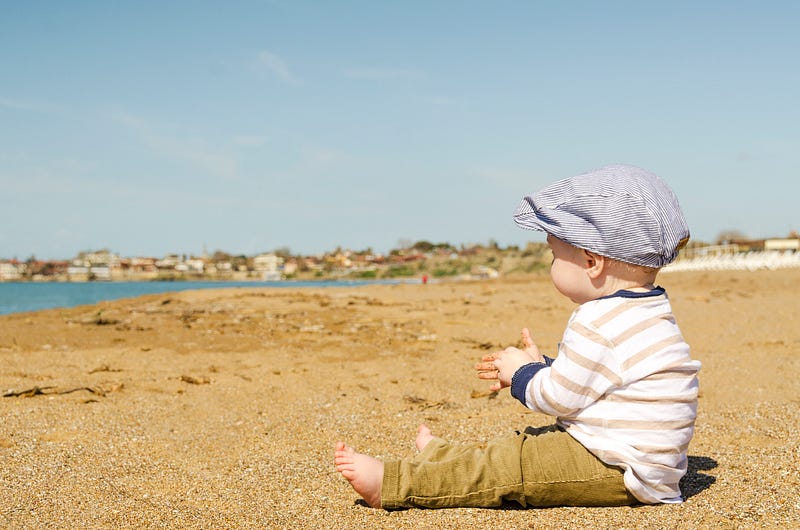
People assume loneliness is the worst part of an Only Child’s existence. I think they are dead wrong.
I started to compile a list of the negatives of being an Only Child until I realized that an Only Child’s life experience doesn’t slice conveniently into neat segments.
Everything is a part of something else.
Everything is connected.
It’s not the loneliness
Yes, loneliness can be truly awful but for me, looking back across the years from my high perch of acquired wisdom, it wasn’t loneliness that was the worst of being an Only Child. I may have thought so at the time, in my bouts of loneliness when I thought I was missing out on everything
What I didn’t know then was that what I needed was everyday interaction and connection with an intimate peer group.
Those early childhood years are critical in molding character through interaction with the peer group. This is where you learn the give and take of life, how to get along with others, to negotiate, to tame your ego. But if you never learned these critical skills during your formative years it’s so difficult to make it up in adult life — as I found.
Your clumsy attempts at sociability fail and you are doomed to go through life on the back foot, never quite saying or doing the right thing.
You may be well into adult life before you realize what you missed out on as an Only Child.
And so much depends on the parent’s background, education, economic situation, religious views.
And those pesky genes don’t go away. They have a huge bearing on emotions and behavior that cannot be overstated.
It’s easier for introverts
Suppose the Only Child’s character naturally leans towards the introvert. Being alone for long periods will not bother this child. He or she will be right at home with a pile of books or some creative endeavor.
The extroverts prefer some life.
Naturally, the extroverted Only Child will find long quiet times without company, noise, and movement hard to deal with and will crave friends, outings, and social activities. They will be natural joiners.
Now that screens have taken over the world it is easy for parents to miss what their child may be missing. Screens make good babysitters. They are everywhere in everything. Introverts and extroverts play happily away on their screens for hours. But screens are not real life and cannot replace them.
Parents of an Only Child, beware of the screen.
Some negatives of being an Only Child.
People think the Only Child is spoilt
The Only Child doesn’t have to compete with siblings for the parents’ attention or largesse. In fact, the parents may tend to overcompensate for their child’s aloneness, showering them with material goods. The Only Child may become spoiled and overindulged.
When I was an Only and was introduced to new people, inevitably someone would say ‘An only child! She must be spoilt!’ My parents would go to lengths to kill any such notion, insisting I was not spoilt but strictly bought up. My parents made it clear they couldn’t tolerate spoiled and badly behaved children. I would cringe.
You might say I was reverse spoiled. If I had had a sibling or two back then I might have had an easier ride.
No help with schoolwork
The Only Child misses out on the advantages of having a sibling or two to help with schoolwork. Parents aren’t always as helpful as they might be or up to date with changes in education.
No help with the school bully
The Only Child has no backup in the event of being bullied at school. She needs to create her own tribe, but it’s not easy when she hasn’t learned the necessary social skills to make it happen.
No rough and tumble
The Only Child misses out on the all-important sibling rough and tumble games and physicality. They’re even better with a father on the scene.
The Only Child is not used to close encounters with the opposite sex.
The Only Child may become awkward and shy with the opposite sex. Body changes are embarrassing. Voices break, breasts develop, hair appears in odd places. Hormones spin out of control. It can be hard to know where to put this strange new beast.
The Only Child doesn’t have to share.
The Only Child does not have to share their toys with siblings. Or party treats. Or anything. With no siblings to consider they have first go at everything. This might seem enviable but sharing has to be learned to live successfully in this world. Parental guidance is needed here.
The Only Child stands to inherit, usually.
The Only Child is at the front of the inheritance lineup unless of course there are further pregnancies and births. Then the Only Child will become an Older Sister/Brother and have to share the family inheritance with the new siblings.
This happened to me when my siblings arrived. I became the Older Sister. As I wasn’t interested in such things as inheritances it didn’t bother me — I wasn’t aware of it — and when the time came there wasn’t much of an inheritance to squabble over anyway!


