
I Was a ‘Big Picture’ Guy
I paid the price by missing the ‘trees’ of everyday pleasures
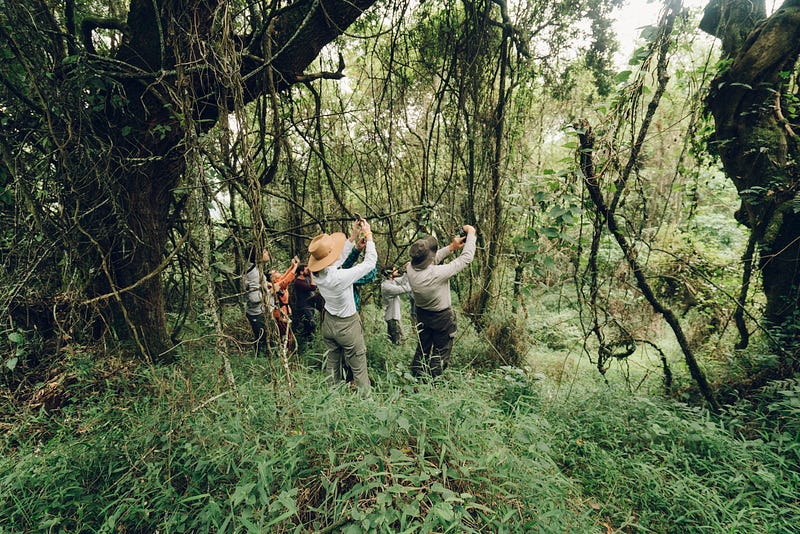
Not to miss the wood for the trees has been a much-touted piece of philosophical advice for ages. Obsessing over minor details while ignoring the big picture is considered a sign of immaturity and imprudence. It’s like fighting over small change when we should search for a treasure.
My fascination with the ‘forest’ of life started early in my life. I was a ‘big picture’ enthusiast. Being an introvert, I had few friends. I considered a narrow circle of friendship as a blessing as it helped me steer clear of petty fights and gossiping. It helped me to brood on the ‘big picture’ of life.
When I saw bully threatening a small boy I thought about why such things may happen? Why others look the other way when an injustice is happening in front of their eyes? Why are teachers not punishing the bullies?
When I saw boys harassing a stray dog, I felt pity for the animal. I thought about human cruelty towards helpless animals.
I thought I was morally superior to fellow students who lived life on a day-to-day basis without bothering to look at a large canvas of human existence. I considered them selfish.
I was wrong. I realize my moral righteousness robbed me of little pleasures of life, like going for picnics, wandering aimlessly in nature, flying kites, watching the sunset, and so on.
I now realize why my classmates laughed more and played more while I sported a grumpy face avoiding gatherings and get-togethers.
They lived from moment to moment without bothering about the larger design of life or about universal truths of life while I introspected on abstract things like justice and fairness.
It is okay to not lose sight of the larger purpose of life. But when big picture thinking becomes the default mode, one loses sight of the delights and pleasures of everyday life.
The present is the only reality of life. The past and the future do not exist.
Instead of chasing a grand purpose, it makes sense to find pleasure in the daily activities, experiences of life.
The point is meaning and purpose exist in the Now and not in an unimaginable future. What you do today and experience today is the only reality of life.
In trying to tie everyday life to a grand design of life, we end up missing the small joys in our midst. We become ‘present- blind’ in search of a perfect future.
In her book “ Joyful: The Surprising Power of Ordinary Things to Create Extraordinary Happiness”, author Ingrid Fetell Lee questions the conventional wisdom about finding happiness. According to her, joy is all around us, in the tangible things that we take for granted. The physical world is not a mere background for our daily activities, it is full of opportunities to experience wonder, awe, and happiness.
The sight of a rainbow creates a feeling of awe and happiness. Seeing colourful flowers, or view thousands of balloons rising in the sky — these commonplace occurrences awaken in us our instinct for joy.
We can not only feel the joy but also create it for those around us. Ingrid Fetell Lee says:
“I realized that though the feeling of joy is mysterious and ephemeral, we can access it through tangible, physical attributes. Specifically, it is what designers call aesthetics — the properties that define the way an object looks and feels — that give rise to the feeling of joy.”
She has identified ten ‘aesthetics’ of joy.
Energy: vibrant color and light
Abundance: lushness, multiplicity, and variety
Freedom: nature, wildness, and open space
Harmony: balance, symmetry, and flow
Play: circles, spheres, and bubbly forms
Surprise: contrast and whimsy
Transcendence: elevation and lightness
Magic: invisible forces and illusions
Celebration: synchrony, sparkle, and bursting shapes
Renewal: blossoming, expansion, and curves
Each aesthetic links joy to a particular aspect of the physical world. Each of us can tap into one or more aesthetics depending on our natural inclinations, likes, and dislikes. For instance, some may find joy in open natural settings, wildlife sanctuaries, and mountains. Some others may find joy in magic or splendid architecture. The artistically minded can seek joy in colours.
I realize how much joy I missed early in my life. I missed the “trees” of joy around me by turning my gaze on the “forest” of the big picture.
It is the trees that make up the forest. It is the simple joys and pleasures in the physical world around us that add meaning to life.
Thanks for reading.