
I walked 10 hours through the rainforest in Peru to escape from a closed-down city — Part 1
Having worker strikes is a normal part of living in a democracy, but we experienced the extreme of it
The first sign: Lima closed down for 24 hours
We spend 1.5 months in Peru and most of it in Lima, the capital city.
One morning we woke up to the news, that the strikes got violent and several people died, so the prime minister ordered a 24-hour curfew for the whole city.
Not even the food delivery services were able to work, and that was a problem because we didn’t have much in our fridge for that day.
So we were aware of the strikes and followed the news closely.
Aguas Calientes, the closed-down city
When we arrived in Aguas Calientes on the 17th of April, we knew that there is going to be another strike with the Peruvian train companies the next day, but our guide and the news said that it is going to end at 6 pm and trains will start to run again.
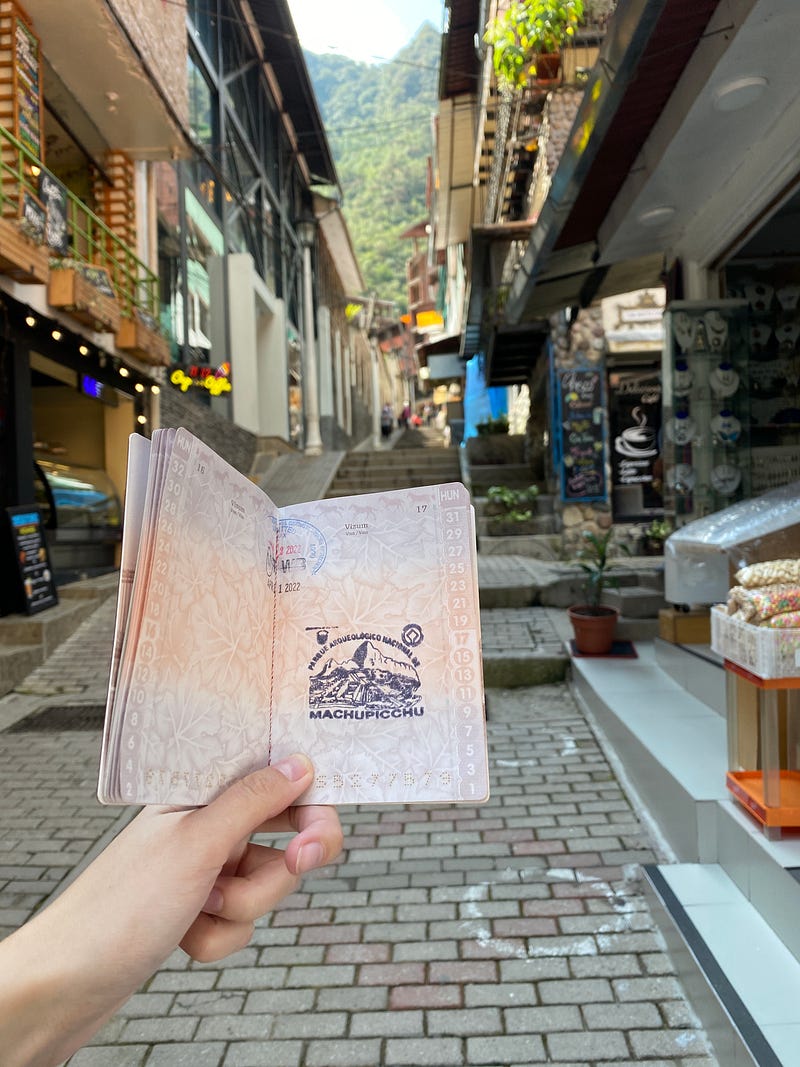
So we went on our amazing Machu Picchu adventure on the 18th and had the best time in this jewelry box of a city.
But the trains did not start again that evening. Or even the next day.
More than 2 000 tourists were trapped in Aguas Calientes.
Why did we need to get out?
As digital nomads, we have all of our lives packed into a suitcase. Documents, laptops, electronics, clothing, personal items… but those things were back at our hotel in Cusco because we didn’t feel comfortable bringing everything to a hike.
But that hotel lent our room to the next guests from the 19th, and our items were all over the room as we got really sick because of the high altitude. We wanted to get back there in time to have a piece of mind.
On the other hand, we had a scheduled flight and sadly it didn’t include the option to change the date.
While waiting at the train station to have some information we made friends with an American and a German couple. The whole group was working on a way out as at that point we had no information about when the strikes will end.
Then the workers started to say that the trains will not run again until they have an agreement with the prime minister.
And that was not the thing to hear when held captive in a city deep into the rainforest.
How did we get out?
The plan was to check the train station in the morning again, but they hung out the news: no trains on that day too.
On the previous night, we agreed with our guide that if that’s the case we’ll walk till Ollaytantambo and he’ll have a car waiting for us there to drive us back to Cusco.
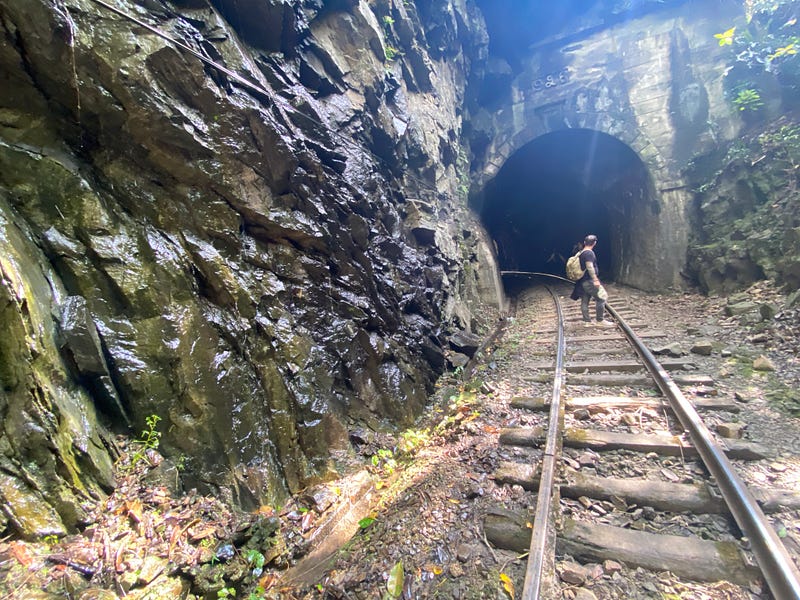
So on the early morning of the 19th of April, we started to walk on the railway tracks through the rainforest in Peru…
I’m sorry to break up the story into several parts, but as you can imagine it has lots of details and crazy things. I’m posting one article every day about it till we are finished.