
I Unintentionally Lost Weight During The Pandemic
and it has done wonders on my mental health
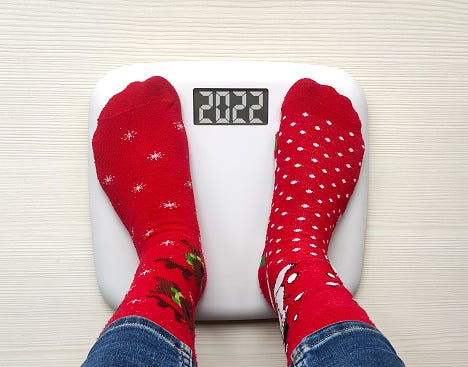
I have spent most of my early 20’s trying to lose weight. Before the pandemic, I was a regular at my local gym. From spin class to Zumba dance classes, I participated in everything. However, I didn’t see many results. I would lose a couple of pounds and then the stress of university and exams would put me back to square one.
So I was in absolute shock when I realized that I had lost weight. I started to think back and wonder what was the catalyst to this sudden change.
Was it the anxiety I developed from the unknown of this pandemic?
Was it the stress from work?
Was it my strange eating patterns from working at home?
Was I subconsciously trying to lose weight?
I realized it was several factors.
- Work-life
Working from home has its perks. Waking up a few minutes before work, staying in comfy clothing, and eating warm home-cooked food for every meal. But what I didn’t realize is how fast time flows during crunch time. There would be weeks where I would start my day at 8 am and when I look at the clock it was 2 pm. These were the days I forgot about food. I was so deep into my work, I didn’t even feel hungry. I would grab something to eat when my stomach rumbled but other than that, nothing. I spent months in this state and watched my waist shrink slowly.
Not to mention, I truly did not feel hungry during busy work periods. I decided that since I was not hungry during breakfast I would simply skip and eat at lunch. While I know breakfast is the most important meal of the day, what worked for me was to eat when I was hungry. I unintentionally started intermittent fasting and it has changed my life. I felt better, my skin cleared up, I was drinking more water instead of eating, and my overall fatigue that would linger throughout the day just disappeared. It was like a thousand bricks have been lifted off my shoulders and I could feel like me again.
While intermittent fasting is a tool that some individuals use for weight loss. There is promising evidence that fasting can help our bodies repair and perhaps extend our lifespans. Intermittent fasting is a type of time-restricted diet in which fasters leave a long gap between their last meal of one day and the first of the next, compressing their meals into a shorter period during the day. Typically, fasters try to leave a gap of 16 hours without food and eat during an eight-hour window.
Several studies show that intermittent fasting can help with weight loss, primarily through restricting the hours in which a person can eat, reducing the amount of food that is consumed, and therefore overall energy intake. It’s a change of when to eat, rather than what to eat.
This experience has set me up in a positive way and I have decided to embrace this habit for years to come.
2. Mindful eating
Let’s face it, working from home has opened up a world of options when it comes to food. Uber? Deliveroo? Zomato? Menulog? It’s all just a tap away. I decided not to cave in to this habit because knowing myself, one order will become many orders. I would meal prep just as I would have if I went to work. Overnight oats, salads, pasta, wraps, and soups got me through most of the year. This eating habit made me slow down and think about what I’m putting in my body. If I had traveled to work, this eating pattern would have not been sustained with client lunches, mindless snacking, and picking up sweet treats from the store before heading home. Working from home has allowed me to intuitively think about my eating patterns.
Eating processed foods with lots of simple sugar spikes your blood sugar. Your insulin levels follow to transfer glucose — your body’s main fuel source — into your cells. But what comes up quickly must come down, leaving you feeling tired and mentally drained. Whole foods like fruits, veggies, and whole grains, however, contain fiber and help slow down the absorption of glucose, helping you to maintain more stable energy all day long.
“What we eat impacts many of the pathways and functions of our brain. It influences gut health, inflammation, and oxidative stress, which in turn can impact our mental health.”
Thinking back, I realized how much food impacted me over the years. When I was sad, I would eat junk food, feeling anxious, junk food, or just feeling a bit moody, more junk food. This put me in a state of fatigue throughout the day. I would wake up feeling tired, work feeling tired, and go to sleep feeling tired. It was a vicious cycle that I never bothered to get out of. This pandemic has made me realize the importance of health and to look after myself first. Now that I know how I feel when eating junk food, I will stay away from it for the foreseeable future.
3. Walking
Exercise in general became a stress reliever, an escape from the grim realities of the world, and a mental health break for people. I too have fallen in love with walking, especially when it was the only activity I did for months during the lockdown. I would go for an hour’s walk leisurely. Not rigorously. I think this was the biggest catalyst in my weight loss.
The causes of poor mental health are complex enough, but when you add the conditions of dealing with the daily realities of a global pandemic, stress is not something we can just walk away from.
Walking every day can help combat this issue.
Walking helps improve mental and physical wellbeing, tackle depression and anxiety, and connect us to the world around us. So a society that walks more stands to be healthier and happier as a result.
During my walks, I would talk to my family if they joined me, listen to music, call a friend or even listen to nature. My daily walks were the only thing I looked forward to and it became my “me time”. I quickly became addicted to this habit and would start walking during lunch breaks, after work, or sometimes first thing in the morning. It helped me clear my thoughts, emotions, and feelings that built up throughout the day. Living in a pandemic brings up a wide range of emotions and I am happy that I was able to find a way to relieve the tension healthily.
As I started to eat healthily and walk routinely every day at 6 pm, I started to feel better both body and mind. I would wake up feeling less lethargic and my all-day fatigue just disappeared. It was like I walked my way out of this slump. While this worked for me, it may not work for you. Health looks different for everyone. But good habits today will most likely be rewarded tomorrow.


