
I Tried Making Watalappam, and I Loved It
A sweet and subtly spicy treat that will leave your taste buds wanting more
I love dessert! From cakes to candy to all the confectionaries under the sun!
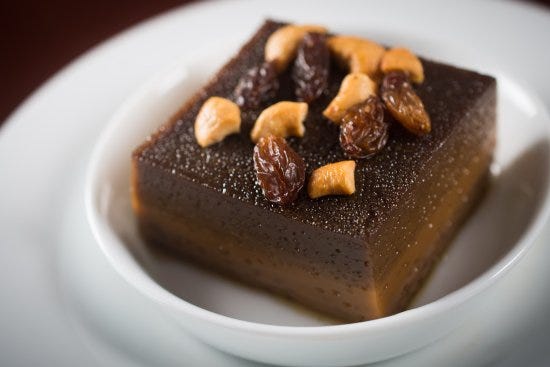
I also love making desserts. Over the past few years, I have ventured into baking cakes, brownies, and even dabbled chocolate-making. But there was always one treat that had been a mystery to me. A rare treat that always disappears from our fridge in minutes. This famed dessert is known as watalappam.
Watalappam is a type of pudding made with coconut milk, jaggery, and a lot of eggs. What making it stand out, however, are the spices sprinkled into the dish to give it that local flare. It is famous around Sri Lanka, and the taste is simply delectable.
It is an adventure for the taste buds, going from the sweet taste of jaggery caressing your lips to feeling the spices peek through as you enjoy the pudding-like texture. Baked cashew nuts and raisins are also added to give the dish a surprise burst of flavor, but some consider it blasphemy. I personally love the crunch of the cashew nuts mixing in harmoniously with the wattalappam.
Let’s see how I made my first ever watalappam!
Ingredients
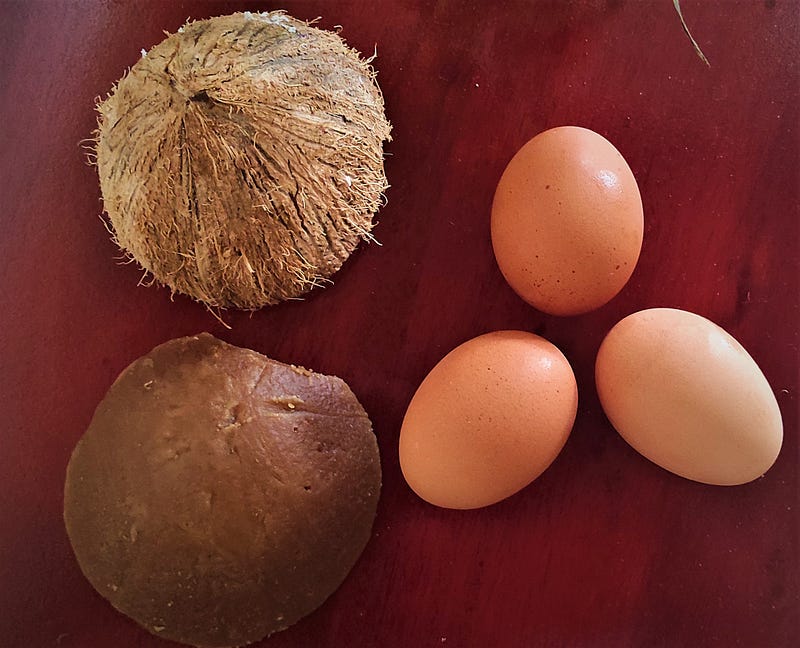
5–6 large eggs
250g of sugar jaggery or palm jaggery (I recommend palm jaggery for its distinct flavor)
1 cup of coconut milk or condensed milk
1 teaspoon of cardamom powder
½ a teaspoon of nutmeg powder
50g of cashew nuts or raisins or both (Optional)
1 teaspoon of vanilla essence or a pod of vanilla
Prepare the Mixture
1. Grate the jaggery or chop it up roughly
2. Mix coconut milk and jaggery in a pot on low heat.
3. Stir periodically until the jaggery is completely melted.
4. Remove from heat and allow it to cool to room temperature.
5. In a separate bowl, beat the eggs gently so that the yolk and egg whites are combined. Take care not to make the eggs too frothy.
6. Add the egg mixture into the jaggery with the vanilla essence and mix well.
7. Pour the mixture into a tray or bowl and cover it with foil.
Time to Bake
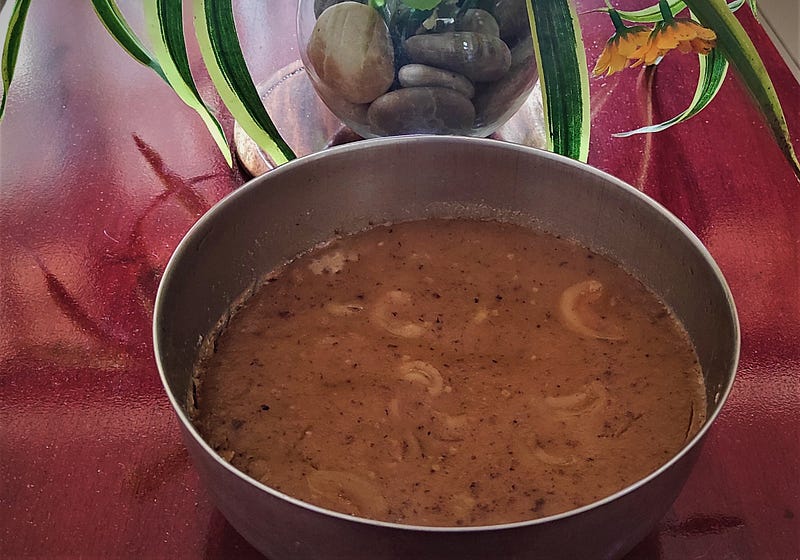
- We have to steam the mixture for 40–50 minutes. I used a pressure cooker with adequate water. If you don’t have a pressure cooker, you can use an oven with a water bath. Put the tray with the mixture in a bigger tray filled with water and bake it in the oven. It’ll have the same effect.
- After the time is up, check if the watalappam is ready. The pudding should be set, and the middle should be a little wobbly.
- Let the dish cool and serve with cashew nuts or raisins sprinkled on top.
Fun Little Changes
- If you want the wattalappam to be sweeter, you can add in 100g of brown sugar. You will need to add 1/2 a cup of coconut milk to balance out the consistency.
- You can strain the mixture before baking to remove the bits of spices in the Wattalappam to have a smooth and creamy texture. I personally like the tang of spicy bits, so I leave them in.
- Wattalappam can be served warm or chilled in the fridge — both providing a different sensation to your taste buds.
- You can experiment with different spices and see how the flavor and smell change. But add it in small amounts if you are going to attempt it.
Final Thoughts
Making this dish was a milestone for my cooking journey, and I think it turned out great. I hope you enjoy it too!
Thank you for reading, and have a great day!!!


