
I Still Type ‘Condolences’
No one taught us how to mourn and have funerals online.
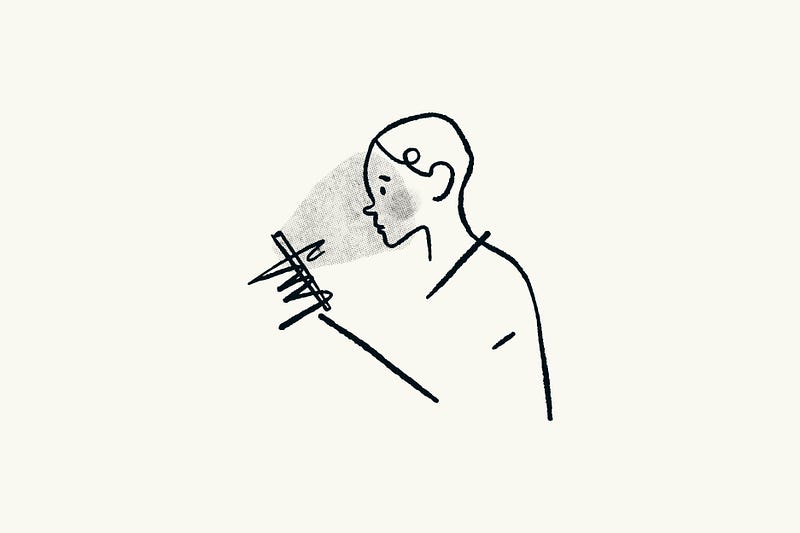
At first… It was an overseas Filipino worker It was a patient It was an old man.
I see it every month.
The death toll keeps on rising. And confined in our homes, we just saw this as a figure.
But the pandemic went on and on and unfortunately we’re still here.
The newsfeed became our daily newspaper because of the headlines…but also because of the obituaries.
And then it became… …a jeepney driver …a frontliner …my friend’s old neighbor
I see it every week.
And it’s not even COVID-19-related all the time, but for most cases, it really is the virus. But even if it’s not, it makes you think about how the last lived moments of these people were like…in a lockdown.
Did they live the most out of the past year? Were they able to keep in touch with friends? Were they with their loved ones in their last moments?
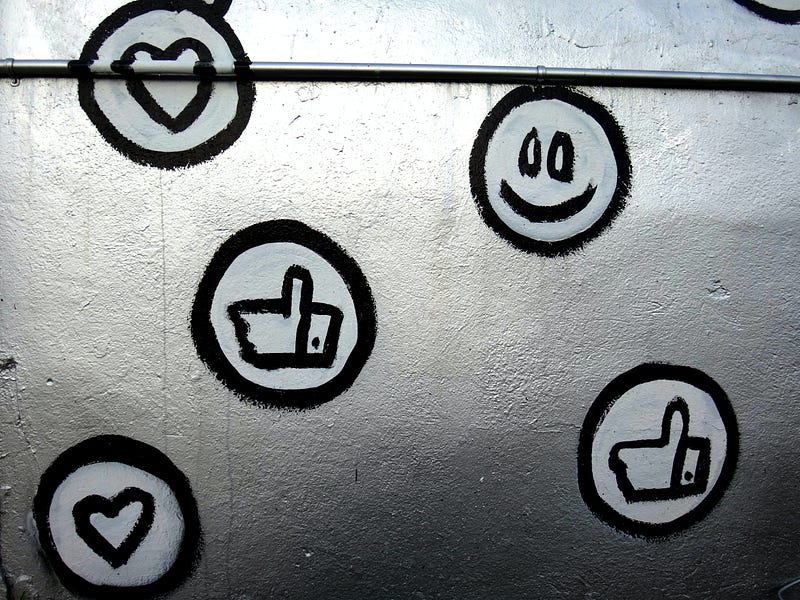
Sometimes, I don’t know what the right reaction is for these kinds of posts.
Obviously, it’s Sad. But if it was a thoughtful final love letter then it deserves a Heart, right? But sometimes you want to make the person feel comforted by a hug, would a Care reaction be enough? And sometimes, you read their horrifying experience of desperately finding a hospital that would admit their loved one. And you just want to be Angry because the system has failed us.
It was now someone from school. It was now my friend. It was now my grandmother.
I see it every day.
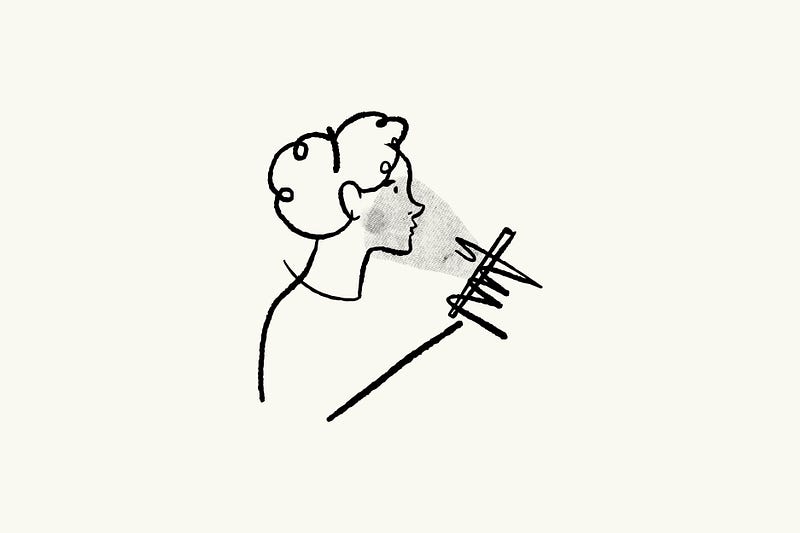
It reached a point where you become anxious seeing a friend’s post with a long caption and a photo of someone dear to them.
You hope and pray that it’s not another eulogy.
You are afraid to click “See More.” You don’t want to see any more of this.
Sometimes it’s just a birthday greeting.
Please, not another one.
Sometimes it’s, just a random appreciation post.
Please, please, not another one.
But more often than not, it really is goodbye.
Can I just skip these posts? Can I just copy-paste “Condolences”? Can I stop feeling this way for a moment?
But how do you stop being human?
Scrolling down the timeline to see what’s next…to find out who’s next.
It can be… It might be… It will surely be someone…
And with that I am afraid.
Condolence.
My condolences.
I am sorry for your loss.
My deepest sympathies.
Sending healing prayers.
I now know the different variations of saying “Condolences.”
But maybe…maybe
I will never learn how to say it right.
This write-up has a spoken piece version which adds value to the text by giving people an audio experience.

Andrew Beso is a Manila-based content creator who is exploring different ways of sharing art — whether it be written, spoken, and visualized. His work, aside from being in Medium, can also be seen on Youtube and Instagram. He is currently taking up a master’s in political economy and is using creative expression in discussing social issues.


