
I Stayed Indoors For A Whole Year
Social anxiety almost ruined my life
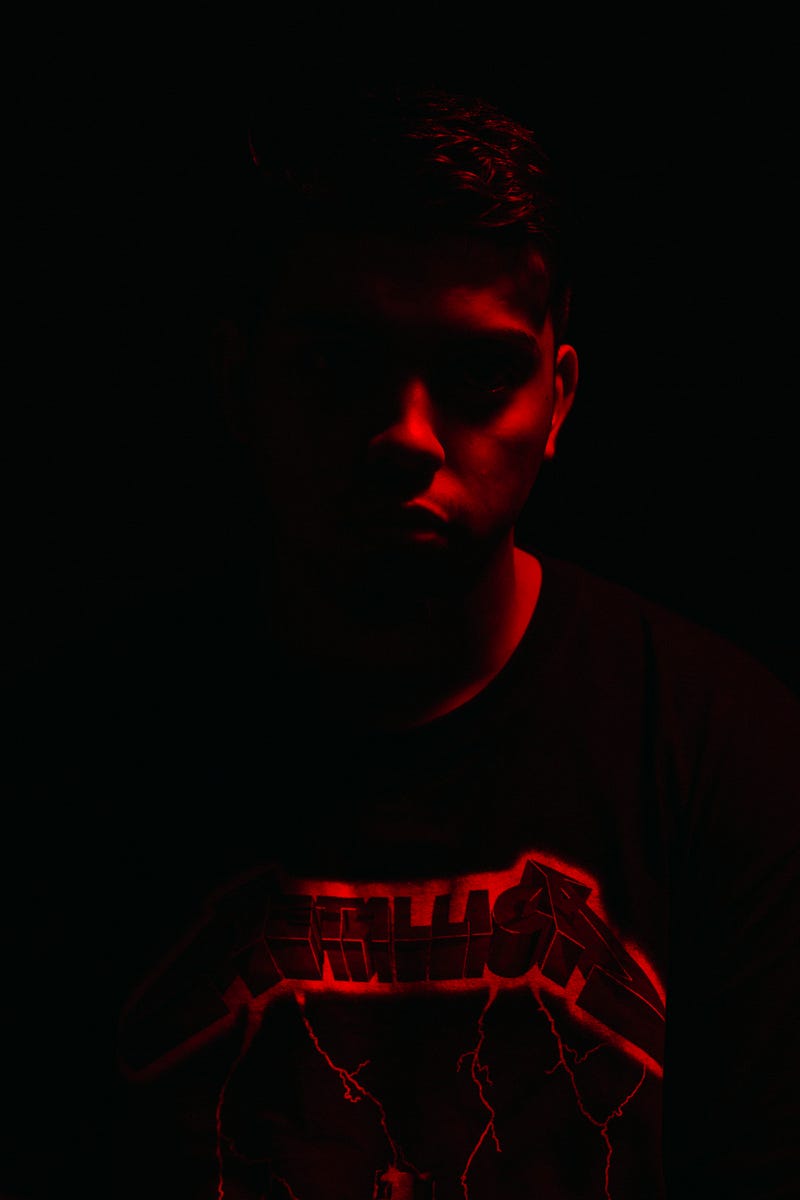
Content Warning: self-harm and suicide
I stayed indoors for a whole year with no social contact. In case you’re wondering what a Hikkikomori is — it’s a person who completely avoids any form of social contact.
Hikkikomori syndrome can sometimes be classified as a psychiatric disorder — or even a culture-bound syndrome. This is an abnormal way of life because, under known circumstances, people with this disorder seek a high degree of self-isolation, confinement, and repressed affliction without even knowing.
The worst part about it is — most Hikkikomori have shown extreme signs of self-harm and suicide attempts. However, this syndrome can be grouped into different stages depending on the suffering patient.
I was a suffering patient for a year without knowing.
Becoming a medical personnel had been my dream career since I was a child. In fact, as a child, I dreamed to treat my patients with love and care. I lived with that dream until high school of my senior year when it was time to test my abilities and carry on with my dream.
I overworked my brain in preparation for the exam — I was aware of the candid number of applicants who were ready to take the exam. I suppressed the idea of cowering in fear and left my high retentive memory to do the work in confidence.
Low and behold, the results came; the scores left me in utmost surprise but I still wasn’t accepted. I had to face the reality of the rejection they presented to me in the form of an electronic mail — it left me in absolute despair. I cried.
To sum it up, everyone I knew got accepted into medical school. At that time, social media growled with pictures of my classmates’ letters, down to their matriculation pictures with smiley faces and cheerful supporters.
And every time I got invited to some congratulation party, the familiar guests would ask, “What university accepted you? You’re pretty smart right?”
The sudden anxiety welled up in me anytime someone asked such questions, and I wished I had the guts to lie.
Time passed and slowly, I found myself in the shelter of my home — I wanted to avoid them. Being outside in the sun meant more questions. Being online on social media also meant more questions — be it WhatsApp, Facebook, or Twitter, they always found a way.
The best way to avoid those questions was to hide my existence — which I did.
I had no problem staying home all twenty-four hours of the day. I read continuously like my exams were the next day and I was proud of myself for being productive.
Sadly, every day was the same — a ritual I couldn’t avoid. I wished to be in school, like everyone else. I constantly found myself thinking about my mates that got accepted and I was envious since I was only human.
I needed punishment for feeling so much malice — to everyone including myself. I began to feel displeasure for my being; I realized the only source of pain I could receive was self-harm.
My cuts piled up and I knew — I had to stop but I couldn’t. After weeks of insomnia, I prayed to be saved, but no one noticed how much I suffered. I suffered alone.
The only way to pass day was to dwell on sleeping pills; each day I woke up — day would be gone and I felt happy (my safe haven), unaware of the fact that addiction called my name.
My dependence on the pills grew and I knew it was wrong — so how could I save myself?
I made mistakes — a whole lot of them in fact. Avoiding social contact was the premier of my problems, I slowly developed invisible illnesses — insomnia, depression, and non-suicidal self-injury (NSSI), as well as social anxiety disorder.
I am sad to admit that I almost gave up.
I lived in a place where visiting a therapist was considered a mark of disgrace — I was too afraid to admit I needed one because I didn’t want to bear the stigma. After weeks of consideration, I finally opened up to my parents — they became my therapists.
Here are some of the things I wish I knew before I isolated myself from society:
Everyone’s time is not your time.
I was so caught up in the idea of being among the crowd that I unknowingly forgot the real reason I wanted to go to the university. I was ready to accept any course of admission — even if it wasn’t medicine and surgery. I hail from a Christian home and every time my mother would say,
“God’s time is the best time, so wait for your time.”
If I had remembered her saying, I would have been convinced that I still had hope — I was carried away by the souls of society which brought about my negativity.
Our faces are different, it’s the same reason — we have different fates.
Failure is the ultimate path to success.
I failed once and I almost gave up. The sting of failure hurt like hell, I can still remember the feeling of being rejected like it was yesterday. I was young and innocent; I thought my world had fallen — my future flashed before my eyes and without doubt, I thought I had completely failed — not just myself, my family too. They looked up to me and that was what scared me the most. Honestly, it wasn’t a benevolent feeling.
In one of my articles, I noted that:
Life is not a 180 degree straight line, you may be faced with impediments created to make you fail.
However, failure is not a stigma; It is not a loss — it is a greater opportunity to be better, and when you plant the seeds of betterment — fruits of success shall grow.
Inspirational books.
I tried to while away my time by staying on social media; nonetheless, this only boosted my negativity. If I started reading inspirational books earlier, then my illness wouldn’t have gotten that far. I wasted a year — forgetting that I lived with hundreds of books in my home.
My father encouraged me and hesitantly, I saw myself flipping through the pages of “Ideas Rule The World” by Sam Adeyemi, an author who hosts the motivational program “Success Power” on radio and television. I would never forget the quote that concluded the book:
“It is not over, until it is over.”
It’s funny how much spending time reading inspirational books influenced my life — I knew I had to keep it up. I was glad; I had the motivation to help myself.
Conclusively, social withdrawal syndrome (Hikkikomori) almost ruined my life; but still, I was lucky it didn’t extend the prodromal phase of psychosis. Most patients do not know they suffer this illness, so if you tend to show symptoms like intent withdrawal from society — visiting mental health personnel would probably benefit you.
Contribution to the story: