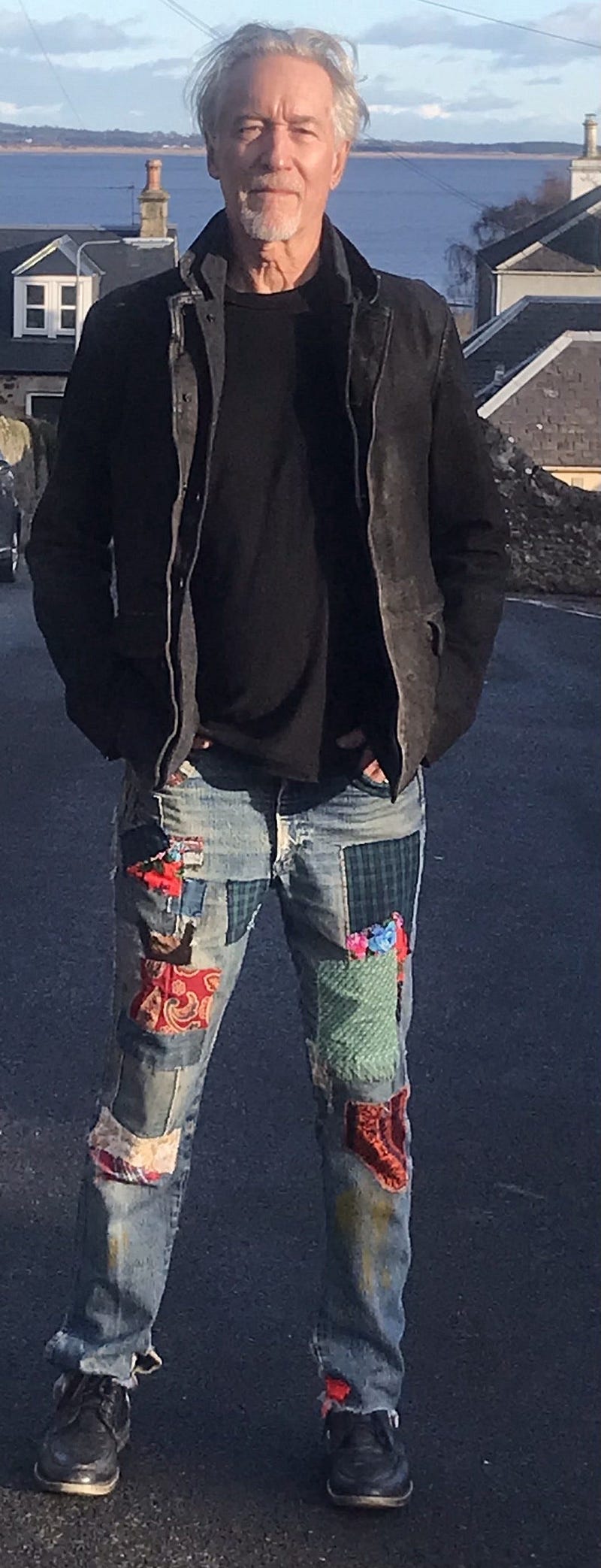
I Started Writing 3 Years Ago and Just Signed a Book Deal
I'm 71 years old. Here's how it happened. If I can do it, you can too.

I'm no writing heavyweight, far from it.
No big numbers on Medium — only 13.1K followers. That’s very few compared to the big hitters. I have very little social media presence, and my mailing list has less than 700 names.
I got a D in creative writing in my only writing class in college. I was an English Literature major who struggled with poetry, finding most of it too obscure. Too much work trying to figure out what something meant. Just not my thing. Give me a novel like One Flew Over the Cuckoo's Nest, and I'll be happy.
If one of the keys to good writing is to read a lot, then I've got plenty of work to do there too. I read, but not nearly as much as many people I know.
See what I'm getting at here? I'm very average. Probably well below average in many aspects of writing and being a viable candidate for a book deal.
But I have one thing going for me.
I love writing. And if you're a writer, you probably love it too. That's our superpower.
Also, the desire to make a positive difference in the world burns brightly inside me. It wants to come up from the hidden depths of my being into the light. My job is to get out of the way and let it happen.
The beginning.
When I started writing on Medium in the Spring of 2020, I wanted to share some lessons I've learned through all my ups and downs. I wanted to write stories that added value — honest stories. Stories people can relate to. Stories that inspire. Maybe they'd help someone experience less grief and aggravation. Perhaps they'd inspire someone to do the right thing or remind them of their innate goodness.
Stephanie Georgopolus, the founder and publisher of Human Parts at the time, read my first article about my long-term meditation practice and asked if she could publish it.
Sure thing. After some editing, it went live and got over 32K views and fifty responses. I was pleasantly surprised, which gave me a boost to keep going.
The following six pieces generated over 200K views. Stephanie and Harris Sockel did a fantastic job promoting my stories. Those were halcyon days at Medium, and HP was very good to me. I'm very grateful for the help they gave me.
I was on my way now.
However, an article took me weeks to write. I stumbled along—rewriting, editing, and often doubting whether I could write consistently and coherently. I learned about editing, read books about writing, studied top writers, and plugged away. I was terrible at writing titles and still am. I bow to the coding gods for creating title analyzers. They help.
I listened to Tony Stubblebine, now Medium's CEO, on a podcast. He said something about making Medium work for you — if you want to write a book, use it to help you. Bingo. Duly noted.
Two years and a hundred articles later, I decided my first book, Living a Conscious Life: A Thinking Person's Guide to Peace, Wholeness, and Freedom, would be a collection of essays written on Medium.
Seven things contributed to creating my manuscript.
- When it made sense, I wanted to write articles that included stories and lessons learned from my life. I wanted them to be entertaining and of value to the reader. I generally avoided heavily researched pieces or those mainly relying on third-party input.
- My goal was never quantity. I wanted to get better at writing. So, I did my best to ensure my articles weren’t garbage. Editing became my friend. Grammarly has been helpful too. I'd print out each article when it was close to final, take out my pink edit pen, and go at it. Go back to the laptop. Make the corrections, then read it out loud. Make more edits, and when I felt I had it — submit.
- My meditation and mindfulness practices helped keep my head clear. I worked on creating and maintaining an abundance mindset by listening to short podcasts in the mornings and watching out for and eliminating negative self-talk. Meditated every day in the morning before writing. When I got stuck for ideas or bogged down on a piece, I learned to step away, take a walk and give my brain time to rest.
- The positive feedback I received on my articles during the first year was a big deal. It validated that there was an audience for my work and gave me the inspiration to step on the gas and continue. People like my stuff! Crazy. Another reminder to never underestimate the power of recognition and positive feedback.
- The ultra-talented writer, Michael Thompson, contacted me and asked if I'd like to join a group of writers on Slack. I was honored and enjoyed the camaraderie and support we shared. Community with other writers was a great thing for a beginner like me. I appreciated hearing different points of view and the ups and downs. It helped me realize I wasn't so alone on the journey.
- For the first few years, I published about six articles a month. There were times when my brain just needed a rest. I gave myself breaks. A week, sometimes two weeks. Each time I came back rejuvenated and refreshed. Made a big difference. I never forced myself to write. If I felt like writing, I did. If not, I did something else. I used a morning schedule for the first two years. Now I write when and where I feel like it — mornings, afternoons, evenings, at home, coffee shops, or airplanes.
- Instead of sticking to one niche, I wrote about spirituality, meditation, relationships, love, communication, and life lessons. Common themes included the importance of nurturing a healthy inner world, how our mindset, attitudes, and beliefs shape what we do, say, and achieve, and the role humility, curiosity, and kindness play in the journey to a life of peace, wholeness, and freedom. The variety made it possible to assemble a manuscript that could appeal to a broad audience.
From manuscript to book.
In 2022 I started working with Kathy Sparrow, a literary midwife as she calls herself. She's a fantastic person with years of experience in writing, teaching, editing, and publishing. The big question for me was whether to self-publish or seek a publisher.
My first choice was a publisher—backup plan — self-publish. I didn't have a big following on Medium or a huge email list. I pushed the doubts aside and said to Kathy, let's put everything we have into this project. If nobody bites, so be it. I'll be at peace knowing I gave it my all.
Kathy helped me sort through my articles, pick the top fifty for the book, and create a manuscript. She gave it the first round of editing. We built a book proposal, and Kathy wrote individual chapter synopses and a book summary. We generated a list of publishers for submission.
Then, Kathy met someone who was not an agent but well-connected in the publishing world. She said my intuition tells me you should consider working with Randy Peyser.
Finding a publisher.
When I spoke with Randy, I knew I had the right person — a great vibe and years of experience. She's on a first-name basis with many publishers on my original list and knows many more. Randy sent my manuscript to editor and ghostwriter Diane Eaton for a complete edit.
Diane and I went back and forth on the editing process for three or four months. She scrubbed every word and every line. The final manuscript came back flawless. Done finally.
Randy fine-tuned the book proposal and sent it to fifteen publishers, including Mango, Sounds True, Beyond Word, Select Books, Changing Lives Press, Shiffer Books, New World Library, and PenguinRandom House.
Three months later, the rejections started coming back— "We just published something like this." Or "Not a good fit for us." Or "There's no organizing theme in this manuscript." Or "You've got a pragmatic memoir here, and they're always a hard sell."
I started thinking about self-publishing.
Then, in the middle of May 2023, Randy got a note back from Select Books saying they wanted my book.
Hooray. All it takes is one.
Total expenses to get here: $11,000
Working with the publisher.
Select Books is an independent publisher out of NYC. The founder, Kenzi Sugihara, was a former Vice President and Publisher at Bantam/Doubleday/Dell and Random House. He's a wonderful man, and I'm grateful to partner with him and his team.
We had an introductory call. I'm sure he was doing his due diligence and ensuring I wasn't a knucklehead and a potentially difficult client. I guess I passed because he sent the contract a few weeks later, and I signed it. The book will be distributed worldwide in the Spring of 2024.
Did I get an advance? Nope. Not this time. I don't have the horsepower yet.
Now, I've got choices regarding the various marketing options available to me, some of them at my cost—placement on popular podcasts, trade advertising, trade reviews, streaming television, and social media support.
I'll do my part, what makes sense and what I can afford.
Final thoughts.
My dream manifested because I gave myself a chance. I stepped into the game, learned how to play it, made an effort, and took consistent baby steps. I let the doubts go when they showed up.
My focus was never on getting a book deal — it was on learning to be a better writer and writing stuff that could be useful to someone else. I knew the process was more important than the goal. No one gets rich by focusing on money. No one finds happiness by focusing on happiness. And writers don't get book deals by obsessing over getting one.
I put the work in because I loved writing and gave it everything I had. My approach was no matter what happened; I couldn't lose because I would enjoy the ride.
I hope my story inspires you to keep after your dreams, whatever they may be.
One more thing —
I'm Don Johnson. I write essays about life, love, and the pursuit of peace, wholeness, and freedom.
Connect with me here for my occasional newsletter with updates on the book and a free copy of 111 Inspirational Quotes.