
I quit Twitter and it had nothing to do with Elon Musk
Of all my past addictions, Twitter was one of the hardest to quit.
I really wanted to make this the year that I stopped all the habits I felt were contributing negatively to my life, namely: alcohol, caffeine, and social media.
I had tried quitting these in the past — sometimes just one at a time, sometimes in tandem with each other — with varying degrees of success.
Although alcohol was the most destructive, I was able to go through some decent periods without it.
Caffeine has been the toughest overall. So much of my day has been built around it and it really messes with my body chemistry.
But social media, and my personal addiction Twitter, was a different animal.
There were times when I’d peruse it and there were times I couldn’t check it enough and thought I’d never escape its clutches.
A dark place
There was one point where I logged off for, I think, about six months. This was at some point after I decided to leave my previous job in the media and following the election of Donald Trump.
The break was glorious.
It’s hard to describe what a truly dark, awful place Twitter was during the Trump presidency. It was just constant blasts of cortisol all day long.
I guess I was “newsed out”, and Twitter is the newsiest social media app there is.
To a certain extent, it had actually replaced all my other news reading … I’d kind of just peruse whatever came across my feed.
I also felt that I was giving up something potentially valuable. If you check out my account, which I locked when I left, I’d amassed nearly 14,000 followers thanks to my work as a hockey journalist in Canada.
I was also getting increasingly worn out by Facebook.
People suddenly started opening the door to their dark psyches and would post the absolute dumbest opinions I’d ever read.
I’d look at some of this stuff and in my head be like, “damn, I still want to like you as a person. What is this?”
So, for a glorious 6–8 months (if I remember the timeline correctly), I was blissfully unaware of what was happening in the flaming dumpster that is Twitter.
Enter the pandemic
I don’t remember why I came back exactly, but it was a limited return at first that again became a full-blown obsession as the COVID-19 pandemic started gripping the world.
It wasn’t only the constant stream of novel information about an unprecedented world event that had me so hooked.
I would also fixate on daily case numbers and try to predict when we might be locked down again — a terrible fate for working parents and kids whose educations were all but ignored throughout the pandemic
(As Jeopardy champion Ken Jennings put it so succincly on Twitter, something along the lines of: “It’s called remote learning because there’s a remote chance my kids will learn anything”).
We were so worn down.
Actually, “worn down” doesn’t even come close to capturing the COVID experience.
My wife and I are both working parents and, as any working parent will probably tell you, COVID broke us.
The pressure of trying to maintain careers while taking care of and educating young, needy kids at home due to school closures (and the guilt of feeling like we were doing poorly at both while trying to juggle) was crushing.
Yet, we did as humans do. We put our heads down and got through it and picked up some scars along the way.
As vaccines became ubiquitous and anti-virals were invented and distributed, it finally seemed like there was light at the end of the tunnel. Public officals promised us our health was secured and our freedom was returning.
Then Omicron hit. More explosive case numbers. More overflowing hospitals. More lockdowns.
I try to be a rational centrist on most topics, and suddenly people like me didn’t seem to exist on Twitter as COVID marched on. It felt like every Tweet that crossed my feed was either from a dopey anti-vaxxer or a COVID Zero hysteric.
I don’t know if that was actually the case or that’s just what Twitter’s algorithms wanted me to see, but that was my experience.
It was a constant stream of pure verbal human waste.
Social media itself pushed me out
Every previous attempt I’d made at quitting social media felt difficult. I tried every trick in the book to leave it behind, but it would always draw me back in.
But with COVID mania hitting a new peak, I saw the way it was destroying my productivity and mental health in distrubing new light.
Finally, social media had made itself so abhorrent that I actually had no desire to be there anymore.
The hardest thing to quit at times had suddenly become the easiest.
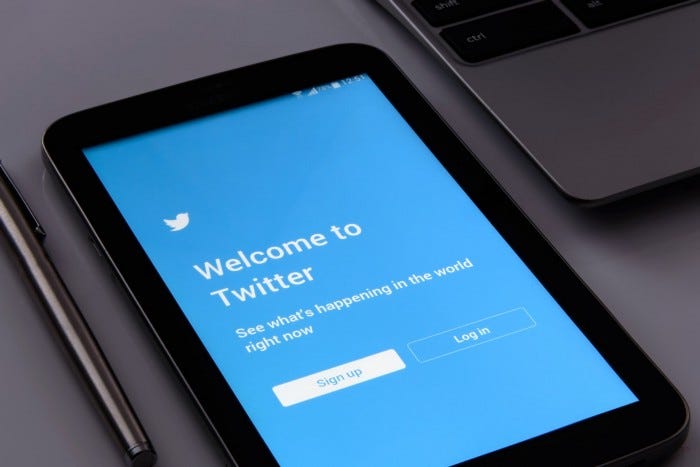
It’s one of the best decisions I’ve ever made.
A lot of my focus on less dopamine-stirring tasks has returned and I don’t miss for a second the stress/anger/anxiety that would flood my system when some heinous news or opinion would cross my feed.
Once in a while in real life, I’ll hear someone ranting and raving about what they read in the news about COVID or Trump and I just ask: “how is this improving your life in any way?”
I’ve been back on Facebook occasionally because it’s the only way some people my age communicate, but my activity there is almost non-existant other than saying “Happy Birthday” and posting the occasional picture from my kids’ hockey tournaments.
A couple of months ago, I logged back on for a day to see if I could make a mindful return to the platform. Having access to 14,000 followers when you’re trying to re-start a writing career is seductive indeed.
I logged back out almost immediately. It felt awful being back, like going back to high school or moving back to your old hometown. It felt like I was going backwards.
The Elon Musk circus, the reinstatement of Donald Trump, all the associated toxicity — it has all further confirmed that I made the right decision to leave.
I was as big a fan and user of the platform as you would have found in the past and I can tell you with confidence: your life is worse for having Twitter in it.
Friends, thank you so much for reading this piece all the way to the end! If you enjoyed it, please do give it a few claps so others can find it!
Have you found Medium via this story but aren’t yet a member? Did you know membership starts at just $5 a month (and you can cancel any time)? There’s no risk and you get access to all Medium has to offer. To continue reading stories like this and give me a ‘lil kickback, please consider supporting this publication directly by using my link to sign up! You can also leave a tip using the button below if you enjoyed this article!


