
I Quit Social Media for 365 Days To Improve My Mental Health — Here’s What Happened
A comprehensive overview of my journey, lessons learned, and best practices
One year ago, I quit social media.
I was tired of wasting so much time, mental space, and energy. Tired of how inadequate and isolated it made me feel.
Whenever I logged on to Twitter (now X), someone announced a book deal. On LinkedIn, acquaintances got promotions. On Instagram, friends posted pictures of their parties without me, a painful consequence of living abroad.
As an aspiring author, I felt unsuccessful. As someone who traded a high-paying corporate job for solopreneurship, I felt lost. As a human living thousands of miles away from my childhood home, I felt lonely.
The worst part, though, was that I felt guilty for feeling crappy. For comparing. For having bad days when everyone seemed to be so happy and successful.
It was exhausting.
And I’m not alone. Multiple studies have found a link between social media and an increased risk for mental health issues. Why? For three main reasons:
- Social comparison: A 2014 study concluded that people’s self-esteem lowers when exposed to posts showing amazing lives — even if they’re fake. Though most of us know we’re only seeing half of someone’s story online, we still compare ourselves unconsciously, a perfect breeding ground for feelings of inadequacy.
- The ‘Feedback loop from hell’: In his bestselling book, The Subtle Art of Not Giving a F*ck, Mark Manson talks about the “feedback loop from hell,” a modern-day epidemic. As we don’t usually see people showing their anxiety or fears online, whenever we feel a negative emotion, we believe we’re failing. And then we feel guilty for feeling guilty, a never-ending cycle.
- FOMO (Fear Of Missing Out): Seeing other people hang out without us (especially true when living abroad) makes us feel like outsiders. Isolated.
That’s why in January 2023, I decided to quit social media to improve my mental health, a break-up I’ll discuss in this post, covering:
- The journey itself, including the key insights I learned and results.
- The Aftermath: Will I go back to using social media?
- Whether it was worth it, as well as a summary of the useful tips I learned throughout the year.
Despite its ups and downs, quitting social media for more than 365 days has been a transformative experience.
Here’s why:
PART I: Becoming ‘Antisocial’
For me, quitting social media meant deleting:
- Instagram (the bane of my existence, the time sucker, the comparison battleground).
- LinkedIn (bye-bye reminders of how my life could’ve turned out if I hadn’t quit my business consulting job).
- Twitter/X (too much drama, book-related and otherwise).
I kept Facebook (I don’t use it, so who cares) and YouTube (my go-to place for educational content). I didn’t delete these since I didn’t believe — and now know for sure — that they’re not detrimental to my mental health.
And that’s the first insight I want to share: You don’t have to delete everything. Simply target the main offenders, the apps that suck up your time and make you feel crappy.
For you, that might also mean deleting TikTok (I never downloaded it, so it’s not on my list). Or you might want to keep LinkedIn or Instagram because they’re work tools.
What matters is walking away from what’s harmful.
In my case, once I had a clear why (improve my mental health) and a tangible goal (delete Instagram, Twitter, and LinkedIn), I went all in.
Here’s what happened:
Months 1 to 4
The first four months were tough.
As I was spending so much time on social media pre-quitting, I was restless. The urge to scroll, to do something — anything —with my phone was insane. And the FOMO…
Damn.
Though I didn’t cave in, my phone usage was still exceptionally high.
Instead of LinkedIn, Instagram, and Twitter, I spent countless hours browsing on Amazon, watching YouTube videos, or signing up for random newsletters.
Sure, my mental health improved as I wasn’t exposed to highlight reels. But I was still wasting absurd amounts of time on my phone.
By the end of January, I decided to limit my leisure phone usage to one hour per day (watching a video for writing research didn’t count) and to journal whenever the urge to scroll was too intense.
I wanted to get acquainted with my triggers.
That’s why, from February to April, I did a lot of introspection. I learned that I craved social media when I experienced:
- Boredom (probably the #1 reason we all fall into the social media rabbit hole).
- Loneliness (more on this later).
- Social anxiety.
- Procrastination.
- FOMO.
- The need for social validation.
That last point is key. I already suspected the other reasons.
But the last one shocked me.
Realizing I used social media to validate myself and my experiences was eye-opening, and discovering why was heartbreaking. Growing up with an absent father, I always craved his approval, a need that has shadowed my life.
It’s why I had been chasing traditional publishing though it makes no financial or creative sense to me. Why I had been spending so much time thinking about what cool activities I could do to post on Instagram.
Why likes and comments felt so delicious.
Working on unlearning this need is the main benefit I’ve gotten from this experience.
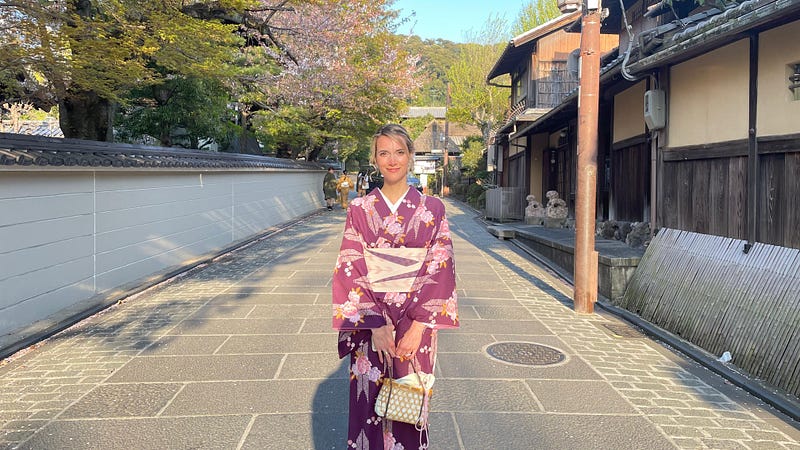
In fact, in April 2023, I traveled to one of my dream destinations: Japan.
Validation-seeking Alexa would’ve spent more time trying to capture Instagrammable moments than actually enjoying them. She would’ve rushed to post countless pictures, to collect hundreds of likes.
But I didn’t.
Yes, I took some pictures, and my husband even made an amazing video. But we only shared it with close friends and family. 95% of the 700 followers I have on Instagram will never know I went to Japan.
And I finally don’t care.
Months 5 to 8
Before quitting social media, I thought overcoming the initial urge to scroll would be the hardest part.
I was wrong.
In the first four months, I didn’t spend much time thinking about my relationships because I was too focused on deciphering triggers and finding ways to spend my newly freed time (more on this later). Once this was done, though, an unwanted emotion crept over me: fear.
They’ll forget about me.
This thought assaulted me from May to August, when most of my family and childhood friends celebrate their birthdays. By then, I had been living in Spain for 6 years (now 7). So I feared my “antisocialness” would widen the distance between us.
Desperate, I checked Instagram on my PC (I kept my account). I already felt lonely in Spain — making friends as an adult is incredibly hard. I didn’t want to lose the ones I had.
The problem was that every time I went back, I felt worse.
As I hadn’t checked Instagram in a while, my FOMO rose to an all-time high. Every time I went back, a gaping hole tore into my chest.
Three weeks into May, I knew I had to make a choice: Redownload everything or walk away 100%— no quick PC checks.
As you can guess, I chose the latter (thank you, past Alexa!). And, to my surprise, everything improved.
I didn’t lose any friends — of the real sort, not the fake ones typical of social media — and I even made new ones, another incredible benefit of this experience.
Though my husband is a local (the most amazing souvenir from my business consulting days) and his family and friends have welcomed me with open arms, I was still missing other, independent connections.
As I was too hung up on my life pre-Spain, I wasn’t focusing enough on building a life here. But quitting social media changed that:
- Now that I wasn’t compulsively checking Instagram while waiting for the Zumba class to start, I spoke to other people and made a new friend.
- Now that I had more time, I arranged more plans with friendly Spanish acquaintances (now friends).
- Now that DMing wasn’t an option, I hopped on long calls with my childhood friends on their birthdays and many other days.
Though it seems counterintuitive, quitting social media helped me feel more connected to others.
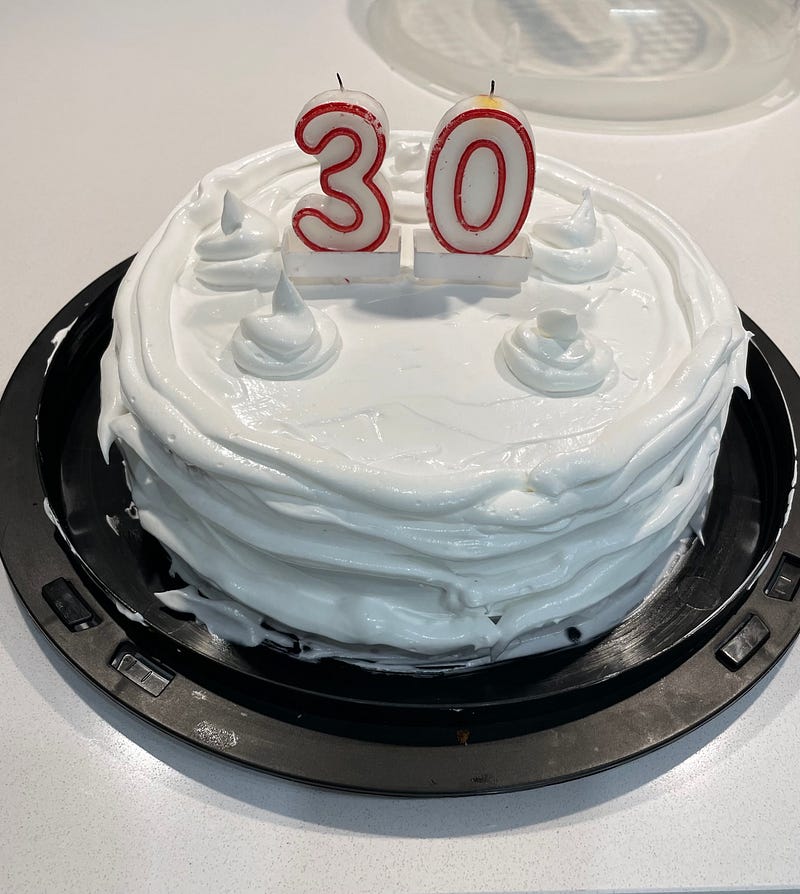
In fact, my birthday was in August. And though fewer people congratulated me, the ones who matter did. It was a fantastic day.
This experience helped me understand that one deep relationship is worth more than 100 shallow ones, a truth the longest-running study on happiness has confirmed.
Months 9 to 12
I was on a roll in the last months of my no-social-media year. I got to experience all the benefits:
- Increased connection to others (as mentioned before).
- Reduced feelings of inadequacy. Now that I wasn’t constantly exposed to other people’s highlight reels, I stopped thinking so much about my shortcomings. I felt happier, more content.
- Reduced need for validation (as mentioned before).
- Increased authenticity. Since I no longer felt the need to portray a certain image or fit a popular trend, I felt more attuned to my wants and needs. I felt more connected to myself.
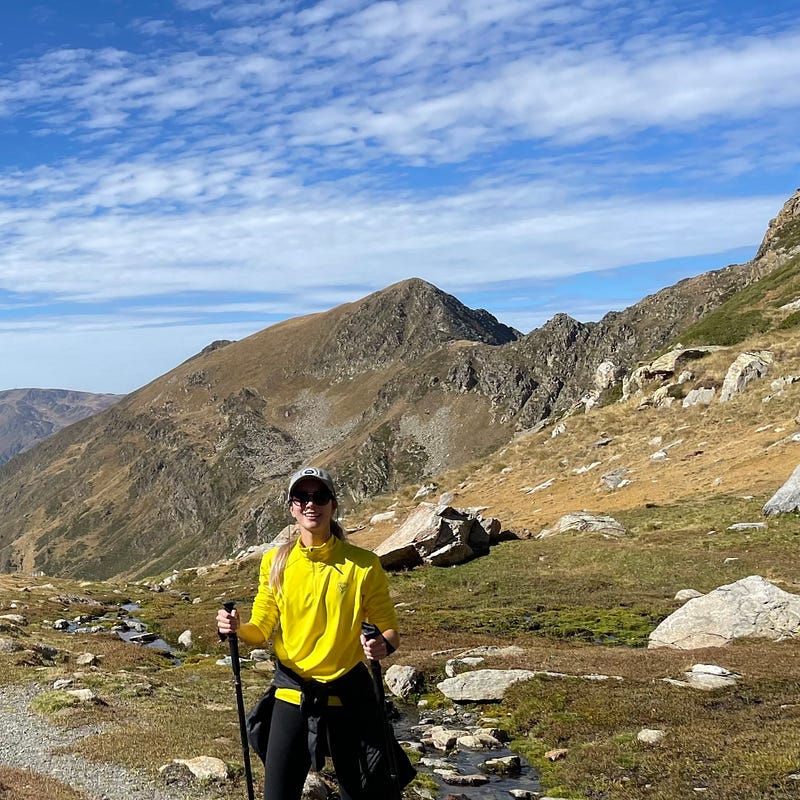
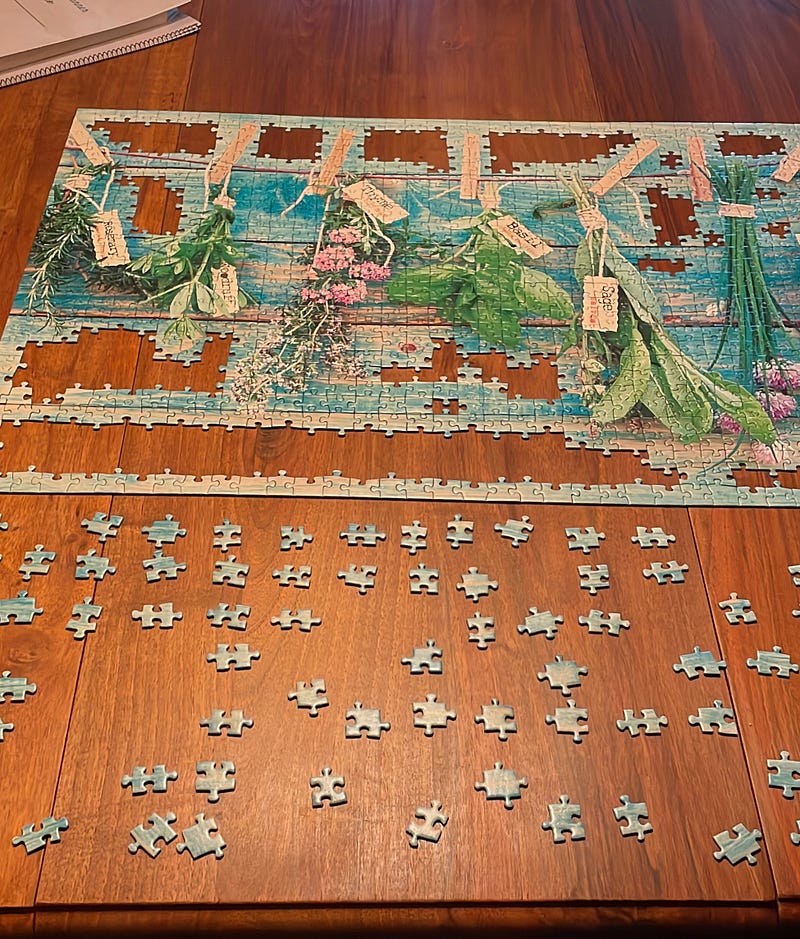
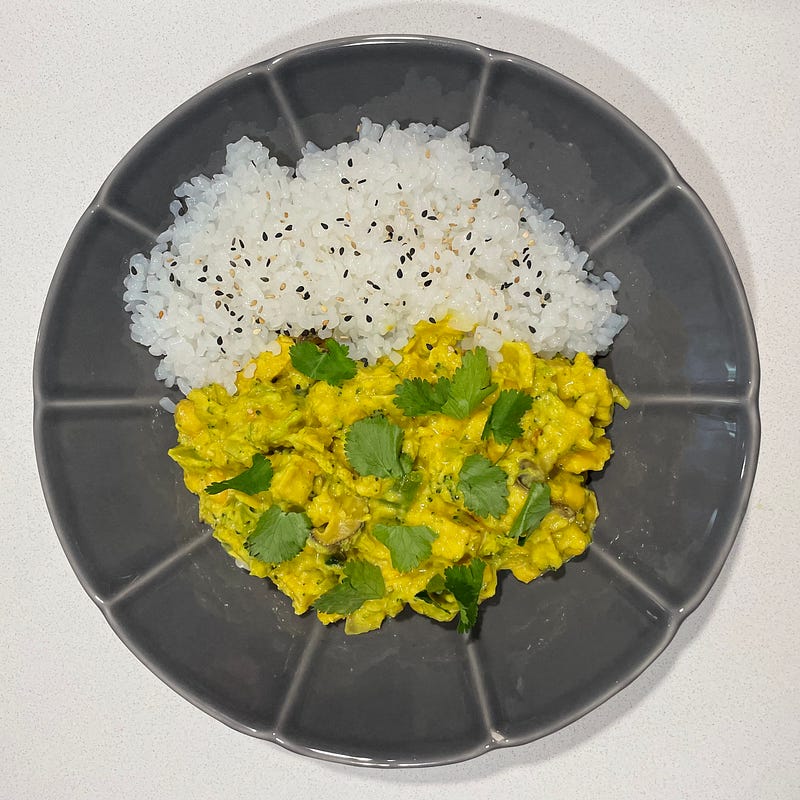
- More fulfilling downtime. Once I limited my phone time, I was left with many free hours every day, which I filled with more writing, reading, puzzle-making, exercising, and even cooking. Moreover, though I had the same workload as previous years, I took better care of my health last year because I had more time to walk and prepare nutritious meals.
- Increased productivity. As I was limiting the time I spent on my phone and no longer had notifications popping at all times of day, I could engage in deeper work. Moreover, I used to check social media as soon as I woke up, which filled my brain with useless information and already put me in a distracted state for the rest of the day. Now, though, I get out of bed, stretch, and sit down to work.
- Better sleep. Instead of scrolling on my phone before bed, I resumed reading. This reduced my blue-light exposure and improved my sleep quality.
- Less impulse buying. This benefit might seem silly, but I’ve bought less stuff this year. And I’m pretty sure it’s related to getting off Instagram and not being constantly bombarded with perfectly-tailored ads.
- More learning. I primarily spent my “phone time” on YouTube or Medium, learning about new things. While I cooked, I put on a video. While I dried my hair (takes me a long time), I read interesting pieces on this platform.
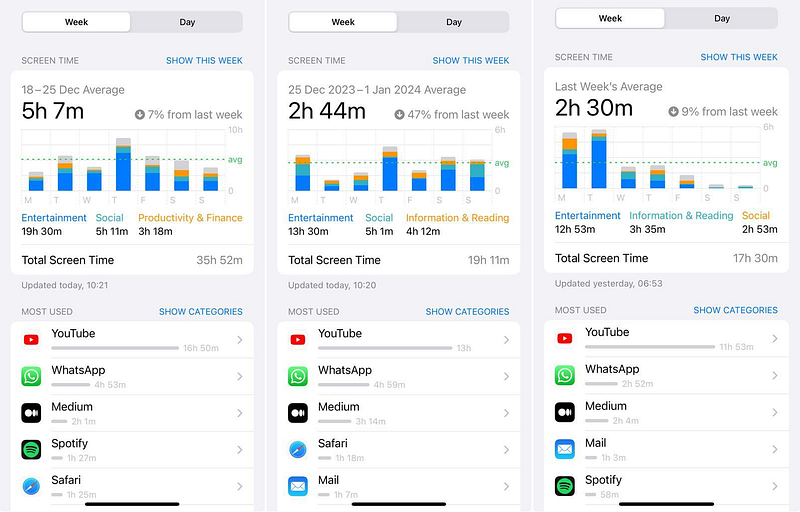
Overall, quitting social media for a year was an incredibly positive experience.
Despite its initial challenges, it has definitely improved my mental health, helped me feel more connected to others — near and far — and allowed me to squeeze more out of every day.
Does this mean I’m quitting social media for good?
PART II: The Aftermath
I re-downloaded Instagram two weeks ago.
A year had passed since I’d quit. I had learned many lessons and reaped several benefits. I thought it was impossible for me to lose track of time or fall prey to social comparison like before my detox.
Ha!
Two hours flew by in what felt like a blink. Hours that left me shaken. I had missed so much.
So and so had gotten married. That other girl who’d gone to school with me had had a daughter and had hosted an amazing baby shower. That other acquaintance had traveled to an exotic destination.
For two hours, I scrolled mindlessly before I caught myself: I didn’t quit social media for a year just to be back here.
Should I quit forever?
Someone else might answer yes. My brother, for instance. He’s a digital ghost. Never has and never will download anything social.
But I’m not him.
Though I’ve loved the mental peace 365 ‘antisocial’ days have gifted me, I want to try to reclaim parts of my digital presence. I want to learn to use social media more healthily.
And fortunately, there seems to be a way.
How to set up a win-win social media environment
After combing through several studies and course on happiness, here’s what I’ve learned about how to better use social media:
- Limit the number of social media platforms to a maximum of two. A 2014 study concluded that “people who report using seven to 11 social media platforms had more than three times the risk of depression and anxiety than their peers who use no more than two platforms.” That’s why I’ve decided to keep Instagram — I miss seeing my friends’ posts — while I’m going to walk away from Twitter/X and LinkedIn permanently. If I want to use the latter for work in the future, I’ll reconsider this choice. But for now, keeping things minimal is the way to go.
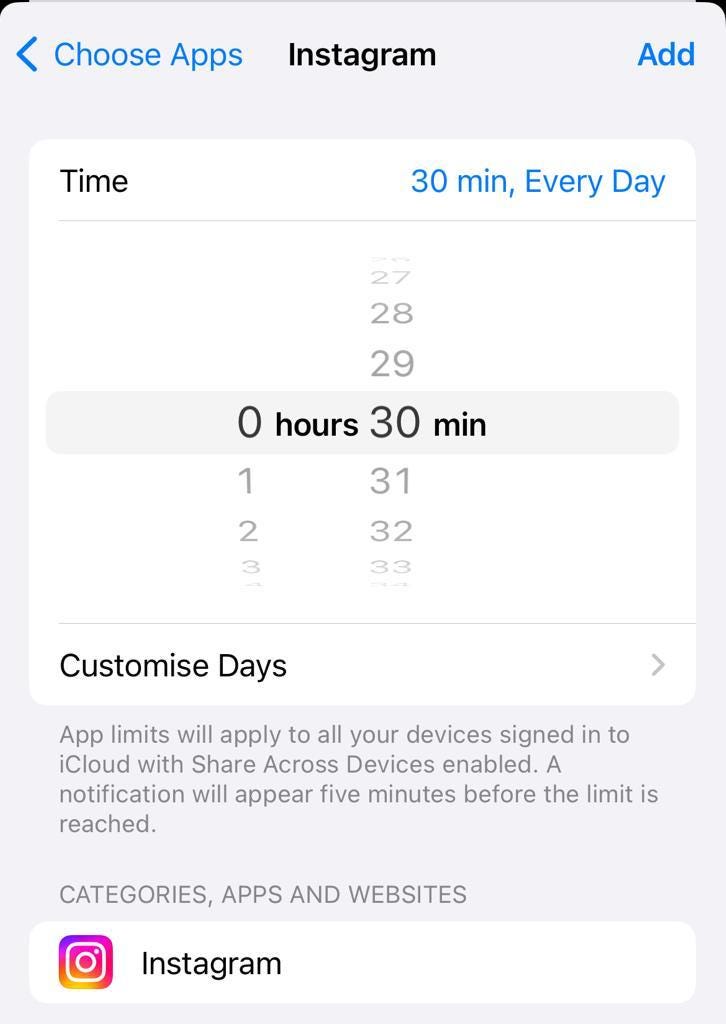
- Reduce your social media consumption to 30 minutes per day. A 2018 study showed that “limiting social media use to approximately 30 minutes per day may lead to significant improvement in well-being.” That’s why I’ve set a time limit on my phone’s settings (as seen in the picture below). Here’s how you can do it on iOS and Android.
- Change your feed. Professor Santos from Yale’s famous course, The Science of Wellbeing, recommends we actively create our social media feed. This means warning the platform when we find harmful content and liking posts that make us feel good to “educate” the algorithm. In my case, I want Instagram to be a digital place where I can see what my closest friends and family are up to. That’s why I’m going to unfollow and reduce my follower count to less than 30–40 people max. I’m also going to get rid of Instagram’s follow suggestions. I want Instagram to be a digital album I can share with the people I love.
- Practice gratitude. According to Professor Santos, we can’t experience gratitude and envy simultaneously. In other words, if we have a regular gratitude practice, we’ll reduce the effect of social comparison typical of social media. That’s why I’ve made it a goal to write down three things I’m thankful for every day (preferably before or after I use Instagram).
- Thought stopping. As soon as you feel yourself socially comparing and feeling crappy, scream, “Stop.” This is a cognitive behavioral therapy technique that helps you interrupt downward spirals.
With these five strategies, I’m looking to improve my relationship with social media. It will hopefully help me — and can also help you — avoid wasting time while protecting my mental health. Win-win.
Note: Please remember that everyone’s idea of the perfect social media app is different, so if you choose to keep more apps or want to keep tons of followers on Instagram, that’s perfect. We must all do what personally benefits our mental health.
PART III: Was It Worth It?
Quitting social media for more than 365 days was hard. It forced me to deal with feelings of isolation and inadequacy — even with past traumas.
But it was worth it.
Not only have I gotten to know myself better, become more productive, and felt happier; I’ve also connected deeply with the people who matter most.
However, quitting for a year might be unnecessary.
True, a detoxing period can help you analyze your triggers, experience the benefits of a digital ghost’s life, and reset your habits. But 30 days might already be enough.
What matters is that we heed what Cal Newport recommends in his bestselling book, Digital Minimalism — that we view the digital declutter process as a set of three steps:
- Abstinence: a 30-day or 365-day period where you quit social media. No random PC visits to your account (unless absolutely necessary).
- Exploration: This is the personal journey you’ll go through during your abstinence period. To make the most of this time, limit your phone time so you can try new hobbies, reach out to your loved ones through old-fashioned calls and texts, and keep a journal where you analyze your triggers and the reasons why social media is detrimental to your mental health.
- Curation: This is the post-abstinence process, where you should evaluate whether you’ll reintroduce social media and how. Some tips for establishing a healthier social media environment are: limit apps to only 2, limit your usage time to 30 minutes, clean your feed, practice gratitude, and try thought-stopping.
Quitting social media will be challenging. You’ll likely struggle with isolation and uncover unwanted truths about yourself. But this discomfort is what will push you into trying new things and reflecting on why and how you want to use social media in the future.
Armed with these crucial insights, you’ll hopefully transform your social media experience into a win-win scenario.


