I Miss Libraries
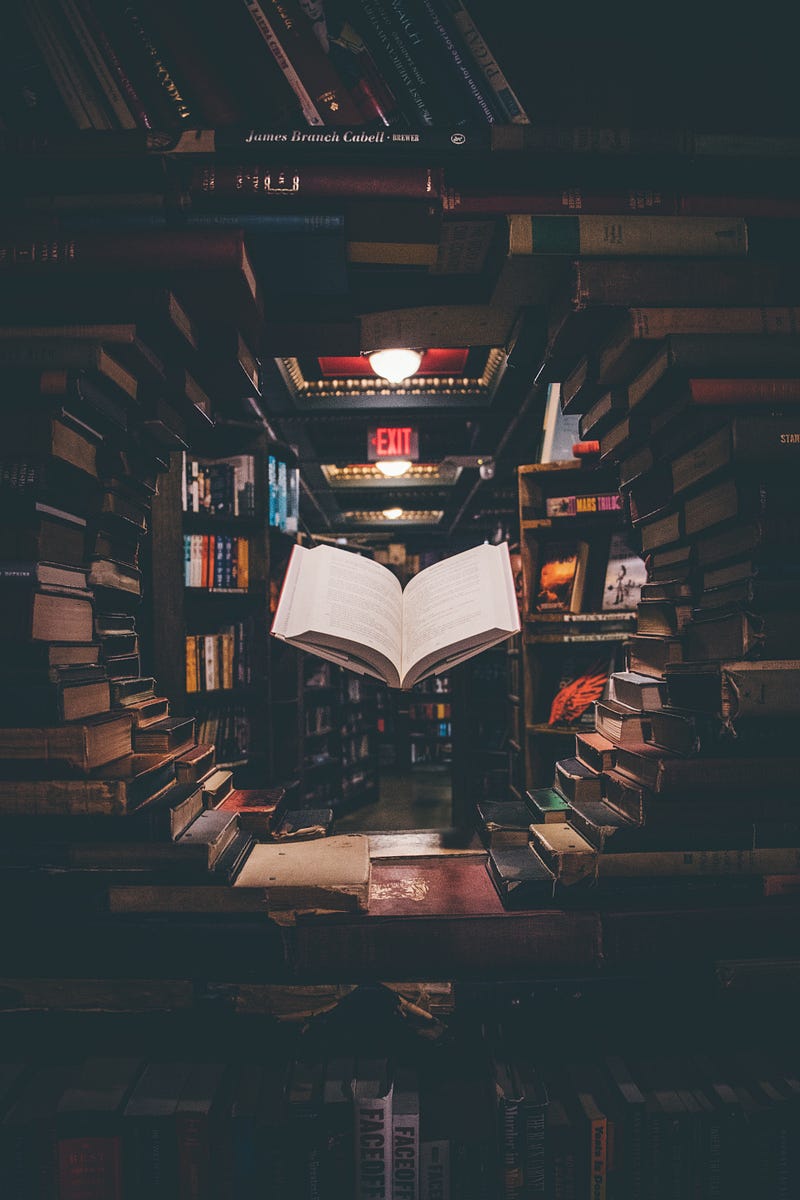
Books are sacred to me.
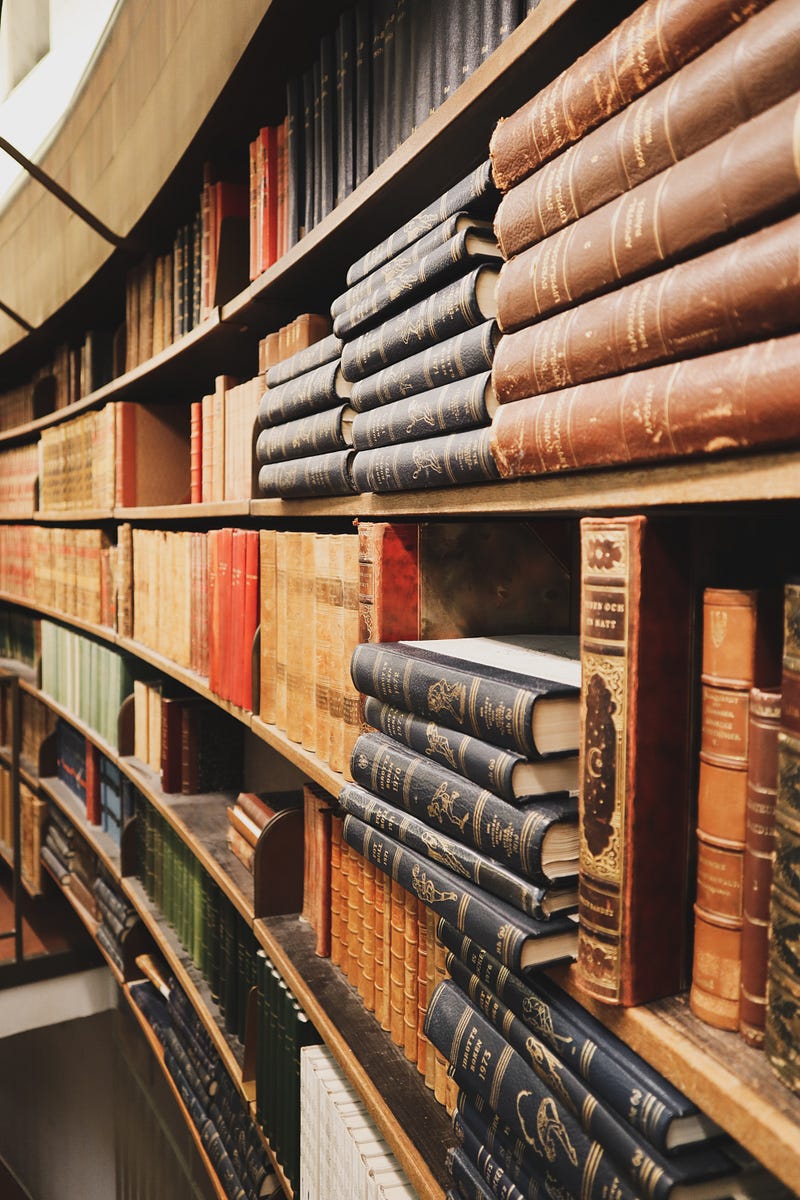
I’ve been missing libraries for a long time. Over a year and a half ago, I retired and moved from California to Thailand, after a lot of research, and planned to live there for the rest of my life. Living there was almost everything I hoped for, and I was extremely happy, but there’s one thing I didn’t take into consideration: How much I loved libraries, and how much I’d miss books.
Don’t get me wrong. I bought a Kindle, and filled it with 100 books, and another 300 in the Cloud. It’s great on a plane, or in a laundromat, or any place where I have to carry heavy things and the weight of a book would be the straw that broke my poor camel’s back.
But there’s nothing like the touch of a book, the tactile quality of turning the pages and listening to their quiet whisper, and the scent of older books, that delicious dry-paper smell. I LOVE books.
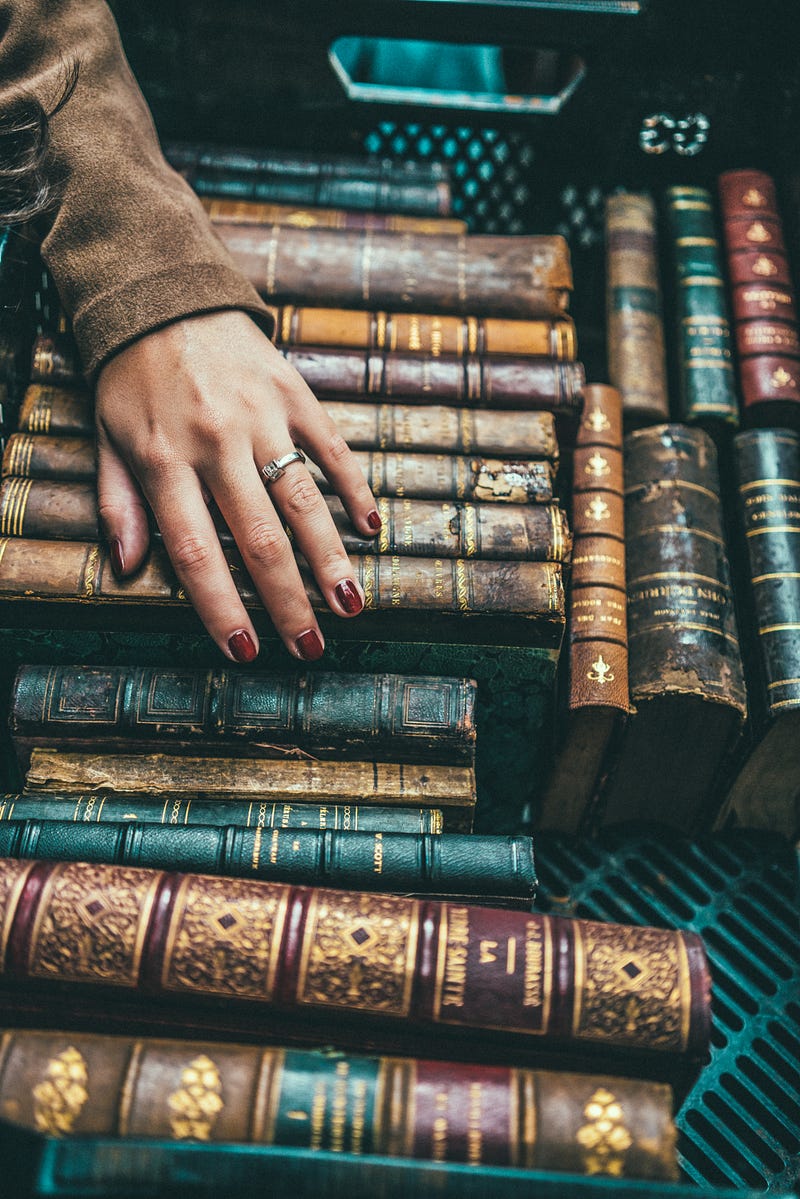
Before I moved to Thailand, I had 40 boxes of books. I whittled it down to 10 boxes before I moved, but that’s still a stupid silly amount of books to pay to ship across the world. Even so, I’m glad I did. I read or reread all of them in that first year.
But because I was trying to immerse myself in the Thai culture and only had Thai friends, there was no one to talk about books with. Thai people, in general, don’t read books. I saw somewhere that the average Thai person only reads, on average, 6 lines of a book per year. Yes, their script is incredibly difficult to read, I get it. But not reading? That was the one thing that was the most foreign of all for me. All of the other cultural differences I greeted and learned and was grateful for. But not reading? My mind couldn’t wrap itself around that at all.
Every day, I read a book, and not the 15-minute versions, either. A whole book, every day. (Once, when I was a teenager recuperating from a long illness, I read all of the Dick Francis novels in two weeks, 45 books, three novels a day.) These days, right after breakfast I start a new book — I read for an hour and a half while lying in a lounge chair on the deck listening to birds, and I finish the book during supper.
It’s usually not a physical book, because I gave away all the rest of my books at the beginning of this year before I embarked on my nomadic life, but it’s still a real book. I rotate among philosophy, Science, science fiction, fantasy, self-improvement, history, biographies, mysteries and thrillers. I’m forever grateful to each dedicated writer who spent hundreds of hours pouring her passion on the page, hoping to touch the reader.
I especially treasure books by deceased authors, because they are written by people who we can never meet, but who are able to communicate with us because they so generously spent their time for our benefit. We can get inside the minds of geniuses through books, or understand the warm heart of kind people, or learn from the wisdom of those who’ve lived through hard knocks and grown from it, saving us the scars.
There are grand books, like the oldest book in the world, the Etruscan Gold Book, from 600 BCE. It’s six plates of gold, two inches high, bound by two gold rings. The Book of Kells, from 800 CE, is possibly the most beautiful illuminated manuscript in the world, conveying sacred texts in gorgeous designs, and yet the whimsy of the transcribers shows through as well.
There are super-intelligent books. Leonardo da Vinci’s working notebooks are stuffed full of brilliant inventions and ideas. Stephen Hawking’s A Brief History of Time covers the whole universe. A biography of Marie Curie, the first woman to win the Nobel Prize, shows a woman’s quest for scientific knowledge at the price of her own life.
There are humble books, like Opal: the Journal of an Understanding Heart, the journal of a six-year-old French girl living in an Oregon lumber camp 100 years ago; or any biography of Mother Teresa of Calcutta (her order’s fourth vow is to give “wholehearted free service to the poorest of the poor”).
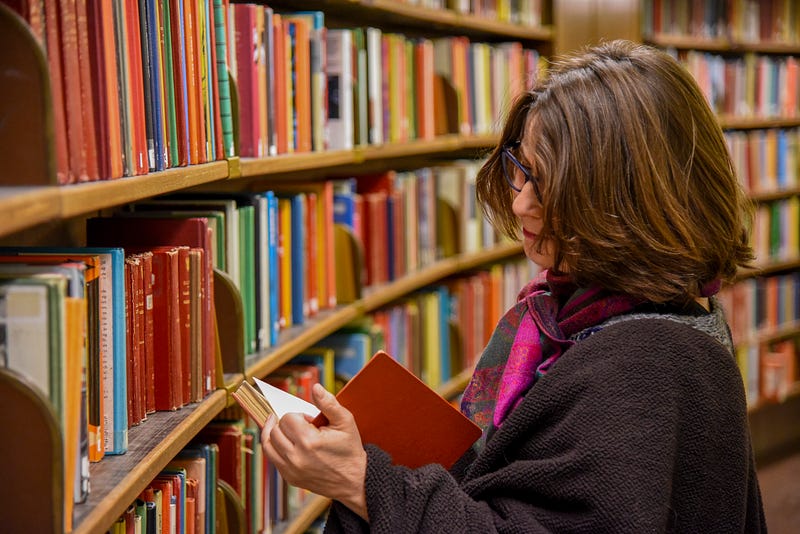
But I started off this essay missing libraries. It’s those tangible books again. You can wander through a library and, by turning down a random aisle, discover something fascinating you never would have explored yourself, like Navajo code-breakers during World War II, or how to make traditional Norse skis with fur on the bottom to help climbing back uphill, or books about female inventors who created things like flame-resistant plaster or how to de-ice airplane wings.
There are libraries with specific collections, like the Indiana University Ruth Lilly Medical Library, or the As-You-Like-It Metaphysical Lending Library, the Nobel Library (only books written by Nobel winners), the Gothic Romance Lending Library, and any number of art libraries and engineering libraries. There are even libraries for librarians!
Libraries are like churches to me, with their reverent hush. That reverence may be for knowledge rather than spirit, but it’s sacred all the same.
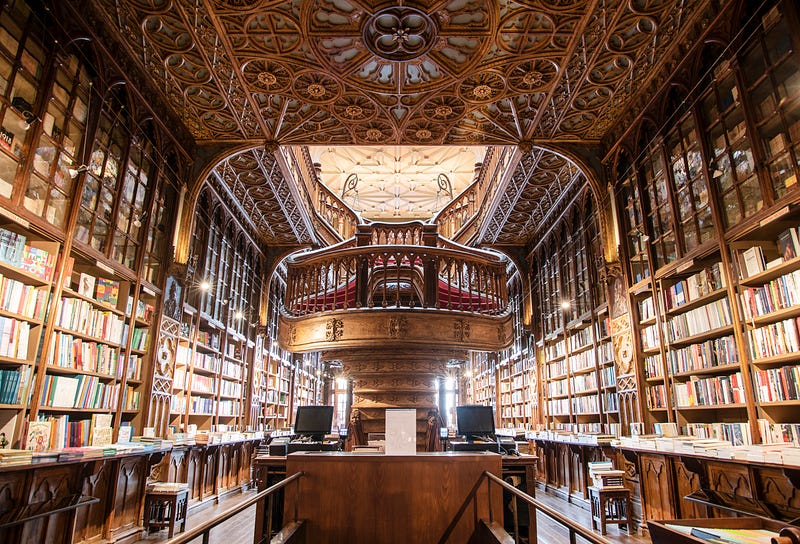
Some libraries even resemble churches, like the Royal Portuguese Reading Room in Rio de Janeiro, Brazil, the Library of El Escorial in Spain (a UNESCO World Heritage site with frescos of the liberal arts above the shelves), and the Strahov Monastery Library in Prague, Czech Republic, with paintings on the ceilings and a “compilation wheel” that rotates six small shelves for ease of access to the books (it looks like the paddlewheel of a steamship, and I totally want one).
To satisfy my library cravings, I’ve added several libraries to my Bucket List to visit as soon as world travel is possible again. First up, Trinity College Library in Dublin, Ireland. The Book of Kells lives there, and you can rent a room there during the summer! Then Beitou Public Library in Taiwan, which was built with green eco principals, and has rocking chairs on the balconies for your reading pleasure. Also on the list is the Bibliotheca Alexandrina in Egypt, a 2002 revival of the library of Alexander, which includes not only libraries with books in English, French and Egyptian, but also museums of antiquities and manuscripts, a permanent exhibit on the history of printing, and a laboratory for the repair and conservation of ancient manuscripts.
I’ll finish with one of my favorites, the Bodleian Library, which is the main research library of the University of Oxford, with 12 million volumes, and is one of the oldest libraries in Europe. Right now, they’re offering online some of their exhibits since 2001. Guess where I’m spending my afternoon? Visiting a library!