
Writing
I LOVE YOU ABE LINCOLN!
I brought my quill
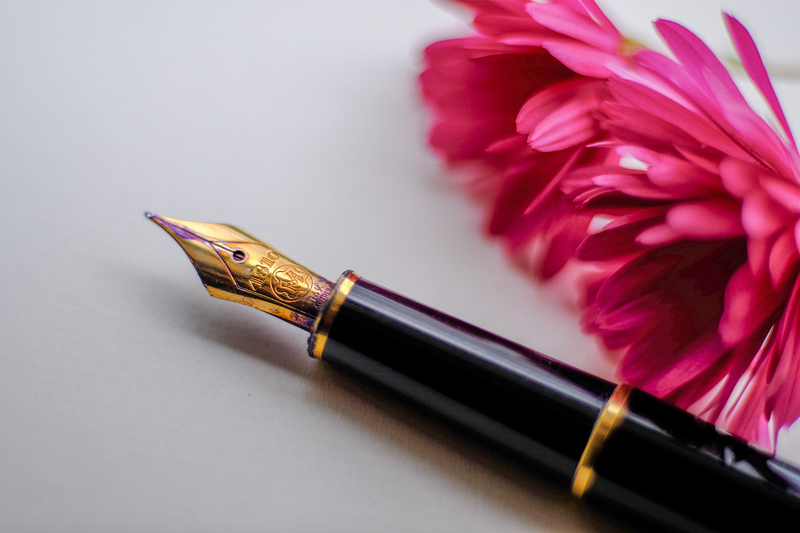
I used to swear by a pencil and paper. Swear! Take no prisoners. Die on the battlefield, commitment to writing with my right hand. My left hand was for eating or smoking or scratching. I wasn’t playing the piano. I was writing. It was asymmetrical.
My jump from pencil and paper to my Brother Word Processing Machine was like a leap into outer space. The sexy ink whirring onto the page made me feel like I had my very own printing press. The final product seemed like something you could bind.
Then I graduated to a classic collector’s item Red Remington typewriter, which was more like a middle-aged crisis than a typewriter. I admired it. The ‘e’ never worked, but it was pretty. It made me feel like a flashy Ernest Hemmingway.
I never believed, in all my days, that I would ever write a first draft on a computer. “Heresy!” I would have declared. Words were not supposed to appear on a screen as soon as they came to mind.
Writing a first draft on a computer felt like giving up on Abe Lincoln. It felt like exiling his candle-lit cabin where he dipped his feather into his ink well, his white blouse ink-stained like blood, foreshadowing his violent end. How could I tell Abe I gave up the quill?
I’ve found a compromise. Writing is writing. If you’re out of practice at writing endlessly on paper, you can take notes. You can draw pictures. You can organize ideas with diagrams. You can storyboard. Just put a pen or pencil in your hand and move it along the paper.
First drafts, I have learned, survive when created on computers. They don’t spontaneously compost or spew terrible writing. Some people have been doing first drafts on computers their whole lives, never really experiencing the long-windedness of the endless pen, and they’re fine. They’re writers. They’re real.
But for those of us who remember writing with a pen on paper, we can go back. For those of us who have actual memories of sitting and writing by candlelight or lamp with a glass of wine, whiskey, or tea, it’s different than a first draft with the screen looking back, flashing the words in our faces.
You know the feeling. When you write by hand, the paper embraces the words. The paper holds them differently than the screen’s tentative grasp. It makes the words permanent, harder to let go of. It gives them a home.
Computers are wonders and I am writing on one now, but early, I sat with a pen and paper and time stopped. I can retype handwritten words onto my computer, but they will remain where I first left them.
I still swear by pen and paper. Sometimes I don’t swear loud enough, but when I do, I scream this “I LOVE YOU ABE LINCOLN. I BROUGHT MY QUILL!”


