
I Love My Scar — Finally, My Outside Matches My Inside
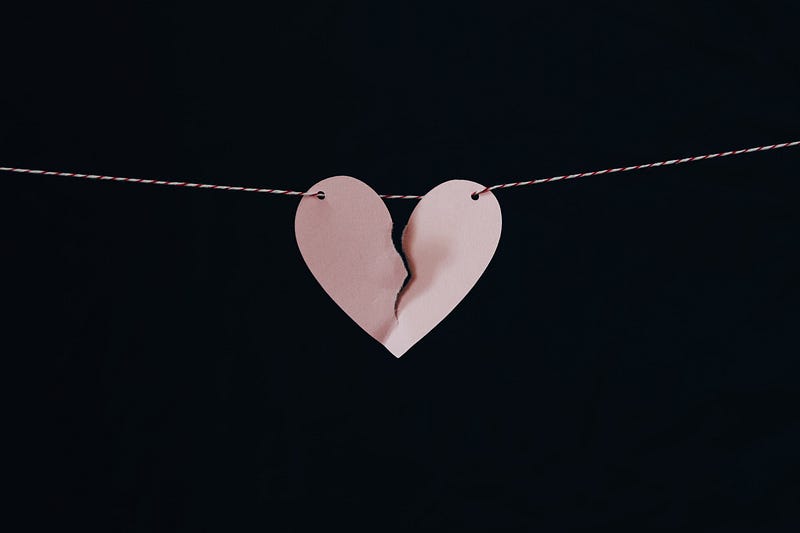
Metaphors are often used in therapy as tools for understanding emotional traumas. They can be used to reframe and shift perspectives for a healthier mindset. Since my daughter died almost 18 months ago I’ve often read and heard about the scar metaphor. I’ve heard many versions of the following, but this one truly spoke to me. The author is G. Snow (I can’t be certain, this was all I could find).
My scars are a testament to the love and the relationship that I had for and with that person. And if the scar is deep, so was the love. So be it. Scars are a testament to life. Scars are a testament that I can love deeply and live deeply and be cut, or even gouged, and that I can heal and continue to live and continue to love. And the scar tissue is stronger than the original flesh ever was. Scars are a testament to life. Scars are only ugly to people who can’t see.
The only words I have trouble with are “…and that I can heal…” Can I heal? I will continue to live for as long as fate allows me and I will continue to love because my precious family helps sustain me. But heal? To me, healing means getting over something. I will never get over losing my daughter. I will never understand or accept that I have to outlive my child.
I recently had surgery for a broken collarbone. The scar is visible and conspicuous. My surgeon had warned me about the scar before surgery; I told him I didn’t care as long as I could resume functionality quickly. I’ve found that I don’t mind my scar at all. It makes me feel more real. Finally, my outside matches my inside. My collarbone was broken. I was in great pain, constant pain. Now it is mending and the pain is subsiding but it will never be the same and the scar will always remain. The difference is that while we expect pain and suffering from a physical injury, a mental injury is much harder to tolerate, in part because the pain returns, again and again, sometimes as intensely as before. Yet while we know the course physical pain will take and how to cope with it, we often don’t give ourselves the time and care we need to learn to cope with and carry emotional pain.
After my daughter died I would look at myself in the mirror and wonder how I still looked the same. I no longer recognized the person staring back at me. It didn’t feel right. I don’t feel the same. I will never be the same. It felt like cruel mockery that I looked unchanged. Now at least this scar is visible. It is a declaration that something bad happened. The scar might fade a little but it will always be there. I hope my grief will eventually lessen and not consume me but it will always stay with me.
Just as we need time to recover from a serious injury we need a long time (perhaps a lifetime) to learn how to function again after a terrible loss. It feels wrong to use the word “recovery” when our child is no longer here, but it doesn’t mean we will never function again, it doesn’t mean we will never experience meaning and happiness again.
Sadly we will go through periods as observers, with the inability to function, while everyone else appears to be living and flourishing and we can’t participate because we are still “in recovery.” We will learn how to adjust the way we do many things. We will always have triggers, some predictable, most just random. We will bear the scars of our tragedies forever. We will never be the same. Our scars will make sure we never forget, always remember, always honor and celebrate what we had when we were whole. I love my scar: I look more like myself.


