
I Love My Country, and I Love My Flag
On patriotism and flag worship
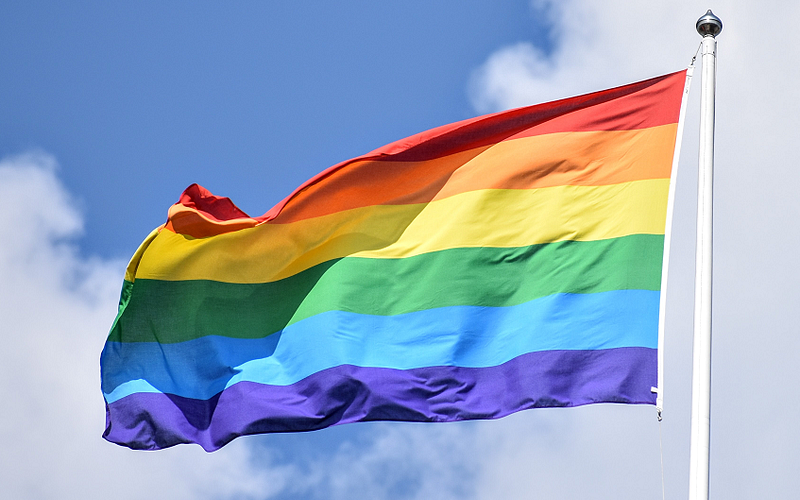
We cannot see our country; it’s too big. We need a point of focus; we need to translate the mountains, lakes, and valleys into something we can grasp, something we can hold close to our hearts.
The flag brings us together.
Anything that goes beyond the horizon appears limitless. To apprehend our country, we need to hold it in our hands like a baby and stand in front of it as we did with our parents when we were small, with feelings of awe and respect.
The flag is the symbol.
The flag aggregates all my thoughts and love for my country. Like the meditation practice asking us to focus on one point in the distance, my love for my country focuses on The Flag. It’s not a specific flag, but all the flags that I see adorning buildings and monuments.
In my mind, they’re a hive of flags merging and forming The Flag, a multi-headed but single consciousness entity, the love for the country.
The love for The Flag is based on three pillars.
Loyalty
In times of doubt, we cannot tell our loyalty to each of our fellow citizens, but we can communicate through the flag.
When I look at a flag, I don’t see weaved material; I see all the people living in and loving my country. Our country. I see them as a group, as a nation, and I see them all individually. And when they look at the flag, I know they see me too.
The flag reminds us of our fealty to each other.
Authority
We were born here or adopted. It doesn’t matter. What’s important is our shared respect for the authority of our institutions. How do we show it? We use a common symbol, the flag.
Why do we show it?
It’s not to show off. It’s first for us. It’s a reminder we live in a society and swore allegiance to the group. Our individualities matter, of course, but the group’s authority as well.
Sanctity
The flag’s fabric itself isn’t important, but the emotionally charged symbolism conveyed is. That’s why, contrary to what psychology researchers might think¹, we cannot cut up an old flag into pieces and use the rags to clean our toilets. It’s a sacrilege. It is not morally acceptable to profane the flag for such a purpose.
If scrubbing the toilet could only be done with a flag. If it was a matter of life and death to defend the country we built, are building, and will build together, then I would gladly use the flag to scrub.
Because I love my country, and I’m ready to step up. No matter how dirty the work.
¹ In this article, the authors discuss if “disgusting or disrespectful actions [are] judged to be moral violations, even when they are harmless?” One of the stories they discuss (page 5) involves “a woman finding an old flag that she doesn’t want anymore. She cuts it up into pieces and uses the rags to clean her bathroom.”
This text is part of the “I have an article for every occasion” movement. It’s in response to R P Gibson’s tweet that stated: “Flag worship and patriotism aren’t the same things.”


