
About Those New Weight Loss Drugs
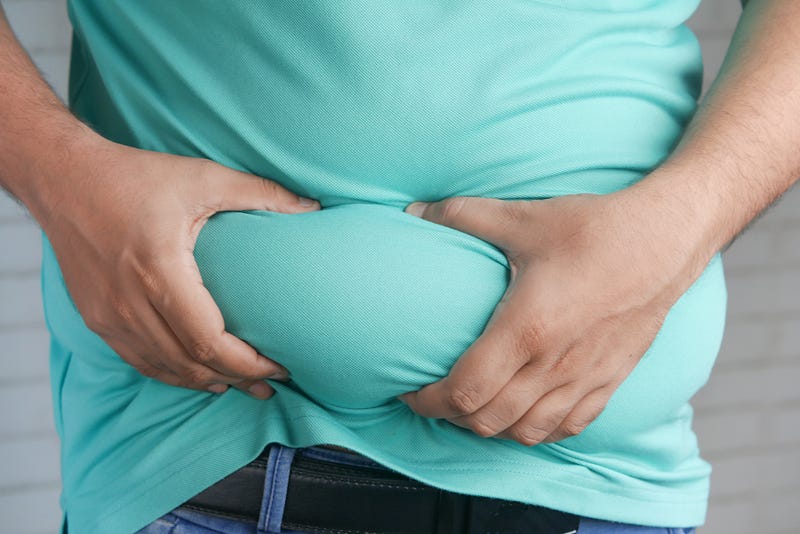
A new class of drugs called GLP-1 (Glucagon like peptide) has been recently hyped for their weight loss benefits. The drugs were developed for diabetics and help with insulin secretion from the pancreas, which makes uptake of glucose more efficient. They also help slow metabolism, decrease desire for food and overall help in weight loss. Compared to placebo, users of these drugs are able to shed 15% of their weight.
However, as these drugs are becoming more popular, there are now shortages for those who need it most. Out of pocket costs can be significant at $900–$1200 per month. Based on the way things are going in 2035, we will be fatter as a world.
But instead of making policy changes for future generations, making healthy foods more affordable, decreasing subsidies for food companies that promote obesity, we can use drugs! These will likely be the most prescribed drugs in history very very soon.
I decided to interview my brother who is a bariatric surgeon (treats obesity with surgery) and recently obtained a board certification in obesity medicine.
DISCLAIMER: This discussion is purely information and based on ONE doctor’s opinions. Before making any health related decisions, please consult with your personal physician.
Who are the right candidates for these new weight loss medications? The right candidates for GLP1 drugs based on the current criteria for obesity would be those with a BMI over 27 with comorbidities that put them into a higher risk category (hypertension, diabetes, strong family history of heart disease).
What are the most common side effects of these medications? The most common side effects we see are nausea, heartburn and constipation. Long term side effects, along with genetic predisposition, can include medullary thyroid cancer. Pancreatitis can also occur but is not common. Some rat models in Chinese studies have shown small bowel obstruction as another possible side effect.
How much weight loss can be expected compared to bariatric surgery? What happens if the drug is stopped? Weight loss with a GLP1 can be in a range of 5–20% depending on the patient. With bariatric surgery weight loss can be much higher than this but obviously with a much more invasive procedure. Stopping the medications can cause weight to come back shortly but this is not the case with every patient. This is especially true if diet is changed and maintained.
Do you see the future of obesity treatments changing with these medications? Obesity treatment in the future will be a combination of nutrition, exercise, medications and possibly surgical interventions. If diet can be altered and maintained, this will be the mainstay in the approach. However, it has been shown that diet and exercise alone have poor long term outcomes on obesity.
What are the most common challenges patients are facing with these medications? Access to medications via insurance will be hard for a number of reasons. Supply is just one but also a lot of insurance companies may choose not to cover the medications for the off label use of weight loss. There will be cash clinics in the future which will offer “peptide therapy” as more people want access to these medications. The medications can be made in compound pharmacies under the direction of an obesity physician and a pharmacy team. If access does not increase from the insurance perspective, it is likely that these avenues will be more and more available until the drugs are widely available.
There are a lot of controversies surrounding these medications but I wanted to put this basic information out for my readers. I personally do not condone the use of medications as a solution for living a healthy lifestyle. They can help steer patients in the right direction, but we know so little about long term effects. However, we do know the long term effects of obesity on the heart, on almost every type of cancer, on depression, and on general well being.
Which is worse: obesity or a partially proven drug class?
I would love to hear your opinions.


