
I Hope I Die First in This Marriage
Developing the strength to love well
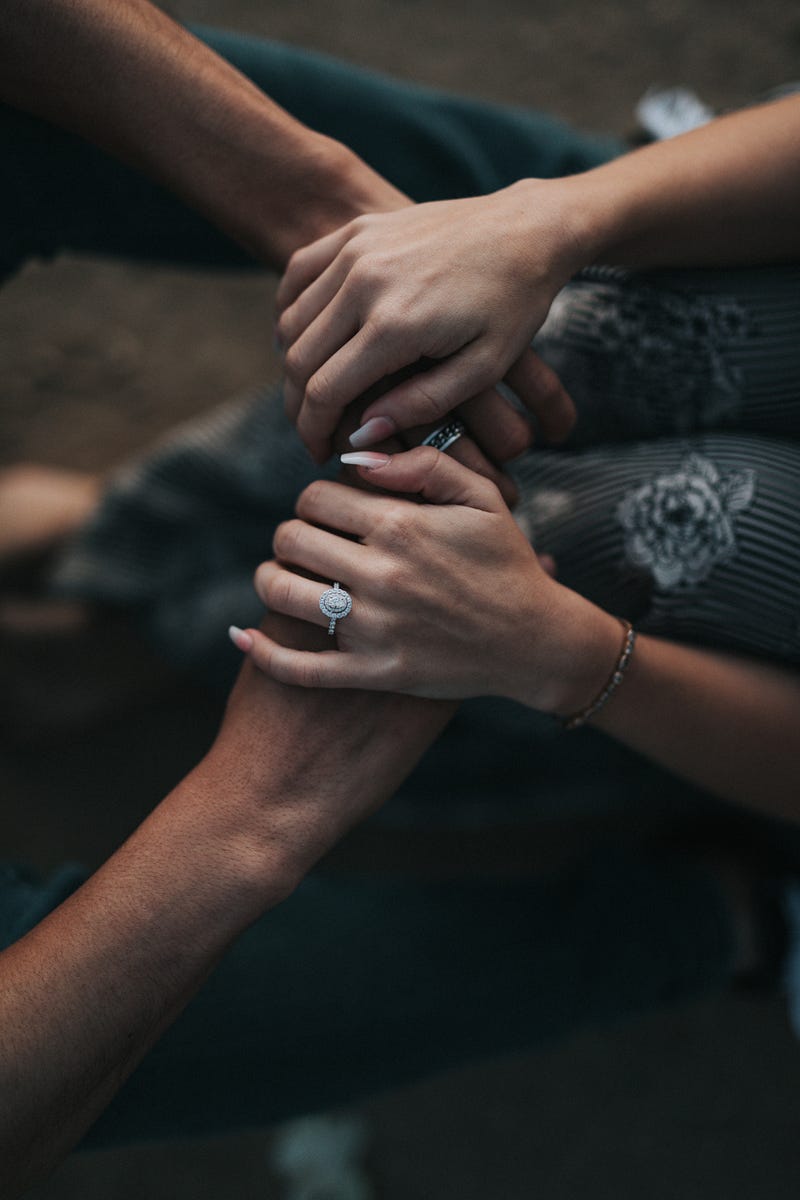
We get married with the intent to stay until the end. We know going into this thing that the end result is “death do us part”. But when I consider the grief that lies ahead as a result of that promise, I feel weak inside.
I Want To Die First
If he dies first, who will hold my hand through it all? If he goes first, who will comfort me and help me self-soothe? I’ll face it alone . . . the sorrow, the grief, the pain.
I know it sounds awful but I’ve said often . . . I hope I die first.
In his book, Authentic Happiness, Martin Seligman, wrote, “Marriage is robustly related to happiness.” Assuming you have a happy marriage, you have probably thought this a time or two yourself. Be honest. You know you’ve thought:
“I don’t want to bury him. I couldn’t take it.”
“He handles these things better than I do, I should die first.”
“He can take one for the team. Not me. I don’t want to live without him.”
Last week when a CT scan showed enlarged lymph nodes in my chest and two small tumors in my lungs, I panicked. After living through breast cancer and hearing “no evidence of cancer” for the last 10 years, suddenly there was evidence of — something.
My insides were shouting, “STOP! I didn’t mean it. I don’t want to die first . . . or second.”
We drove home, went to work, made dinner, called the kids, walked the dog, waited for biopsy results. All the normal things couples do to be happy in marriage.
But my brain kept screaming, “Metastasis. Metastasis. Metastasis.”
Last evening I looked at my husband across the dinner table and thought of how he would suffer if this were true. If the cancer were back. If we faced treatment, sickness, hospice, and death together. How awful for him. I love him. That’s not what I want for the person I love.
I suddenly realized that all of my “I want to die first” comments were wishing the person I deeply love to suffer, just because I don’t want to deal with it.
Who Do I Trust?
Being in a long-term, committed relationship takes courage. It takes flexibility and risk. It also takes trust and faith, but not only in your spouse . . . in yourself too.
If you let it, marriage has the ability to place you in a vulnerable position. Loving isn’t for wimps. It requires that we stand firm through hardships and tolerate disappointments. It means when biopsies happen, you lay in bed late into the night talking, searching, seeing into each other, going places you’ve never been.
For me, these moments made me acutely aware of our separateness and the finite time we have as husband and wife. I understood for the first time that this cavernous and unsteady connection we were sharing was a piece of the happiness we had signed on for in this relationship.
It wasn’t easy trusting him to be careful with my innermost fears and to respect my private despair, but it was harder yet trusting myself to go to a place of profound connection with him because loving him this much makes it nearly impossible to think about living without him . . . which makes me want to die first.
What If I Succeed?
Can I do this? What would it look like if I succeeded in loving him more than I fear living without him? Or more than I fear my own death? What if I could trust myself enough to truly love my partner? To love him enough to shift my thinking to . . .
“I don’t want you to die, but it’s okay if you go first.”
“One of us will die first, but we’ll be okay. No matter what comes, I can take care of myself because being with you has made me strong.”
Can I love him well enough while we have this time together?
The only way I can succeed in this marriage is to trust myself to love fully and solidly right now — as I wait. I must find a way to maintain myself throughout the tragedies and the downturns of life. I will pull myself through the unease and not internalize it or point fingers. I am trusting myself to rise to the occasion of death and loss, whether it be his or mine. Because it will be his or mine.
In my soul searching, I’ve learned that I have what it takes to comfort myself throughout this biopsy-result-waiting-period and it has created within me a greater capacity to love.
I can see now that we all have the ability to develop the strength to love well, which is to love beyond ourselves.
But I had to believe that I have what it takes. I had to trust myself to discover it. Under the covers through tearful midnights, I had to believe that I have the fortitude. In his arms during frightful daybreaks, I had to be willing to be exposed, to be known, and to be okay.
Do I have within me the grit to live life on life’s terms . . . till death do us part? I am curious, because, for all of us, life holds the hand of death.
This believing in myself to have the strength to be vulnerable enough to be known by another person is the same trust and faith in myself that will allow me to face the answer when the biopsy result comes back. And marriage is the sanctuary where I can wobble and sway, rise and thrive, and not have to worry about who dies first.


