
I Have a Toxic Relationship With Notifications
Why those little bubbles with numbers have power over me
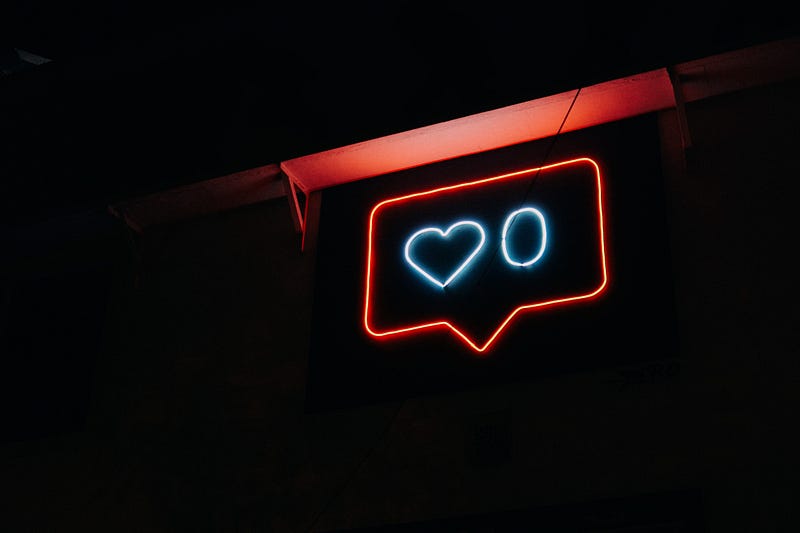
There are two types of people in the world: those with hundreds of unread notifications, and those who can’t relax until their notifications are cleared out. I am painfully the second one.
When people look at my dumb phone and my zero inbox, they marvel at my digital cleanliness. I personally think it’s a little toxic. Why can’t I live life without worrying about what the world wants from me?
The Inbox Zero mentality is about constant vigilance, about never letting the digital tide wash over you. It’s about being a lifeguard, constantly scanning the horizon for rogue emails. — Joe Pinsker, Inbox Zero vs. Inbox 5,000: A Unified Theory
I know, logically, that there’s nothing earth-shattering waiting on the other side of that click. No career-defining opportunity, no viral article that will rewrite my life story, no declaration of eternal love. Just a mundane update, a forwarded joke, a reminder that the hamster wheel of life keeps spinning, even when I step off.
But why, then, can I not resist its pull? Why does my mouse cursor hover, over the little envelope of the inbox, drawn to clean it up as soon as possible?
For some people, the sight of an unread email is like a blinking red light, a constant reminder of something left undone. — Ashley Broadwater, Why Some People Can’t Stand Unread Emails And Others Are Zen
So, I set out on a quest, Indiana Jones of the inbox, venturing into the uncharted territory of my own mind. What compels me to click, to organize, to constantly clean my digital space?
Maybe it’s the fear of missing out, the constant worry that the world is moving on without me, leaving me behind in a sea of unread messages. Or perhaps it’s the control illusion, the false sense of power I wield by taming the digital chaos, a way to feel in charge when so much in life feels unpredictable.
Studies say that it’s not me, it’s them
Researching about this, I learn that it isn’t actually my fault. Those notifications are designed to exploit my brain’s reward system in the same way as slot machines. Every ping, every badge, holds the promise of a treasure trove — a juicy update, a validation boost, a connection made.
But just like the spinning reel in a casino, the payout rarely justifies the anticipation. Instead, I’m left with a dopamine deficit and a restless urge to click again, hoping for the next hit.
As Dr. Cal Newport, author of Digital Minimalism, says, “Constantly checking notifications is like a cognitive slot machine. You’re never sure what you’re going to get, but it keeps you hooked on the promise of a reward.”
The Center for Humane Technology, founded by ex-Google ethicist Tristan Harris, calls this “attention hijacking”, a deliberate ploy by tech companies to keep our eyes glued to the screen. They leverage our FOMO anxieties, our need for social validation, and our susceptibility to intermittent rewards to turn us into digital hamsters on a wheel, forever chasing the dopamine carrot.
Studies published in journals like Nature Human Behaviour confirm this unsettling truth. They show how notifications trigger the same regions in the brain associated with reward and desire, leading to cravings and compulsive checking behaviors. It’s not just me — we’re all ensnared in a meticulously crafted web of digital manipulation.
And a study published in the Journal of Applied Psychology found that reducing smartphone notifications significantly improved focus and productivity.
Embracing acceptance and awareness
So, where does this leave an Inbox Zero addict like me? Can I ever break free from the grip of the notification beast? Or am I forever doomed to a life of compulsive clicking and digital drudgery?
Unfortunately, there isn’t a one-size-fits-all solution. But here’s what I can offer: acceptance and awareness.
Acceptance means acknowledging the power these notifications hold over us, understanding that they’re not neutral tools, but carefully crafted manipulation tactics. It’s about shedding the shame spiral of “why can’t I just let go?” and replacing it with “I see you, tech companies, and I understand your game.”
Awareness is about becoming an observer of my own digital habits. Paying attention to that urge to check, the anxiety that arises from unread messages, the dopamine rush from a new notification. Noticing how these things influence my mood, my focus, and my overall well-being.
Rooted in acceptance and awareness, I’m ready to step off the digital hamster wheel. Silencing notifications, reclaiming focus, and embracing the analog world won’t happen overnight, but I’m trading inbox emptiness for inner peace, one conscious click at a time. Maybe my phone screen won’t always be pristine, but the rewards — real connection, true presence, and a calmer mind — are far more valuable than a digital badge of honor.
Please consider subscribing to receive weekly stories like this.